THE ADVENTURE COLLECTIVE® · Independent discovery and booking for outdoor travel

A private, door-to-door drive from Zagreb to Dubrovnik that includes a two-hour stop in Split—ideal for travelers who want a seamless transfer plus a brief, on-foot introduction to Dalmatia’s crown jewel.
A private, door-to-door drive from Zagreb to Dubrovnik that includes a two-hour stop in Split—ideal for travelers who want a seamless transfer plus a brief, on-foot introduction to Dalmatia’s crown jewel.
The highway peels away from Zagreb’s flat, quilted plain and climbs into limestone country where the road and the sea compete to hold your attention. Windows frame terraces of olive trees, jagged karst ridges, and the Adriatic’s slate-blue glitter as the driver navigates toll plazas and coastal ramps. Midway through that ribbon of asphalt you’ll step out in Split: the Riva’s palm-lined promenade and the ancient stones of Diocletian’s Palace press a Mediterranean welcome against the sky—two hours is short, but enough to feel the place alive.
Verified experiences and guided adventures in the surrounding area.
Operated by Mapping Croatia · Dubrovnik, Dubrovnik-Neretva County
The highway peels away from Zagreb’s flat, quilted plain and climbs into limestone country where the road and the sea compete to hold your attention. Windows frame terraces of olive trees, jagged karst ridges, and the Adriatic’s slate-blue glitter as the driver navigates toll plazas and coastal ramps. Midway through that ribbon of asphalt you’ll step out in Split: the Riva’s palm-lined promenade and the ancient stones of Diocletian’s Palace press a Mediterranean welcome against the sky—two hours is short, but enough to feel the place alive.
This private transfer traces a practical corridor through Croatia’s layered geography and history. The route—roughly 600 km (about 370 miles) when following the coastal road—threads the Dinaric karst and the Adriatic littoral. Split itself is a living Roman ruin; its palace walls evolved into a medieval city and now host cafés, shops, and centuries of human motion. Further south the road hugs coves and climbs passes where shepherds once moved flocks across the same limestone shelves that now carry modern vehicles toward Dubrovnik’s fortressed coastline.
Culturally, the trip is a cross-section of Croatian life: Zagreb’s Austro-Hungarian formality gives way to Dalmatia’s sea-bred informality. Expect olive groves, stone villages, and eateries where seafood is daily catch. Your English-speaking driver doubles as a low-key guide—ready with restaurant tips or a quick orientation around Split’s highlights.
Practicalities matter here. The full transfer is listed at 540 minutes (9 hours), which includes a two-hour stop in Split; typical driving time without stops is closer to 6–7 hours, but traffic and seasonality can extend the journey. The service is private and door-to-door: pick up anywhere in Zagreb, drop you off anywhere in Dubrovnik. Modern air-conditioned MPVs, tolls, fuel, and taxes are included; infant seats are available and the route is stroller-accessible.
Timing and packing notes: if you want sunlit photos in Split, aim for a morning departure from Zagreb. Bring layers—the coast warms fast, but early and late drives across the karst can be breezy. Carry water and snacks for the road, and keep identification handy for hotel pickups or port calls. If you’d like a longer exploration in Split, communicate that before booking; the operator can often adapt stop length within reason.
For travelers who prize efficiency without sacrificing a taste of place, this transfer delivers a controlled, scenic crossing of Croatia: a functional road trip that still leaves space for a salted-air stroll through Roman streets and a quick plate of grilled fish before the road calls you south again.
easy.
9 hours.
Suitable for all fitness levels—main activity is sitting with short on-foot time in Split
The operator lists total duration at 9 hours including the two-hour stop in Split; actual driving time is typically 6–7 hours depending on traffic and route.
Yes—you can request extra time when booking; extensions depend on driver schedule and may incur additional fees.
Pickup can be anywhere in Zagreb (hotel, airport, or private address) and drop-off anywhere in Dubrovnik—specify the address when you book.
Yes—road tolls, fuel, and taxes are included in the advertised price.
Infant seats are available and the service is stroller-accessible; indicate requirements during booking.
Drivers are English-speaking; for other languages verify with the operator before booking.
Split grew from Emperor Diocletian’s 4th-century palace; its core masonry has been repurposed over centuries into residences, shops, and churches.
Karst landscapes are sensitive—stick to marked roads and paths, avoid collecting shells or disturbing coastal habitats, and use local waste disposal.
Mapping Croatia operates guided outdoor trips and adventures with an emphasis on safety, stewardship, and memorable experiences.
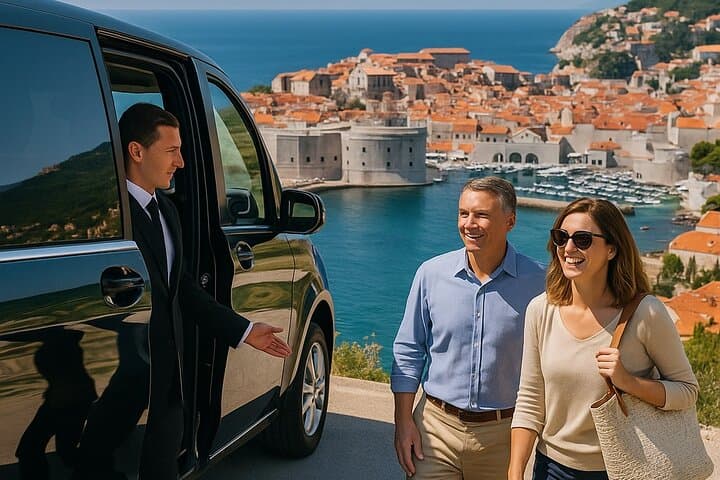
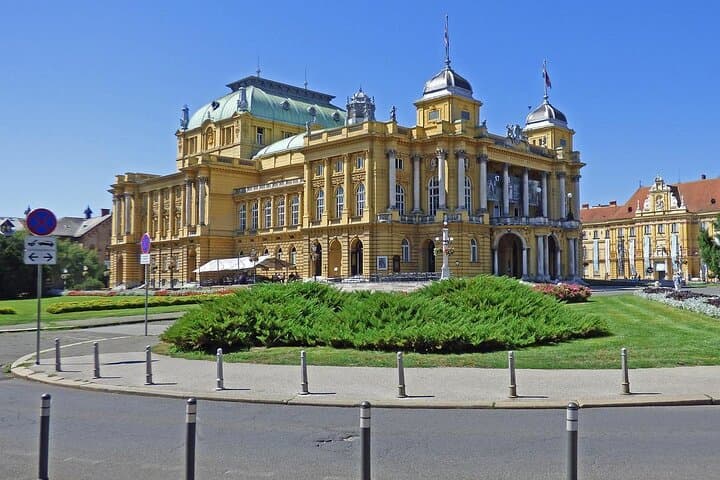
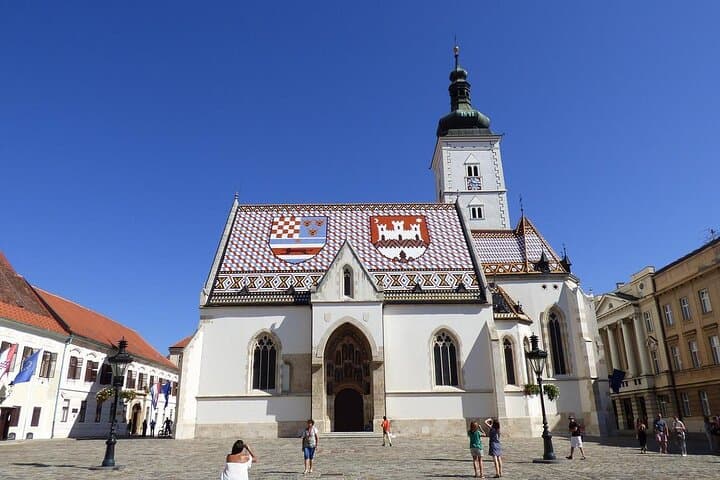
The highway peels away from Zagreb’s flat, quilted plain and climbs into limestone country where the road and the sea compete to hold your attention. Windows frame terraces of olive trees, jagged karst ridges, and the Adriatic’s slate-blue glitter as the driver navigates toll plazas and coastal ramps. Midway through that ribbon of asphalt you’ll step out in Split: the Riva’s palm-lined promenade and the ancient stones of Diocletian’s Palace press a Mediterranean welcome against the sky—two hours is short, but enough to feel the place alive.
The highway peels away from Zagreb’s flat, quilted plain and climbs into limestone country where the road and the sea compete to hold your attention. Windows frame terraces of olive trees, jagged karst ridges, and the Adriatic’s slate-blue glitter as the driver navigates toll plazas and coastal ramps. Midway through that ribbon of asphalt you’ll step out in Split: the Riva’s palm-lined promenade and the ancient stones of Diocletian’s Palace press a Mediterranean welcome against the sky—two hours is short, but enough to feel the place alive.
This private transfer traces a practical corridor through Croatia’s layered geography and history. The route—roughly 600 km (about 370 miles) when following the coastal road—threads the Dinaric karst and the Adriatic littoral. Split itself is a living Roman ruin; its palace walls evolved into a medieval city and now host cafés, shops, and centuries of human motion. Further south the road hugs coves and climbs passes where shepherds once moved flocks across the same limestone shelves that now carry modern vehicles toward Dubrovnik’s fortressed coastline.
Culturally, the trip is a cross-section of Croatian life: Zagreb’s Austro-Hungarian formality gives way to Dalmatia’s sea-bred informality. Expect olive groves, stone villages, and eateries where seafood is daily catch. Your English-speaking driver doubles as a low-key guide—ready with restaurant tips or a quick orientation around Split’s highlights.
Practicalities matter here. The full transfer is listed at 540 minutes (9 hours), which includes a two-hour stop in Split; typical driving time without stops is closer to 6–7 hours, but traffic and seasonality can extend the journey. The service is private and door-to-door: pick up anywhere in Zagreb, drop you off anywhere in Dubrovnik. Modern air-conditioned MPVs, tolls, fuel, and taxes are included; infant seats are available and the route is stroller-accessible.
Timing and packing notes: if you want sunlit photos in Split, aim for a morning departure from Zagreb. Bring layers—the coast warms fast, but early and late drives across the karst can be breezy. Carry water and snacks for the road, and keep identification handy for hotel pickups or port calls. If you’d like a longer exploration in Split, communicate that before booking; the operator can often adapt stop length within reason.
For travelers who prize efficiency without sacrificing a taste of place, this transfer delivers a controlled, scenic crossing of Croatia: a functional road trip that still leaves space for a salted-air stroll through Roman streets and a quick plate of grilled fish before the road calls you south again.