THE ADVENTURE COLLECTIVE® · Independent discovery and booking for outdoor travel

Drive through pine forests, stand on volcanic plateaus beneath Spain’s highest peak and finish with a five‑course menu that foregrounds local products. This private day tour pairs Teide’s raw geology with the cultivated flavors of the Orotava Valley.
Drive through pine forests, stand on volcanic plateaus beneath Spain’s highest peak and finish with a five‑course menu that foregrounds local products. This private day tour pairs Teide’s raw geology with the cultivated flavors of the Orotava Valley.
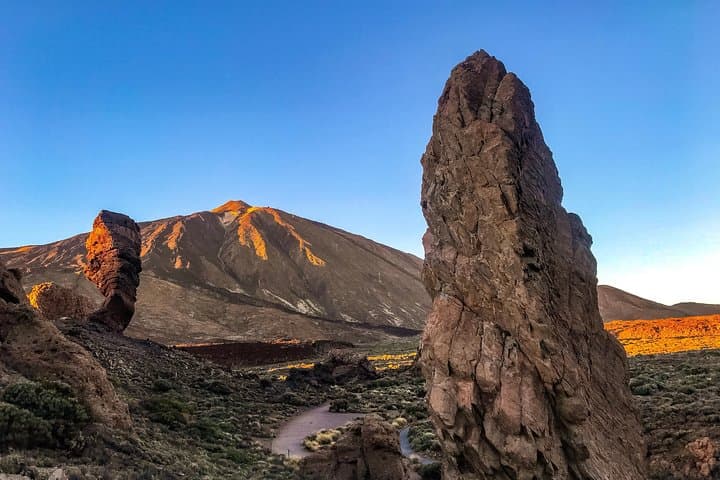
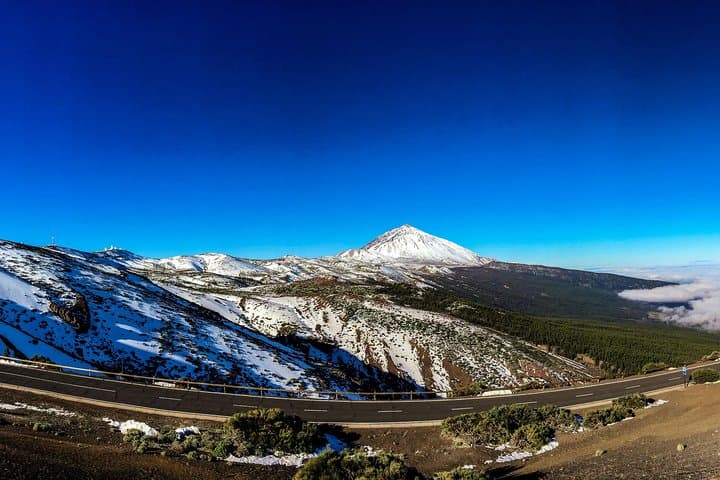
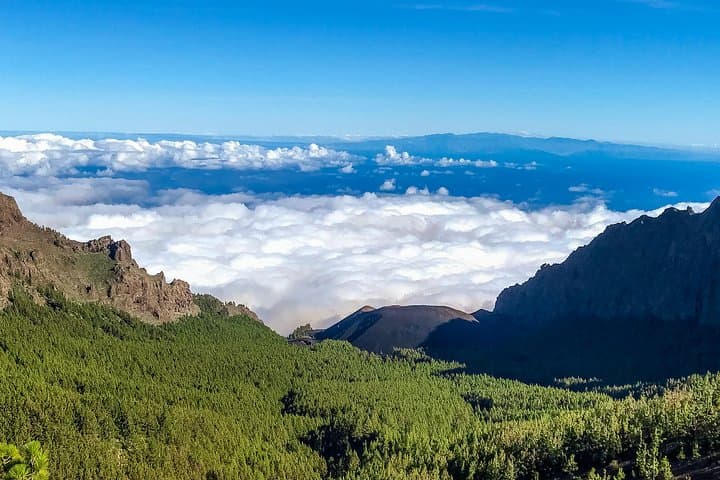
You step out of a quiet electric Mercedes just as high sun begins to slice across Canary pines. The morning air carries resin and salt, a sharp combination that tightens the senses as the road climbs from coastal villages into the Corona Forestal Nature Park. Pines lean like old travelers and the asphalt peels away to reveal black basalt shoulders and pockets of low, scrubby endemic plants. By mid‑day the land has reoriented: dunes of lava, wind‑sculpted cones, and the pale bowl of Las Cañadas opening to the stratovolcano that dominates Tenerife’s spine.
Verified experiences and guided adventures in the surrounding area.
Operated by Feel Tenerife · Puerto de la Cruz, Santa Cruz de Tenerife
You step out of a quiet electric Mercedes just as high sun begins to slice across Canary pines. The morning air carries resin and salt, a sharp combination that tightens the senses as the road climbs from coastal villages into the Corona Forestal Nature Park. Pines lean like old travelers and the asphalt peels away to reveal black basalt shoulders and pockets of low, scrubby endemic plants. By mid‑day the land has reoriented: dunes of lava, wind‑sculpted cones, and the pale bowl of Las Cañadas opening to the stratovolcano that dominates Tenerife’s spine.
Teide National Park is a readable landscape — every ridge and fissure marks volcanic episodes that built the island. Geologically, it’s a high island on a hot spot, with flows stacked across millennia and dikes that show themselves as harsh, vertical ribs. The summit of Teide, at roughly 3,715–3,718 metres, is the highest point in Spain; at that altitude the sky takes on a starker blue and the air thins until even a short climb feels purposeful.
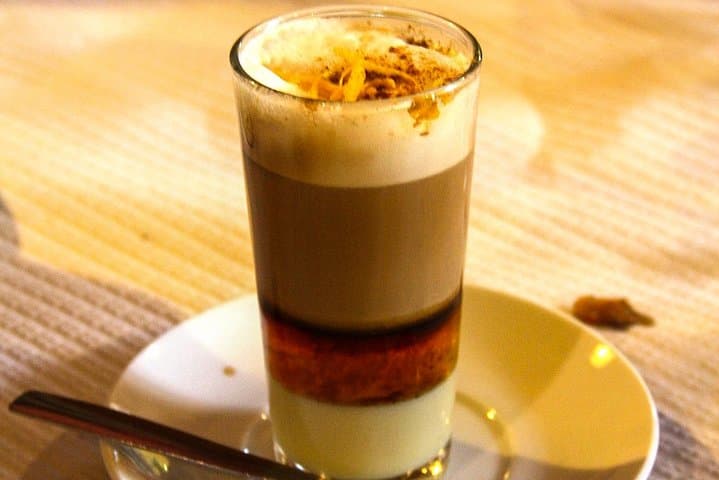
Culture threads through the route. In the Orotava Valley terraces, centuries of agricultural practice have carved slopes into stone levels where vines, potatoes and tropical fruits find microclimates. The valley’s towns preserve Canarian architecture — ornate wooden balconies and churches that date back to Spanish colonization. The meal that follows is an extension of that landscape: a five‑course tasting menu that emphasizes ingredients grown on these slopes, served in a traditional restaurant where dishes retain regional technique and flavor.
Practical guidance: this private, full‑day tour runs about 7–8 hours and includes pickup across Tenerife (both north and south) and a licensed guide. Transport is in a 100% electric Mercedes EQV, minimizing the trip’s carbon footprint.
Plan for layers, sun protection and time to acclimatize. Even if the itinerary is not technically demanding, the high altitude and loose volcanic scree demand steady shoes and measured pacing. Cruise passengers should confirm ship times at booking; the operator needs docking and boarding details.
Tips for timing: start early for clearer light and cooler temperatures; late‑afternoon descents often arrive into softer air and warmer coastal evenings. Respect park rules — the high‑altitude flora is fragile, trails are marked for a reason, and weather can change fast.
For travelers who want Tenerife in one concentrated day: this balance of geological spectacle and local gastronomy makes for an efficient, sensory‑rich introduction to the island.
moderate.
7–8 hours.
Suitable for most active travelers who can walk short distances on uneven volcanic terrain and tolerate high altitude.
The tour lasts about 7–8 hours (420–480 minutes), including stops in Teide National Park and a one‑hour traditional lunch.
Walking is light to moderate — expect short walks to viewpoints and across volcanic terrain; no technical hiking is required.
The tour visits Teide National Park and viewpoints near the summit area; access to the summit peak requires a separate cable car ticket and permit for the crater rim.
Yes — a five‑course tasting menu at a traditional restaurant is included, with ingredients sourced from the surrounding valleys.
Yes, but cruise passengers must provide ship name and docking times at booking and confirm pickup logistics.
The tour is family‑friendly for most ages, but it is not recommended for travelers with serious cardiovascular issues due to altitude.
The Orotava Valley has shaped Tenerife’s agricultural identity for centuries, with terraces and crops introduced during Spanish settlement; Guanche presence predates that and remains part of local heritage.
Teide is a UNESCO World Heritage Site; visitors should stick to trails and avoid trampling fragile endemic plants to protect this high‑altitude ecosystem.
Feel Tenerife operates guided outdoor trips and adventures with an emphasis on safety, stewardship, and memorable experiences.
You step out of a quiet electric Mercedes just as high sun begins to slice across Canary pines. The morning air carries resin and salt, a sharp combination that tightens the senses as the road climbs from coastal villages into the Corona Forestal Nature Park. Pines lean like old travelers and the asphalt peels away to reveal black basalt shoulders and pockets of low, scrubby endemic plants. By mid‑day the land has reoriented: dunes of lava, wind‑sculpted cones, and the pale bowl of Las Cañadas opening to the stratovolcano that dominates Tenerife’s spine.
You step out of a quiet electric Mercedes just as high sun begins to slice across Canary pines. The morning air carries resin and salt, a sharp combination that tightens the senses as the road climbs from coastal villages into the Corona Forestal Nature Park. Pines lean like old travelers and the asphalt peels away to reveal black basalt shoulders and pockets of low, scrubby endemic plants. By mid‑day the land has reoriented: dunes of lava, wind‑sculpted cones, and the pale bowl of Las Cañadas opening to the stratovolcano that dominates Tenerife’s spine.
Teide National Park is a readable landscape — every ridge and fissure marks volcanic episodes that built the island. Geologically, it’s a high island on a hot spot, with flows stacked across millennia and dikes that show themselves as harsh, vertical ribs. The summit of Teide, at roughly 3,715–3,718 metres, is the highest point in Spain; at that altitude the sky takes on a starker blue and the air thins until even a short climb feels purposeful.
Culture threads through the route. In the Orotava Valley terraces, centuries of agricultural practice have carved slopes into stone levels where vines, potatoes and tropical fruits find microclimates. The valley’s towns preserve Canarian architecture — ornate wooden balconies and churches that date back to Spanish colonization. The meal that follows is an extension of that landscape: a five‑course tasting menu that emphasizes ingredients grown on these slopes, served in a traditional restaurant where dishes retain regional technique and flavor.
Practical guidance: this private, full‑day tour runs about 7–8 hours and includes pickup across Tenerife (both north and south) and a licensed guide. Transport is in a 100% electric Mercedes EQV, minimizing the trip’s carbon footprint.
Plan for layers, sun protection and time to acclimatize. Even if the itinerary is not technically demanding, the high altitude and loose volcanic scree demand steady shoes and measured pacing. Cruise passengers should confirm ship times at booking; the operator needs docking and boarding details.
Tips for timing: start early for clearer light and cooler temperatures; late‑afternoon descents often arrive into softer air and warmer coastal evenings. Respect park rules — the high‑altitude flora is fragile, trails are marked for a reason, and weather can change fast.
For travelers who want Tenerife in one concentrated day: this balance of geological spectacle and local gastronomy makes for an efficient, sensory‑rich introduction to the island.