THE ADVENTURE COLLECTIVE® · Independent discovery and booking for outdoor travel

Get a focused, private introduction to Argentine tango in Buenos Aires. In one hour you’ll learn core steps, musical timing and social dance etiquette in a studio setting.
Get a focused, private introduction to Argentine tango in Buenos Aires. In one hour you’ll learn core steps, musical timing and social dance etiquette in a studio setting.
You step into a warm studio as the bandoneón breathes behind the instructor; the wooden floor takes the weight of your first close embrace and the city hum slips away. In an hour-long private tango lesson in Buenos Aires you feel the music’s pulse, the pause between steps, and the compact geography of movement that grew from the city’s neighborhoods.
Verified experiences and guided adventures in the surrounding area.
Operated by Tangol · Buenos Aires, Ciudad Autónoma de Buenos Aires
You step into a warm studio as the bandoneón breathes behind the instructor; the wooden floor takes the weight of your first close embrace and the city hum slips away. In an hour-long private tango lesson in Buenos Aires you feel the music’s pulse, the pause between steps, and the compact geography of movement that grew from the city’s neighborhoods.
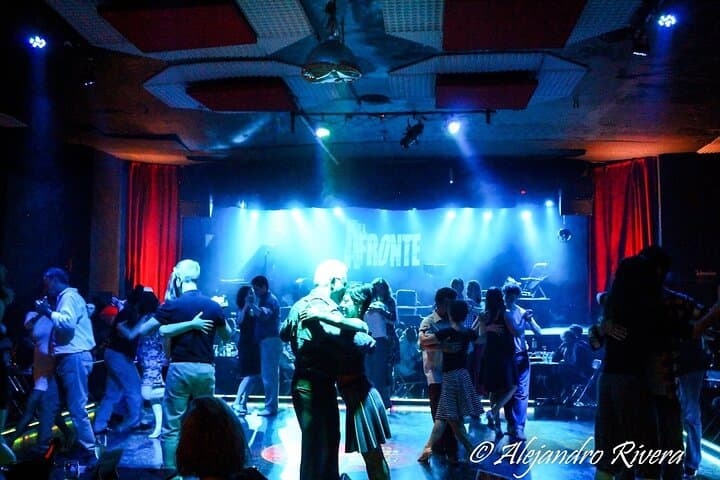
Tango emerged in the late 19th and early 20th centuries along the Rio de la Plata as European immigrants, Afro-Argentine communities and porteños mixed in port-side barrios. The music, lyrics and dance evolved in cafés and small halls, then spread into formal salons and milongas. Buenos Aires’ flat pampas and estuary climate shaped a city built for promenades and night gatherings — the places where tango found its rhythm.
Lessons are usually taught in small studios in San Telmo, Almagro or Palermo; instructors focus on connection, musicality and technique whether you’re a beginner or advancing. Expect hands-on corrections, practice of basic “caminar” (walking) and common figures, and contextual notes on posture and etiquette for social dancing.
Practicalities: wear comfortable, low-profile shoes with smooth soles, bring a bottle of water and arrive slightly early to warm up. Bookings are typically private and instant-confirmed; check cancellation rules and the minimum participant policy before paying. A single hour gives an efficient, immersive introduction — enough to feel the city’s tango heartbeat and to take your first confident steps onto the milonga floor.
easy.
60 minutes.
Suitable for most fitness levels; basic balance and mobility recommended
No—operators often accommodate single travelers by pairing them with another student or the instructor; check the booking policy about the minimum participant requirement.
No; beginners are welcome and instructors tailor lessons to your level, though experienced dancers can request advanced technique or musicality work.
Studios are commonly located in neighborhoods with strong tango traditions, like San Telmo, Almagro and Palermo, within easy reach of central Buenos Aires.
This particular operator lists all sales as final with no refunds; confirm policies and consider travel insurance for flexibility.
Tango was born in the late 19th–early 20th century in the Rio de la Plata region as port neighborhoods blended European, African and criollo influences into a new dance culture.
Support small studios and independent instructors to keep tango livelihoods local; be mindful of studio capacity and noise in residential buildings.
Tangol operates guided outdoor trips and adventures with an emphasis on safety, stewardship, and memorable experiences.
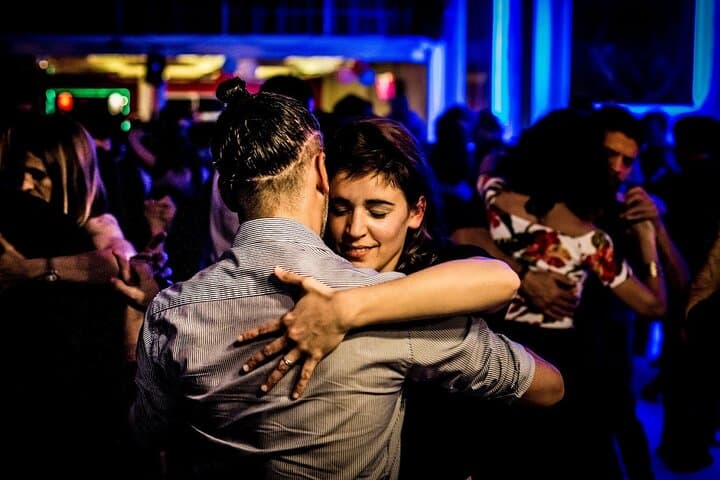
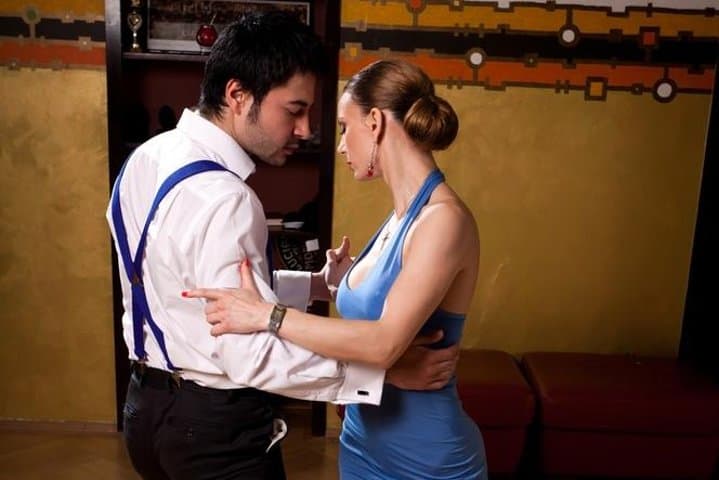
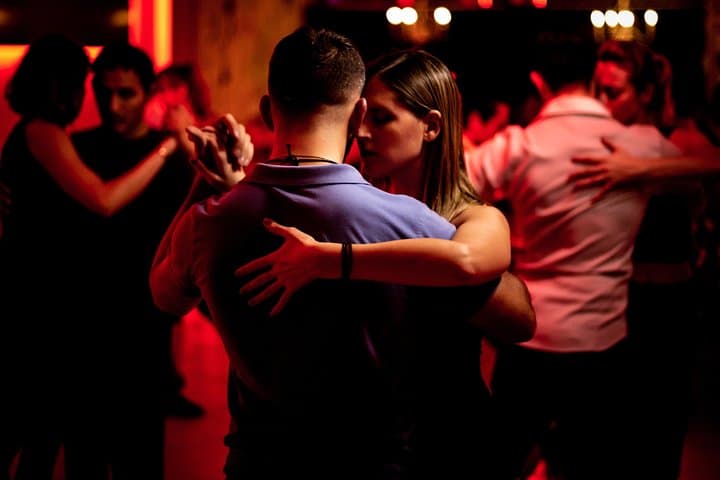
You step into a warm studio as the bandoneón breathes behind the instructor; the wooden floor takes the weight of your first close embrace and the city hum slips away. In an hour-long private tango lesson in Buenos Aires you feel the music’s pulse, the pause between steps, and the compact geography of movement that grew from the city’s neighborhoods.
You step into a warm studio as the bandoneón breathes behind the instructor; the wooden floor takes the weight of your first close embrace and the city hum slips away. In an hour-long private tango lesson in Buenos Aires you feel the music’s pulse, the pause between steps, and the compact geography of movement that grew from the city’s neighborhoods.
Tango emerged in the late 19th and early 20th centuries along the Rio de la Plata as European immigrants, Afro-Argentine communities and porteños mixed in port-side barrios. The music, lyrics and dance evolved in cafés and small halls, then spread into formal salons and milongas. Buenos Aires’ flat pampas and estuary climate shaped a city built for promenades and night gatherings — the places where tango found its rhythm.
Lessons are usually taught in small studios in San Telmo, Almagro or Palermo; instructors focus on connection, musicality and technique whether you’re a beginner or advancing. Expect hands-on corrections, practice of basic “caminar” (walking) and common figures, and contextual notes on posture and etiquette for social dancing.
Practicalities: wear comfortable, low-profile shoes with smooth soles, bring a bottle of water and arrive slightly early to warm up. Bookings are typically private and instant-confirmed; check cancellation rules and the minimum participant policy before paying. A single hour gives an efficient, immersive introduction — enough to feel the city’s tango heartbeat and to take your first confident steps onto the milonga floor.