THE ADVENTURE COLLECTIVE® · Independent discovery and booking for outdoor travel

Spend a day with a born-and-bred Bath guide who pairs an intimate walking tour of Bath’s Georgian streets with a private visit to Stonehenge. Private transport and admissions included make this a compact, hassle-free way to see two of southern England’s icons.
Spend a day with a born-and-bred Bath guide who pairs an intimate walking tour of Bath’s Georgian streets with a private visit to Stonehenge. Private transport and admissions included make this a compact, hassle-free way to see two of southern England’s icons.
You step out of an air-conditioned car and the city exhales: Georgian terraces, honey-colored stone catching the first light, and the faint hiss of the River Avon. Your guide — a native of Bath who has visited Stonehenge more than two hundred times — greets you with the kind of easy authority that turns streets into stories. The morning is spent on foot, moving from a high viewpoint that lays the city’s crescents and circuses before you, down to narrow lanes where Roman foundations still hum underfoot.
Verified experiences and guided adventures in the surrounding area.
Operated by Bath Insider Tours · Bath, Somerset
You step out of an air-conditioned car and the city exhales: Georgian terraces, honey-colored stone catching the first light, and the faint hiss of the River Avon. Your guide — a native of Bath who has visited Stonehenge more than two hundred times — greets you with the kind of easy authority that turns streets into stories. The morning is spent on foot, moving from a high viewpoint that lays the city’s crescents and circuses before you, down to narrow lanes where Roman foundations still hum underfoot.
Bath’s architecture is plain about its history: Pulteney Bridge’s shops straddle water like a living postcard; the Royal Crescent holds court across a graceful lawn; Bath Abbey’s façade keeps its medieval watch. Your guide ties these places together with practical context — how the hot springs shaped the city’s economy, why 18th-century builders favored Portland stone, and the Jane Austen connections that send literary pilgrims to the Jane Austen Centre.
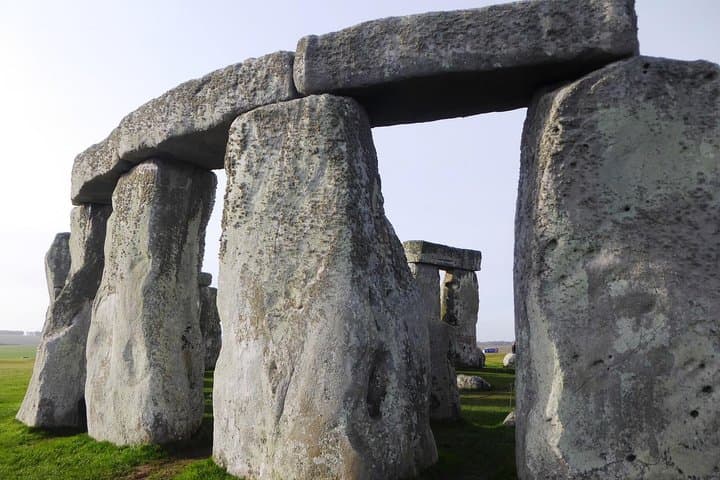
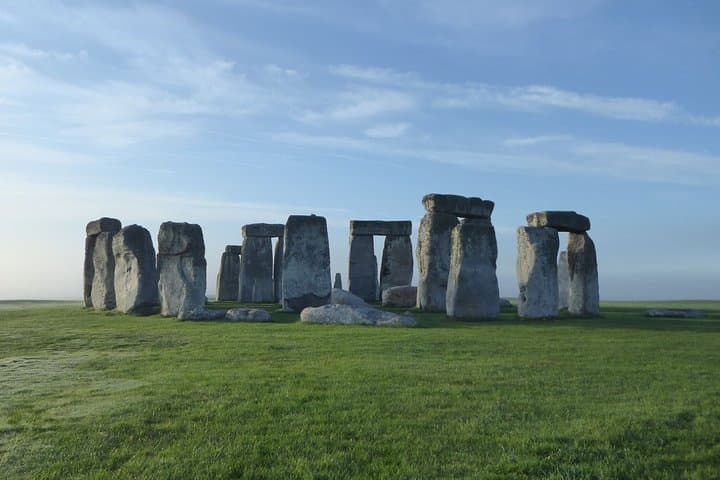
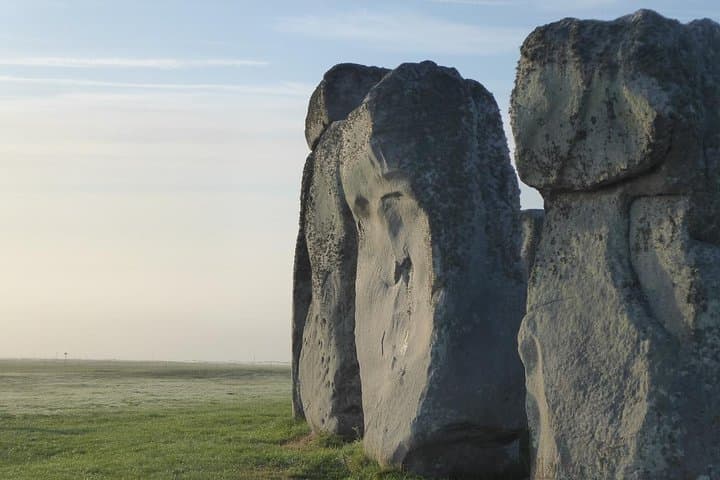
After a lunch break, the private car drives west across the rolling Somerset plain. The landscape thins and the conversation shifts to older things: Neolithic ritual, Bronze Age burials, and the geology that made the stones possible. Stonehenge arrives suddenly — a ring of sarsen and bluestone poised on turf, a place where alignments with solstices whisper of astronomical knowledge and community labor.
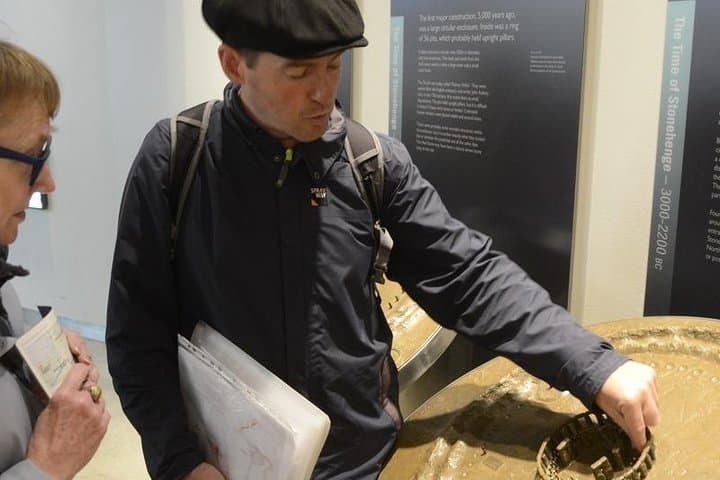
At Stonehenge your guide walks you round the visitor route and the close viewing area, unpacking the latest archaeological thinking: how bluestones traveled from Wales, how the monument evolved over centuries, and what excavations have revealed about burial rites and monument-making. There’s time for photos, and for breathing in the scale and silence that a congested city can’t deliver.
Practicalities: the full experience runs about eight hours total. Walking in Bath covers roughly 1.5–2 miles on paved streets; at Stonehenge you’ll traverse grassy paths and short uneven sections — nothing technical but wear sturdy shoes. Expect weather exposure at the stones and bring layers; the guide provides private transport and handles admissions, so all you need is comfortable footwear, a light daypack, and curiosity.
Why this private option? The day compressesBath’s layered city history and Stonehenge’s prehistoric mystery into a single, efficiently guided loop — ideal for travelers short on time who want depth over checklist sightseeing. Book morning departures for softer light and fewer crowds, and prepare to trade city chatter for a wider, older quiet as the tour moves from Georgian elegance to the earth-and-stone drama of Stonehenge.
easy.
8 hours.
Suitable for most fitness levels; expect 1.5–2 miles walking in the city plus short, easy walks at Stonehenge.
Yes — the tour price includes Stonehenge entrance fees and private transport between Bath and the site.
No — the walking tour points out the Roman Baths and explains their history, but indoor museum admission isn’t included to keep the day’s schedule manageable.
Yes — the tour can collect you from Bath Spa railway station; provide train times when booking to arrange pickup.
Yes — the tour is suitable for all ages; infants must sit on laps and small fold-up strollers can be accommodated in the car for groups under four.
There’s a lunch stop in Bath and restroom facilities at the visitor center near Stonehenge; bring snacks if you have dietary needs.
Photography of Stonehenge is allowed from the designated visitor route; touching the stones is not permitted to protect the monument.
Bath grew around its hot springs and became a fashionable Georgian spa in the 18th century; Stonehenge dates to the late Neolithic and Bronze Age, reflecting millennia of ritual landscape use.
Stonehenge faces visitor-pressure management and protection of archaeological deposits — stay on designated paths, follow guide instructions, and use visitor facilities to reduce impact.
Bath Insider Tours operates guided outdoor trips and adventures with an emphasis on safety, stewardship, and memorable experiences.
You step out of an air-conditioned car and the city exhales: Georgian terraces, honey-colored stone catching the first light, and the faint hiss of the River Avon. Your guide — a native of Bath who has visited Stonehenge more than two hundred times — greets you with the kind of easy authority that turns streets into stories. The morning is spent on foot, moving from a high viewpoint that lays the city’s crescents and circuses before you, down to narrow lanes where Roman foundations still hum underfoot.
You step out of an air-conditioned car and the city exhales: Georgian terraces, honey-colored stone catching the first light, and the faint hiss of the River Avon. Your guide — a native of Bath who has visited Stonehenge more than two hundred times — greets you with the kind of easy authority that turns streets into stories. The morning is spent on foot, moving from a high viewpoint that lays the city’s crescents and circuses before you, down to narrow lanes where Roman foundations still hum underfoot.
Bath’s architecture is plain about its history: Pulteney Bridge’s shops straddle water like a living postcard; the Royal Crescent holds court across a graceful lawn; Bath Abbey’s façade keeps its medieval watch. Your guide ties these places together with practical context — how the hot springs shaped the city’s economy, why 18th-century builders favored Portland stone, and the Jane Austen connections that send literary pilgrims to the Jane Austen Centre.
After a lunch break, the private car drives west across the rolling Somerset plain. The landscape thins and the conversation shifts to older things: Neolithic ritual, Bronze Age burials, and the geology that made the stones possible. Stonehenge arrives suddenly — a ring of sarsen and bluestone poised on turf, a place where alignments with solstices whisper of astronomical knowledge and community labor.
At Stonehenge your guide walks you round the visitor route and the close viewing area, unpacking the latest archaeological thinking: how bluestones traveled from Wales, how the monument evolved over centuries, and what excavations have revealed about burial rites and monument-making. There’s time for photos, and for breathing in the scale and silence that a congested city can’t deliver.
Practicalities: the full experience runs about eight hours total. Walking in Bath covers roughly 1.5–2 miles on paved streets; at Stonehenge you’ll traverse grassy paths and short uneven sections — nothing technical but wear sturdy shoes. Expect weather exposure at the stones and bring layers; the guide provides private transport and handles admissions, so all you need is comfortable footwear, a light daypack, and curiosity.
Why this private option? The day compressesBath’s layered city history and Stonehenge’s prehistoric mystery into a single, efficiently guided loop — ideal for travelers short on time who want depth over checklist sightseeing. Book morning departures for softer light and fewer crowds, and prepare to trade city chatter for a wider, older quiet as the tour moves from Georgian elegance to the earth-and-stone drama of Stonehenge.