THE ADVENTURE COLLECTIVE® · Independent discovery and booking for outdoor travel

Sharpen technique or build basics with a three-hour private lesson in Verbier. Learn what to expect—terrain, instruction flow and practical tips to get on-snow fast.
Sharpen technique or build basics with a three-hour private lesson in Verbier. Learn what to expect—terrain, instruction flow and practical tips to get on-snow fast.
The first chair lifts click you into motion as pale morning light slices across groomed corduroy—Verbier’s slopes unspool above the village like a promise. At 1,500 m the resort sits on a sun-facing shoulder of the Pennine Alps; in three hours a focused instructor can move a beginner from confident snowplow to linked turns or hone an intermediate’s carving on quieter blues and reds.
Verified experiences and guided adventures in the surrounding area.
Operated by PDS Snowsport · Verbier, Valais
The first chair lifts click you into motion as pale morning light slices across groomed corduroy—Verbier’s slopes unspool above the village like a promise. At 1,500 m the resort sits on a sun-facing shoulder of the Pennine Alps; in three hours a focused instructor can move a beginner from confident snowplow to linked turns or hone an intermediate’s carving on quieter blues and reds.
This pocket of the Four Valleys has a layered history: alpine pastures gave way to lift infrastructure in the mid-20th century, and the terrain still shows glacial sculpting—steep bowls, wind-scoured ridges and broad faces beneath Mont Fort (3,330 m). The local culture is French-speaking Valais: timber chalets, compact village services, and an ingrained ski ethos that prizes technique and safety.
Expect a lesson to begin with equipment and stance checks, a targeted warm-up and short drills before graded terrain time. Instructors tailor progressions to age and goals—children, adults and mixed groups are common—and will advise on lift etiquette, avalanche awareness for off-piste interest, and efficient line choices.
Practical notes: arrive 20–30 minutes early for booting and lift tickets; helmet use is strongly recommended; rental shops and public transport link Le Châble and Verbier. Weather can close higher terrain—book lessons when visibility and grooming are best. Bring layered insulation, sun protection and water; three hours of focused coaching in Verbier delivers measurable improvement and the confidence to explore more of the Four Valleys.
moderate.
3 hours.
Suitable for most fitness levels; should be comfortable standing, walking in boots and doing short aerobic efforts. Advanced runs need stronger leg endurance.
No—private lessons are designed for all levels from first-timers to experienced skiers seeking targeted drills.
Lift passes are typically not included; you’ll need a valid Four Valleys or Verbier day lift ticket for the instructor to access the slopes with you.
Instructors can advise and guide off-piste only if they are certified for mountain guiding and conditions are safe; ask ahead and expect additional fees and safety gear requirements.
Policies vary by operator; many require 24-hour notice for a full refund and may cancel lessons in bad weather for safety reasons.
Verbier evolved from shepherding hamlets to a major ski hub after lift construction in the mid-20th century; it’s now a core sector of the Four Valleys network.
Respect closed slopes and avalanche cordons; stay on marked runs to limit erosion and support local initiatives that protect high-alpine flora and reduce lift-area impacts.
PDS Snowsport operates guided outdoor trips and adventures with an emphasis on safety, stewardship, and memorable experiences.
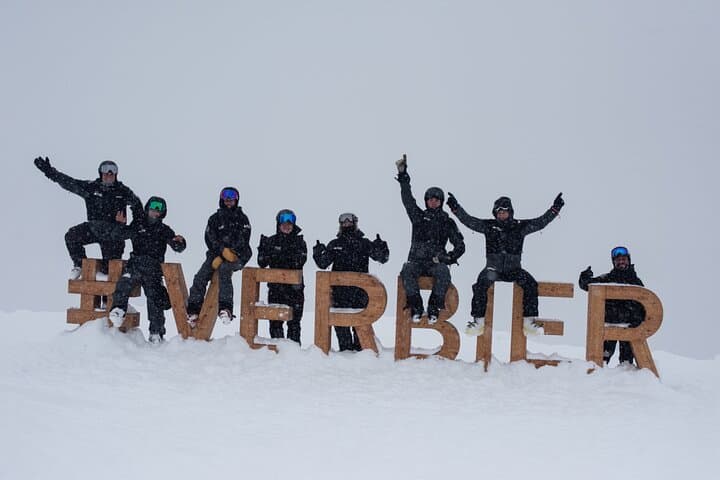
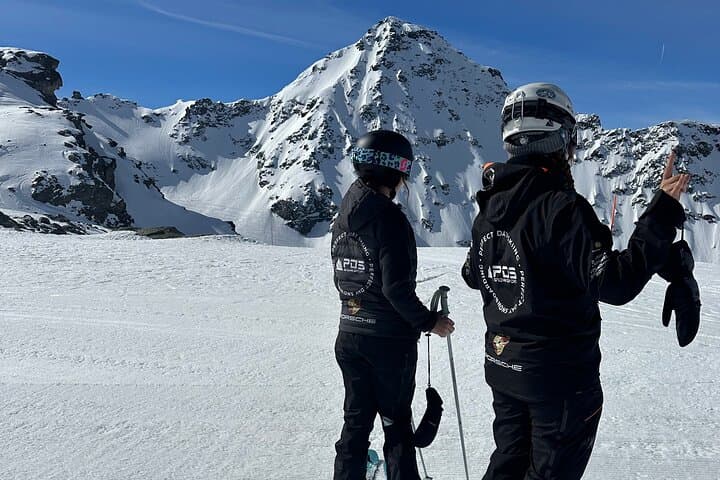
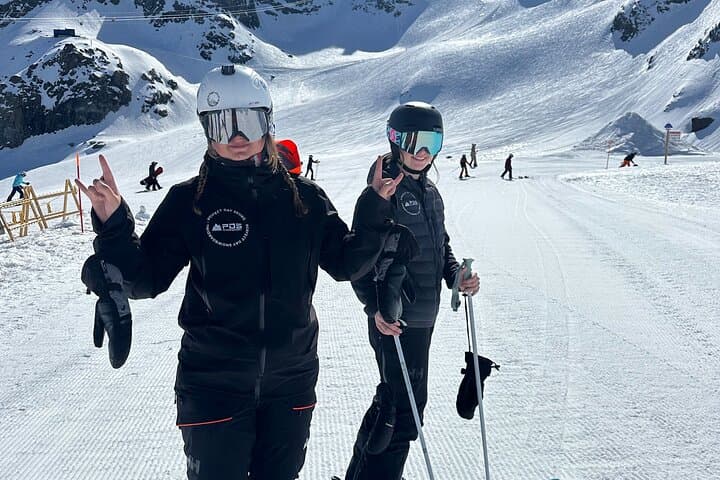
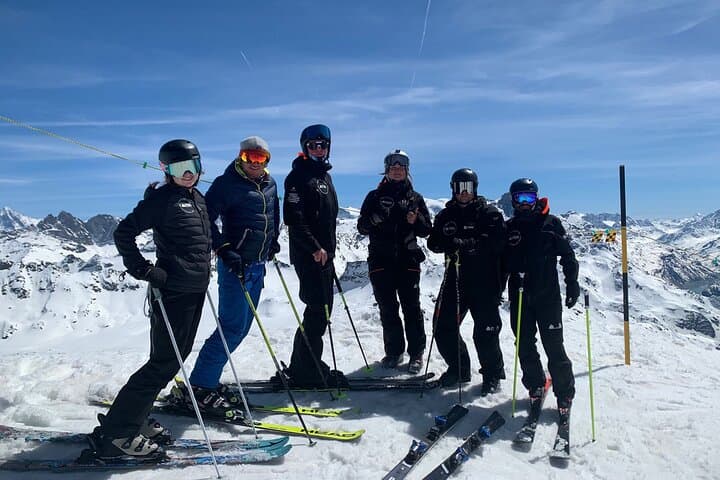
The first chair lifts click you into motion as pale morning light slices across groomed corduroy—Verbier’s slopes unspool above the village like a promise. At 1,500 m the resort sits on a sun-facing shoulder of the Pennine Alps; in three hours a focused instructor can move a beginner from confident snowplow to linked turns or hone an intermediate’s carving on quieter blues and reds.
The first chair lifts click you into motion as pale morning light slices across groomed corduroy—Verbier’s slopes unspool above the village like a promise. At 1,500 m the resort sits on a sun-facing shoulder of the Pennine Alps; in three hours a focused instructor can move a beginner from confident snowplow to linked turns or hone an intermediate’s carving on quieter blues and reds.
This pocket of the Four Valleys has a layered history: alpine pastures gave way to lift infrastructure in the mid-20th century, and the terrain still shows glacial sculpting—steep bowls, wind-scoured ridges and broad faces beneath Mont Fort (3,330 m). The local culture is French-speaking Valais: timber chalets, compact village services, and an ingrained ski ethos that prizes technique and safety.
Expect a lesson to begin with equipment and stance checks, a targeted warm-up and short drills before graded terrain time. Instructors tailor progressions to age and goals—children, adults and mixed groups are common—and will advise on lift etiquette, avalanche awareness for off-piste interest, and efficient line choices.
Practical notes: arrive 20–30 minutes early for booting and lift tickets; helmet use is strongly recommended; rental shops and public transport link Le Châble and Verbier. Weather can close higher terrain—book lessons when visibility and grooming are best. Bring layered insulation, sun protection and water; three hours of focused coaching in Verbier delivers measurable improvement and the confidence to explore more of the Four Valleys.