THE ADVENTURE COLLECTIVE® · Independent discovery and booking for outdoor travel

Spend a private half- to full-day moving from palace splendor to Atlantic cliffs. This guided car tour stitches Queluz, Pena Palace, Boca do Inferno and Cascais into a comfortably paced exploration with local insight and easy logistics.
Spend a private half- to full-day moving from palace splendor to Atlantic cliffs. This guided car tour stitches Queluz, Pena Palace, Boca do Inferno and Cascais into a comfortably paced exploration with local insight and easy logistics.
You leave Lisbon before the city fully wakes: the Tagus shrinking in the rearview as tile-roofed suburbs blur into tree-streaked hills. The driver eases the car into the wide courtyard of Queluz Palace, and suddenly the morning feels curated—marble, clipped hedges, statues catching the light. That quiet, ceremonial opening sets the tempo for a day that moves from royal rooms to cliff-side confrontation with the Atlantic.
Verified experiences and guided adventures in the surrounding area.
Operated by Romario Travel · Sintra, Lisbon
You leave Lisbon before the city fully wakes: the Tagus shrinking in the rearview as tile-roofed suburbs blur into tree-streaked hills. The driver eases the car into the wide courtyard of Queluz Palace, and suddenly the morning feels curated—marble, clipped hedges, statues catching the light. That quiet, ceremonial opening sets the tempo for a day that moves from royal rooms to cliff-side confrontation with the Atlantic.
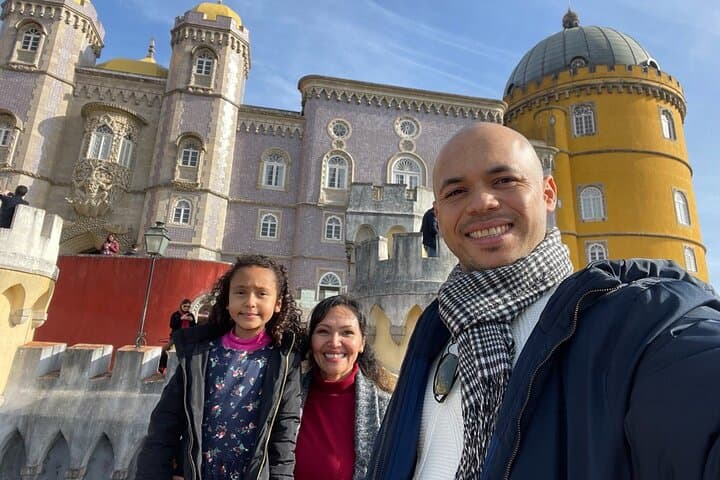
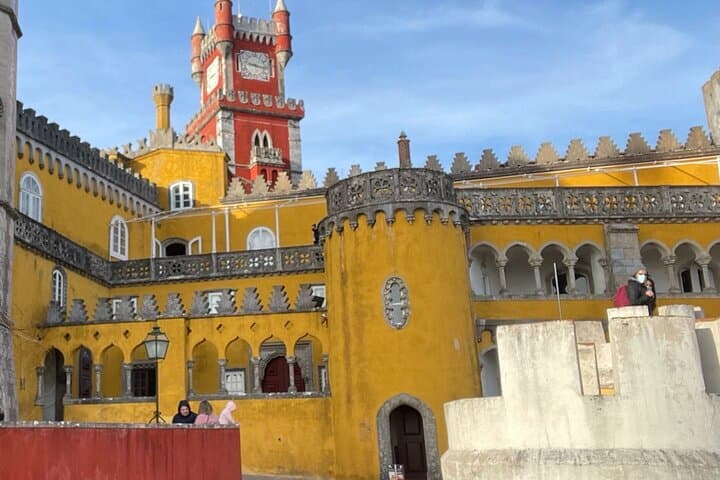
Sintra sits on an ancient granite outcrop that commands its own microclimate. The hilltops keep a shawl of fog some mornings and, beneath the forests, pines and eucalyptus scent the air. By the time you crest the ridge to Pena Palace, the castle’s paint—blushing yellows and deep reds—pops against dense green. The palace perches at roughly 450–500 meters above sea level, a 19th-century royal fantasy that grafted Gothic, Moorish and Renaissance motifs into one theatrical silhouette. Your guide will point out the Romantic-era tastes that shaped it: an idea of Portugal meant to impress visiting monarchs and assert a national identity after Napoleonic turbulence.
Descending from the hills, the landscape changes fast. Granite gives way to the limestone terraces and erosive drama of the western Estoril coast. Boca do Inferno earns its name with good reason: Atlantic swells push into creviced rock, carving a sea cave that roars and sprays like an animal testing its limits. The cliff’s geology tells a simple story of repetition—wave after wave, fault and fracture turned into spectacle.
Cascais finishes the day on calmer terms. Narrow streets open onto an easy harbor; tiled facades host cafes where fishermen still swap news. You’ll stop for a recommended lunch—fresh fish, a glass of vinho verde—and the guide’s local suggestions will make it feel like more than a tourist pause.
Practical edge: expect 4–6 hours behind a private vehicle, with multiple short walks on uneven cobbles and wooded trails. The tour includes private transport, a friendly guide, admission where indicated, and complimentary photos. Schedule mornings for Pena to avoid crowds and late afternoon for softer light at Boca do Inferno. Wear sturdy shoes for slippery stone and bring a windproof layer for the coast; the Atlantic will remind you it owns the last word.
Why take this private option? You gain pacing, context, and a guide who can tailor stops—more time in a palace chapel or an extra coastal viewpoint—while handling logistics. It’s a concentrated window into two very different faces of the Lisbon region: royal theater and the ocean’s blunt, geological choreography.
moderate.
4–6 hours.
Moderate fitness for short hikes, stairs, and standing on uneven terrain; comfortable walking required
The tour runs approximately 4–6 hours depending on traffic and the time you spend at each stop.
Admissions are included where indicated in the itinerary; confirm at booking or with your guide the specific ticket inclusions.
Pick-up and drop-off are at the stated Lisbon meeting point; the same location is used for both unless arranged otherwise.
Yes—infants and small children can use strollers, but expect stairs and uneven paths at several sites.
Yes—the guide will suggest traditional restaurants in Cascais and can recommend dishes based on dietary needs.
The tour may be canceled for a full refund if weather or insufficient travelers affect safety; bring layers and waterproofs if conditions are uncertain.
Sintra has been a place of power since Moorish and medieval times; Pena Palace itself is a 19th-century Romantic reinvention of older fortifications commissioned to celebrate Portuguese monarchy and identity.
Sintra-Cascais Natural Park balances tourism with protection; stay on marked paths, avoid feeding wildlife, and use refillable bottles to reduce plastic waste.
Romario Travel operates guided outdoor trips and adventures with an emphasis on safety, stewardship, and memorable experiences.
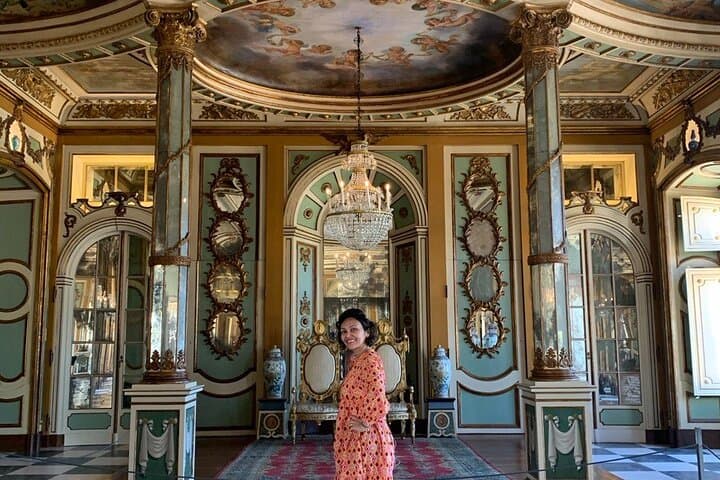
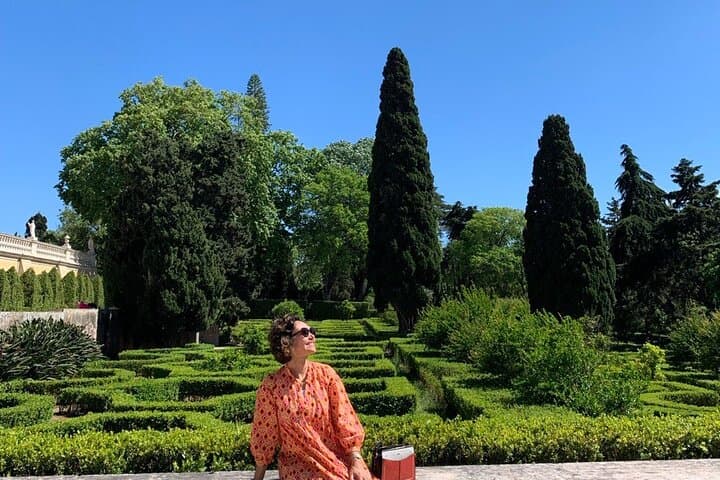
You leave Lisbon before the city fully wakes: the Tagus shrinking in the rearview as tile-roofed suburbs blur into tree-streaked hills. The driver eases the car into the wide courtyard of Queluz Palace, and suddenly the morning feels curated—marble, clipped hedges, statues catching the light. That quiet, ceremonial opening sets the tempo for a day that moves from royal rooms to cliff-side confrontation with the Atlantic.
You leave Lisbon before the city fully wakes: the Tagus shrinking in the rearview as tile-roofed suburbs blur into tree-streaked hills. The driver eases the car into the wide courtyard of Queluz Palace, and suddenly the morning feels curated—marble, clipped hedges, statues catching the light. That quiet, ceremonial opening sets the tempo for a day that moves from royal rooms to cliff-side confrontation with the Atlantic.
Sintra sits on an ancient granite outcrop that commands its own microclimate. The hilltops keep a shawl of fog some mornings and, beneath the forests, pines and eucalyptus scent the air. By the time you crest the ridge to Pena Palace, the castle’s paint—blushing yellows and deep reds—pops against dense green. The palace perches at roughly 450–500 meters above sea level, a 19th-century royal fantasy that grafted Gothic, Moorish and Renaissance motifs into one theatrical silhouette. Your guide will point out the Romantic-era tastes that shaped it: an idea of Portugal meant to impress visiting monarchs and assert a national identity after Napoleonic turbulence.
Descending from the hills, the landscape changes fast. Granite gives way to the limestone terraces and erosive drama of the western Estoril coast. Boca do Inferno earns its name with good reason: Atlantic swells push into creviced rock, carving a sea cave that roars and sprays like an animal testing its limits. The cliff’s geology tells a simple story of repetition—wave after wave, fault and fracture turned into spectacle.
Cascais finishes the day on calmer terms. Narrow streets open onto an easy harbor; tiled facades host cafes where fishermen still swap news. You’ll stop for a recommended lunch—fresh fish, a glass of vinho verde—and the guide’s local suggestions will make it feel like more than a tourist pause.
Practical edge: expect 4–6 hours behind a private vehicle, with multiple short walks on uneven cobbles and wooded trails. The tour includes private transport, a friendly guide, admission where indicated, and complimentary photos. Schedule mornings for Pena to avoid crowds and late afternoon for softer light at Boca do Inferno. Wear sturdy shoes for slippery stone and bring a windproof layer for the coast; the Atlantic will remind you it owns the last word.
Why take this private option? You gain pacing, context, and a guide who can tailor stops—more time in a palace chapel or an extra coastal viewpoint—while handling logistics. It’s a concentrated window into two very different faces of the Lisbon region: royal theater and the ocean’s blunt, geological choreography.