THE ADVENTURE COLLECTIVE® · Independent discovery and booking for outdoor travel

Spend a day where rivers run loud and lakes change color. This private tour pairs the mill-lined village of Rastoke with a guided walk through Plitvice’s cascading lakes, plus local cheese and traditional peka—perfect for travelers seeking nature, culture, and practical comfort.
Spend a day where rivers run loud and lakes change color. This private tour pairs the mill-lined village of Rastoke with a guided walk through Plitvice’s cascading lakes, plus local cheese and traditional peka—perfect for travelers seeking nature, culture, and practical comfort.
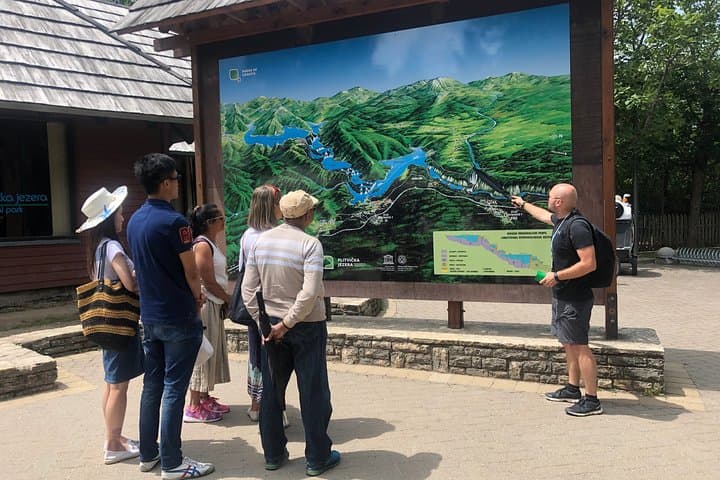
You step out of the vehicle and the first thing you hear is water—urgent, layered, insistently present. In Rastoke the Slunjčica River cuts through old stone houses, turning wooden watermills that once ground grain into living postcards. Your guide leans in, pointing to a wheel turning and the moss that claims the riverbank, while the town’s low roofs and rushing channels set the rhythm for the day.
Verified experiences and guided adventures in the surrounding area.
Operated by Bespoke Croatia Tours & DMC · Plitvička Jezera, Lika-Senj County
You step out of the vehicle and the first thing you hear is water—urgent, layered, insistently present. In Rastoke the Slunjčica River cuts through old stone houses, turning wooden watermills that once ground grain into living postcards. Your guide leans in, pointing to a wheel turning and the moss that claims the riverbank, while the town’s low roofs and rushing channels set the rhythm for the day.
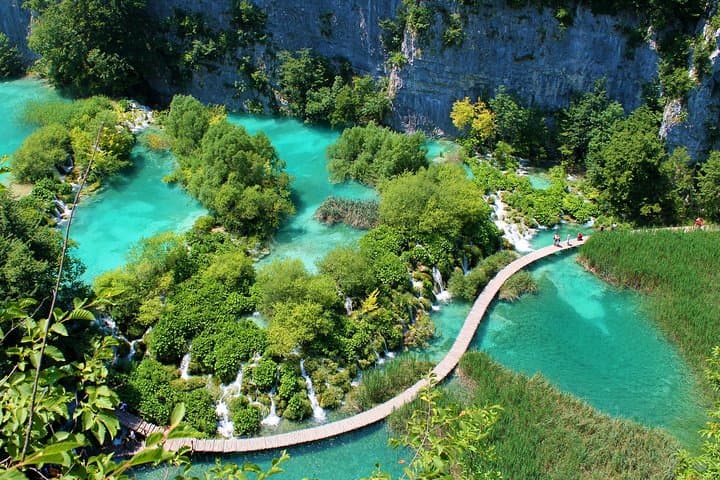
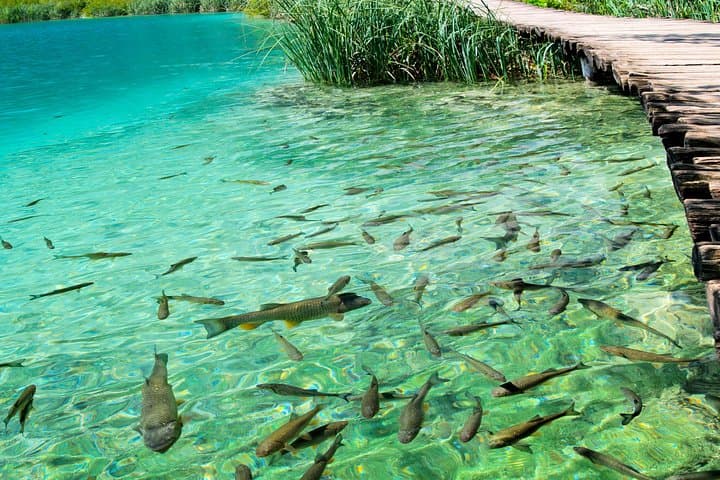
A short drive later, the landscape opens into Plitvice Lakes National Park, where travertine dams have been building and reworking themselves for millennia. The park’s sixteen lakes form terraces of jade and aquamarine; waterfalls thread between them, daring you closer to the boardwalks. The geology is readable here—karst limestone dissolves, minerals precipitate, and the park’s porous floor knits new cascades season by season. Bring your curiosity for both natural processes and the local culture: along the way you’ll stop at a family farm to taste award-winning cheeses and learn about peka—meat and vegetables slow-cooked under a cast-iron bell.
History brushes against the scenery. Rastoke grew as a milling community where waterways powered livelihoods; Karlovac, passed on the drive, was a Habsburg-era fortress city guarding the routes between the interior and the Adriatic. Today, small-scale farming and eco-tourism sustain the region, and guides often double as interpreters of the landscape—pointing out how human hands have adjusted to the karst environment rather than erased it.
Practically, expect a full day. The tour runs roughly 10–12 hours door-to-door from Zagreb and includes guided walks across upper and lower lakes, a short panoramic bus and a short boat crossing inside the park. Walking distance in the park is approximately 6–10 km depending on the route you choose, with an elevation change under 200 m; paths are mostly wooden boardwalks and compact dirt, but some stair sections are uneven.
Timing matters. If you want softer light and fewer people, ask your guide to aim for morning visits at the most popular viewpoints or linger near the lower lakes at late afternoon when color deepens. Wear supportive, grippy footwear and a light rain shell—travertine spray can make boardwalks slick and weather shifts quickly in the karst. Hydrate and carry snacks; the day’s included picnic tasting is generous, but you’ll move more than you might expect.
This is a tour built for people who like to see with intent—history, geology, and food threaded into a single, water-forward day.
moderate.
10–12 hours.
Moderate—comfortable walking for several hours with some stairs; suitable for most active travelers.
The drive to Plitvice from central Zagreb is about 2–2.5 hours one way, depending on traffic and stops.
This private tour includes park guidance but not the official park entrance fees—confirm at booking or bring cash/card for entry.
Yes—routes can be adjusted for pace and mobility, though some stair sections exist; notify the operator of special needs.
A picnic charcuterie brunch with homemade local products and a family cheese tasting are included; options can accommodate common dietary needs with advance notice.
Yes—guides typically adjust pace and focus (upper vs lower lakes) based on your preference and crowd conditions.
Swimming is not permitted within the national park to protect the fragile travertine ecosystems.
Rastoke developed as a milling settlement where fast streams powered grain processing; the wider region has been a crossroads between inland and Adriatic cultures for centuries.
Plitvice’s travertine systems are sensitive to pollution and foot traffic—stay on designated paths and avoid single-use plastics to help protect the pools.
Bespoke Croatia Tours & DMC operates guided outdoor trips and adventures with an emphasis on safety, stewardship, and memorable experiences.
You step out of the vehicle and the first thing you hear is water—urgent, layered, insistently present. In Rastoke the Slunjčica River cuts through old stone houses, turning wooden watermills that once ground grain into living postcards. Your guide leans in, pointing to a wheel turning and the moss that claims the riverbank, while the town’s low roofs and rushing channels set the rhythm for the day.
You step out of the vehicle and the first thing you hear is water—urgent, layered, insistently present. In Rastoke the Slunjčica River cuts through old stone houses, turning wooden watermills that once ground grain into living postcards. Your guide leans in, pointing to a wheel turning and the moss that claims the riverbank, while the town’s low roofs and rushing channels set the rhythm for the day.
A short drive later, the landscape opens into Plitvice Lakes National Park, where travertine dams have been building and reworking themselves for millennia. The park’s sixteen lakes form terraces of jade and aquamarine; waterfalls thread between them, daring you closer to the boardwalks. The geology is readable here—karst limestone dissolves, minerals precipitate, and the park’s porous floor knits new cascades season by season. Bring your curiosity for both natural processes and the local culture: along the way you’ll stop at a family farm to taste award-winning cheeses and learn about peka—meat and vegetables slow-cooked under a cast-iron bell.
History brushes against the scenery. Rastoke grew as a milling community where waterways powered livelihoods; Karlovac, passed on the drive, was a Habsburg-era fortress city guarding the routes between the interior and the Adriatic. Today, small-scale farming and eco-tourism sustain the region, and guides often double as interpreters of the landscape—pointing out how human hands have adjusted to the karst environment rather than erased it.
Practically, expect a full day. The tour runs roughly 10–12 hours door-to-door from Zagreb and includes guided walks across upper and lower lakes, a short panoramic bus and a short boat crossing inside the park. Walking distance in the park is approximately 6–10 km depending on the route you choose, with an elevation change under 200 m; paths are mostly wooden boardwalks and compact dirt, but some stair sections are uneven.
Timing matters. If you want softer light and fewer people, ask your guide to aim for morning visits at the most popular viewpoints or linger near the lower lakes at late afternoon when color deepens. Wear supportive, grippy footwear and a light rain shell—travertine spray can make boardwalks slick and weather shifts quickly in the karst. Hydrate and carry snacks; the day’s included picnic tasting is generous, but you’ll move more than you might expect.
This is a tour built for people who like to see with intent—history, geology, and food threaded into a single, water-forward day.