THE ADVENTURE COLLECTIVE® · Independent discovery and booking for outdoor travel

Skip the logistics and get straight to the falls. This private transfer from Zagreb to Zadar includes a dedicated stop at Plitvice Lakes National Park, with admission and electric-boat crossings handled so you can explore the terraces and boardwalks without waiting in long lines.
Skip the logistics and get straight to the falls. This private transfer from Zagreb to Zadar includes a dedicated stop at Plitvice Lakes National Park, with admission and electric-boat crossings handled so you can explore the terraces and boardwalks without waiting in long lines.
You step out of an air-conditioned minivan into a cathedral of water and limestone—the first plume of mist from a cascade cools your face and the boardwalk creaks underfoot. Here, among 16 linked lakes, the water does more than flow: it sculpts. Travertine terraces bloom where mineral-rich flows deposit calcium carbonate, creating curtains of falls and pools that shift color from turquoise to deep green depending on the light and season.
Verified experiences and guided adventures in the surrounding area.
Operated by IN travel International d.o.o. · Plitvička Jezera, Lika-Senj
You step out of an air-conditioned minivan into a cathedral of water and limestone—the first plume of mist from a cascade cools your face and the boardwalk creaks underfoot. Here, among 16 linked lakes, the water does more than flow: it sculpts. Travertine terraces bloom where mineral-rich flows deposit calcium carbonate, creating curtains of falls and pools that shift color from turquoise to deep green depending on the light and season.
Plitvice Lakes National Park has been unfolding this slow geological performance for millennia; the terraces are living geology, rebuilding themselves as plants and microbes trap minerals. The park's human story is younger but no less textured—settlement, rural watermills, and conservation efforts that culminated in UNESCO World Heritage inscription in 1979. Today, quiet electric boats and a panoramic, noiseless train move visitors between basins, minimizing the footprint while maximizing the viewpoints.
Culturally, this region sits at the edge of Lika, where mountain gastronomy meets coastal influences. Along your private tour you may pass Rastoke—the watermill village where the Slunjčica meets the Korana—an often overlooked, storybook stop that predates modern tourism. Wildlife here is discreet: brown bears and otters roam connective forests and river corridors; birdsong threads through beech and spruce stands.
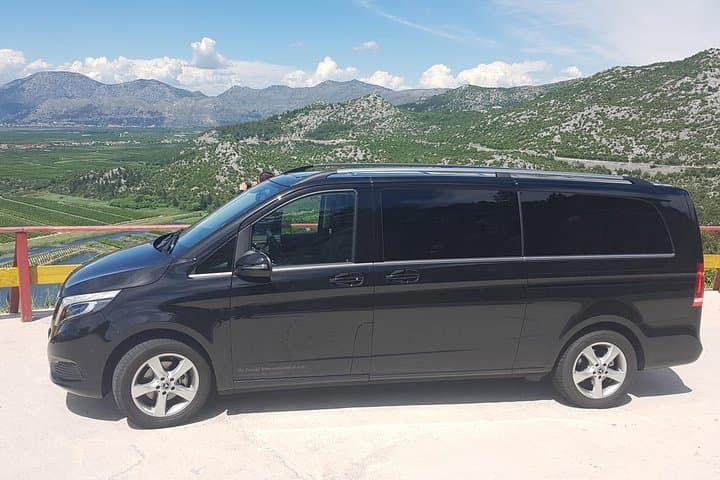
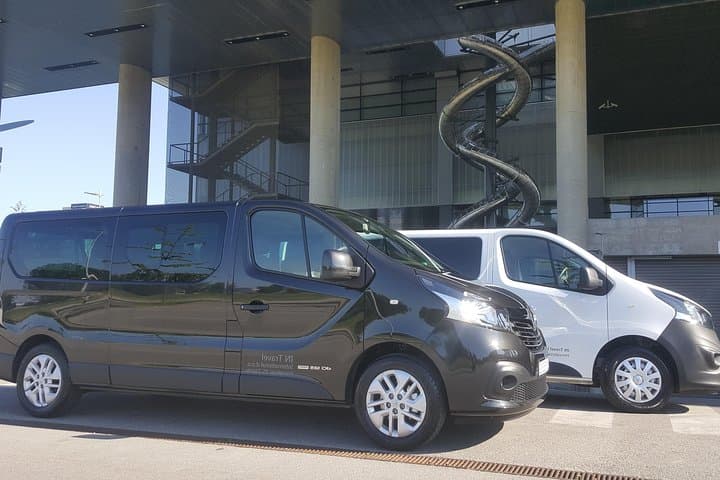
Practically, the private transfer from Zagreb to Zadar with a dedicated stop at Plitvice condenses logistics so you can focus on time on the trails rather than mapping routes. The operator provides hotel pickup in Zagreb or Zadar and a bilingual driver-guide; the tour is capped at eight guests for a quieter experience and includes entry, the electric boat between Kozjak Lake shores, and skip-the-line access during ticketed windows.
Expect to spend roughly three hours exploring the park’s main circuit on foot—boardwalks and stair sections link most major viewpoints—so lace up sturdy shoes and bring a layered jacket; mornings are often damp and evenings can be crisp, even in summer. If you prefer photographs, aim for early light on the upper lakes where reflections and color saturation are strongest. Keep to marked trails; the travertine is fragile and off-trail detours accelerate erosion.
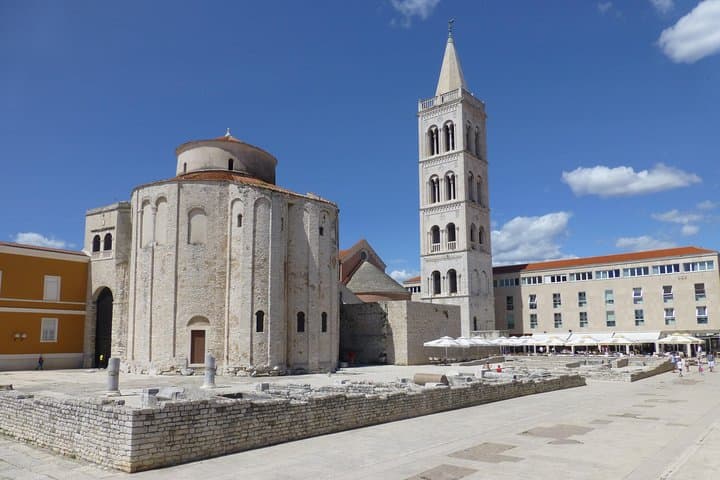
Timing matters: leaving Zagreb early gives you cooler air and softer light at the falls; finishing in Zadar means you can trade forest for coast and catch sunset along the Adriatic. For travelers who want the landscape without crowds and a seamless point-to-point transfer, this private Plitvice stopover is efficient and immersive—nature that still demands a little patience to read its seasonal grammar and the practicalities to enjoy it fully.
moderate.
8–10 hours (total transfer with 2–4 hours in park).
You should be comfortable walking on uneven boardwalks and climbing stair sections for several hours; basic stamina required.
Yes—this private tour includes Plitvice Lakes National Park admission and skip-the-line access during your visit.
The typical stop is about 2–4 hours within the park, combined with transfer time making the full trip 8–10 hours.
The tour operates year-round; operators advise dressing appropriately—some paths may be slippery in rain or snow.
The tour is suitable for most fitness levels, but there are stairs and uneven surfaces; not recommended for those with serious heart conditions.
Pickup can be arranged from hotels in Zagreb or Zadar; drop-off is at any location in or near Zadar if booked vice-versa.
Meals are not included—there are kiosks and a few cafes near park entrances, but bringing snacks is recommended.
Plitvice Lakes became Croatia’s first national park in 1949 and was placed on the UNESCO World Heritage List in 1979 for its unique travertine-formation processes.
The park manages visitor flow with electric boats and trains and strict trail rules; staying on paths helps preserve fragile travertine and habitat for protected species.
IN travel International d.o.o. operates guided outdoor trips and adventures with an emphasis on safety, stewardship, and memorable experiences.
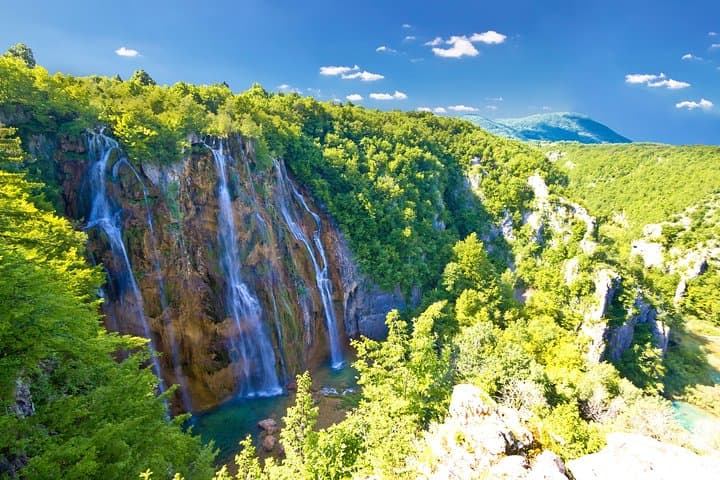
You step out of an air-conditioned minivan into a cathedral of water and limestone—the first plume of mist from a cascade cools your face and the boardwalk creaks underfoot. Here, among 16 linked lakes, the water does more than flow: it sculpts. Travertine terraces bloom where mineral-rich flows deposit calcium carbonate, creating curtains of falls and pools that shift color from turquoise to deep green depending on the light and season.
You step out of an air-conditioned minivan into a cathedral of water and limestone—the first plume of mist from a cascade cools your face and the boardwalk creaks underfoot. Here, among 16 linked lakes, the water does more than flow: it sculpts. Travertine terraces bloom where mineral-rich flows deposit calcium carbonate, creating curtains of falls and pools that shift color from turquoise to deep green depending on the light and season.
Plitvice Lakes National Park has been unfolding this slow geological performance for millennia; the terraces are living geology, rebuilding themselves as plants and microbes trap minerals. The park's human story is younger but no less textured—settlement, rural watermills, and conservation efforts that culminated in UNESCO World Heritage inscription in 1979. Today, quiet electric boats and a panoramic, noiseless train move visitors between basins, minimizing the footprint while maximizing the viewpoints.
Culturally, this region sits at the edge of Lika, where mountain gastronomy meets coastal influences. Along your private tour you may pass Rastoke—the watermill village where the Slunjčica meets the Korana—an often overlooked, storybook stop that predates modern tourism. Wildlife here is discreet: brown bears and otters roam connective forests and river corridors; birdsong threads through beech and spruce stands.
Practically, the private transfer from Zagreb to Zadar with a dedicated stop at Plitvice condenses logistics so you can focus on time on the trails rather than mapping routes. The operator provides hotel pickup in Zagreb or Zadar and a bilingual driver-guide; the tour is capped at eight guests for a quieter experience and includes entry, the electric boat between Kozjak Lake shores, and skip-the-line access during ticketed windows.
Expect to spend roughly three hours exploring the park’s main circuit on foot—boardwalks and stair sections link most major viewpoints—so lace up sturdy shoes and bring a layered jacket; mornings are often damp and evenings can be crisp, even in summer. If you prefer photographs, aim for early light on the upper lakes where reflections and color saturation are strongest. Keep to marked trails; the travertine is fragile and off-trail detours accelerate erosion.
Timing matters: leaving Zagreb early gives you cooler air and softer light at the falls; finishing in Zadar means you can trade forest for coast and catch sunset along the Adriatic. For travelers who want the landscape without crowds and a seamless point-to-point transfer, this private Plitvice stopover is efficient and immersive—nature that still demands a little patience to read its seasonal grammar and the practicalities to enjoy it fully.