THE ADVENTURE COLLECTIVE® · Independent discovery and booking for outdoor travel

Spend a full day at Plitvice Lakes on a private guided tour from Zagreb—walk steep boardwalks, cross by electric boat, and learn how travertine dams built Croatia’s most dramatic waterfalls. Perfect for travelers who want a structured, accessible introduction to the park.
Spend a full day at Plitvice Lakes on a private guided tour from Zagreb—walk steep boardwalks, cross by electric boat, and learn how travertine dams built Croatia’s most dramatic waterfalls. Perfect for travelers who want a structured, accessible introduction to the park.
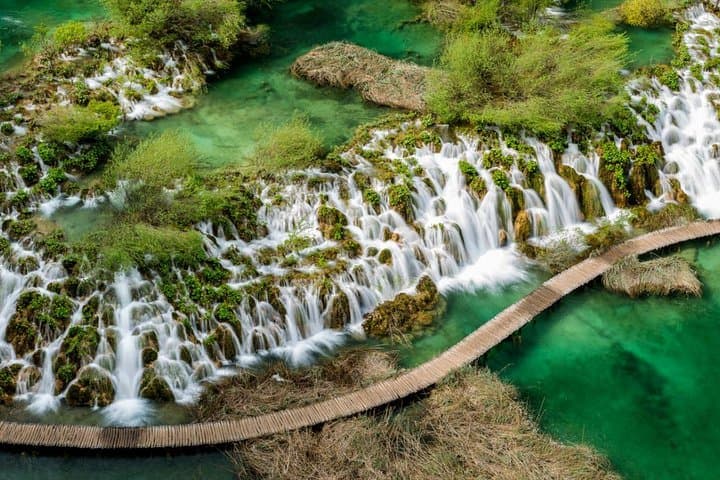
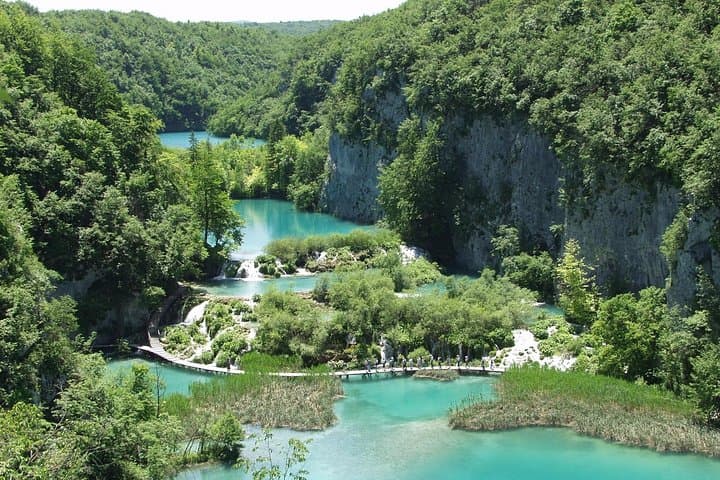
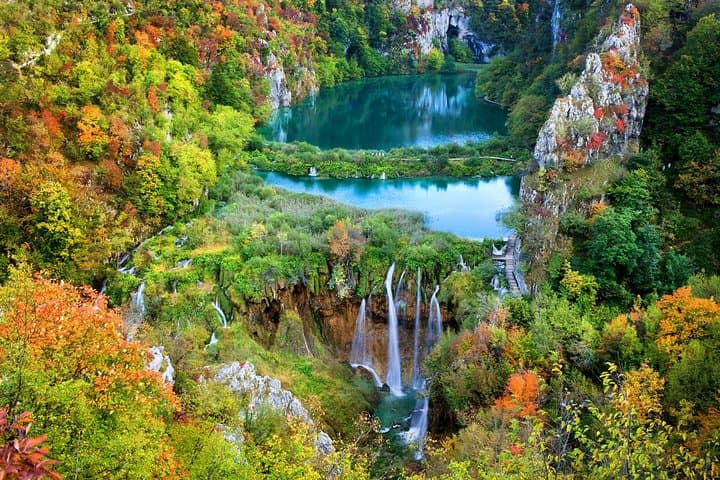
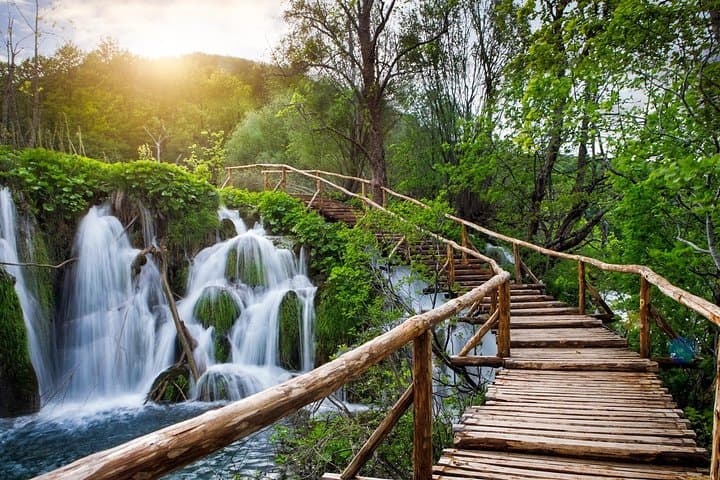
The morning light in Plitvice cuts through a high forest like a blade, turning the lakes an improbable green-blue. On a private day trip from Zagreb, the drive south gives way to the park’s hush: a mosaic of travertine dams, step-like cascades and boardwalks that lean over water so clear you expect it to answer back. The guide steps out first, maps in hand, and the day begins with the measured slap of falls, the electric boat that slides across the lower lakes, and a steady walk over wooden planks where fog sometimes clings to tree trunks.
Verified experiences and guided adventures in the surrounding area.
Operated by Elite Travel LTD · Plitvička Jezera, Lika-Senj County
The morning light in Plitvice cuts through a high forest like a blade, turning the lakes an improbable green-blue. On a private day trip from Zagreb, the drive south gives way to the park’s hush: a mosaic of travertine dams, step-like cascades and boardwalks that lean over water so clear you expect it to answer back. The guide steps out first, maps in hand, and the day begins with the measured slap of falls, the electric boat that slides across the lower lakes, and a steady walk over wooden planks where fog sometimes clings to tree trunks.
Plitvice Lakes National Park—Croatia’s oldest and largest protected area—was founded in 1949 and inscribed as a UNESCO World Heritage site for its geologic choreography: tufa and travertine deposits build natural dams that constantly reshape the landscape, creating 16 linked lakes. The story of the park is both geology and human will; shepherds once moved through these forests and postwar conservation efforts turned a patchwork of mountain valleys into a nationally guarded ecosystem.
Culturally, the region carries Lika’s quiet rhythms—simple mountain food, wooden architecture and a slow pace. Local guides point out endemic plants and old shepherd trails repurposed into park paths. Wildlife is present but subtle: deer and otters show themselves more often than the shy brown bears, and bird song threads through the canopy.
Practical guidance matters here. The typical guided walk covers roughly 5 km of trails with steep sections and staircases; expect a fair bit of up-and-down. The electric boat crosses Lake Kozjak, and the sightseeing train reduces walking time but not the need for good shoes. The full tour runs about ten hours from Zagreb including transfers; plan for an early pickup to reach the park before midday crowds.
Wear sturdy hiking shoes with good grip—boardwalks can be wet and slippery—and layer for changeable mountain weather. Bring water, a packed lunch or local snacks, and a light rain shell even in summer. Photography is best in soft morning light or late afternoon when the sun slices across the falls; midday sees the most visitors. Follow park rules: stay on marked trails, don’t swim, and carry out any trash. Booking a private guided tour buys flexibility—your guide can adjust pace, point out quieter vantage points, and explain the park’s living geology.
For travelers coming from Zagreb, the trip is long but rewarding: a full-day immersion in an active landscape that reshapes itself year to year. Whether you come for waterfalls, birdlife, or the simple discipline of walking through water-carved country, Plitvice delivers precise, elemental scenery that stays with you on the drive back to the city.
moderate.
10 hours (full-day tour, approx. 5 km walking in-park).
Good for anyone comfortable with 2–4 hours of steady walking and some steep stair sections
The walking loop on this private tour covers roughly 5 km inside the park, with several stair sections and boardwalks; allow 2–3 hours to move at a comfortable pace.
Yes—this tour includes the electric boat ride on the lower lakes and sightseeing train segments as described in the itinerary.
Children are allowed but the operator recommends against children under 4; strollers are not practical on boardwalks.
The tour includes transport and guide services only; bring snacks or buy lunch at park restaurants when available.
Basic facilities and small eateries exist near main entrances and key viewpoints; carry cash for small purchases as card acceptance varies.
No—swimming is prohibited to protect the travertine formations and water quality; observe from designated viewpoints only.
Plitvice was designated Croatia’s first national park in 1949 and joined UNESCO’s World Heritage list for its dynamic travertine formations and linked lakes.
The park manages visitor flow and enforces stay-on-trail rules to protect fragile travertine and endemic species; avoid off-trail walking and single-use plastics.
Elite Travel LTD operates guided outdoor trips and adventures with an emphasis on safety, stewardship, and memorable experiences.
The morning light in Plitvice cuts through a high forest like a blade, turning the lakes an improbable green-blue. On a private day trip from Zagreb, the drive south gives way to the park’s hush: a mosaic of travertine dams, step-like cascades and boardwalks that lean over water so clear you expect it to answer back. The guide steps out first, maps in hand, and the day begins with the measured slap of falls, the electric boat that slides across the lower lakes, and a steady walk over wooden planks where fog sometimes clings to tree trunks.
The morning light in Plitvice cuts through a high forest like a blade, turning the lakes an improbable green-blue. On a private day trip from Zagreb, the drive south gives way to the park’s hush: a mosaic of travertine dams, step-like cascades and boardwalks that lean over water so clear you expect it to answer back. The guide steps out first, maps in hand, and the day begins with the measured slap of falls, the electric boat that slides across the lower lakes, and a steady walk over wooden planks where fog sometimes clings to tree trunks.
Plitvice Lakes National Park—Croatia’s oldest and largest protected area—was founded in 1949 and inscribed as a UNESCO World Heritage site for its geologic choreography: tufa and travertine deposits build natural dams that constantly reshape the landscape, creating 16 linked lakes. The story of the park is both geology and human will; shepherds once moved through these forests and postwar conservation efforts turned a patchwork of mountain valleys into a nationally guarded ecosystem.
Culturally, the region carries Lika’s quiet rhythms—simple mountain food, wooden architecture and a slow pace. Local guides point out endemic plants and old shepherd trails repurposed into park paths. Wildlife is present but subtle: deer and otters show themselves more often than the shy brown bears, and bird song threads through the canopy.
Practical guidance matters here. The typical guided walk covers roughly 5 km of trails with steep sections and staircases; expect a fair bit of up-and-down. The electric boat crosses Lake Kozjak, and the sightseeing train reduces walking time but not the need for good shoes. The full tour runs about ten hours from Zagreb including transfers; plan for an early pickup to reach the park before midday crowds.
Wear sturdy hiking shoes with good grip—boardwalks can be wet and slippery—and layer for changeable mountain weather. Bring water, a packed lunch or local snacks, and a light rain shell even in summer. Photography is best in soft morning light or late afternoon when the sun slices across the falls; midday sees the most visitors. Follow park rules: stay on marked trails, don’t swim, and carry out any trash. Booking a private guided tour buys flexibility—your guide can adjust pace, point out quieter vantage points, and explain the park’s living geology.
For travelers coming from Zagreb, the trip is long but rewarding: a full-day immersion in an active landscape that reshapes itself year to year. Whether you come for waterfalls, birdlife, or the simple discipline of walking through water-carved country, Plitvice delivers precise, elemental scenery that stays with you on the drive back to the city.