THE ADVENTURE COLLECTIVE® · Independent discovery and booking for outdoor travel

Experience Plitvice’s cascading lakes and travertine barriers on a private day trip from Zagreb. This custom tour pairs skip-the-line access with local knowledge so you can explore routes, boat crossings, and viewpoints at your own pace.
Experience Plitvice’s cascading lakes and travertine barriers on a private day trip from Zagreb. This custom tour pairs skip-the-line access with local knowledge so you can explore routes, boat crossings, and viewpoints at your own pace.
You step out of the van into a bowl of sound: water finding its way, a sequence of falls that seems impatient to keep going. Early morning mist threads between the terraces of travertine and the boardwalks glisten with drops that catch the weak sun. On a private tour you have room to move at your own pace—linger at a viewpoint, follow a quieter side path, or let the guide time the boat crossing so the light slants across the lakes.
Verified experiences and guided adventures in the surrounding area.
Operated by hotelski prijevoz · Plitvička Jezera, Lika-Senj County
You step out of the van into a bowl of sound: water finding its way, a sequence of falls that seems impatient to keep going. Early morning mist threads between the terraces of travertine and the boardwalks glisten with drops that catch the weak sun. On a private tour you have room to move at your own pace—linger at a viewpoint, follow a quieter side path, or let the guide time the boat crossing so the light slants across the lakes.
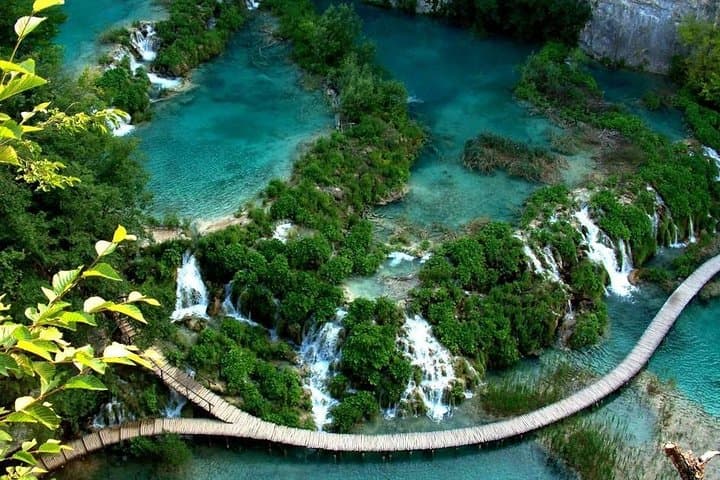
Plitvice Lakes National Park is not a pretty postcard by accident. Carved in a karst landscape between the Mala Kapela and Licka Pljesivica ranges, the park’s 16 numbered lakes spill into each other over tufa dams created by mineral-rich spring water and mosses. That slow chemistry, the ongoing building of travertine, is the reason UNESCO listed Plitvice in 1979. The region has a long human story too: shepherding and small mountain villages shaped access and respect for the woods and waterways that define the Lika hinterland.
A private ‘as you wish’ day trip from Zagreb (roughly 90 minutes by road) turns the park’s logistics into part of the experience. Guides help you skip lines at the entrances, plan a route out of the seven available circuits, and arrange the park’s internal electric boat and shuttle if you’d rather conserve energy for photography and short scrambles. The terrain is mostly wooden boardwalk and well-maintained paths, but expect stairs and occasional wet surfaces—this is a place where water dares you to stand still and watch.
Practical planning: bring sturdy shoes with good grip, a waterproof layer, and a full water bottle—though bottled water is often provided on private tours. Aim for early or late in the day to avoid the busiest hours; summer brings crowds, while shoulder seasons reward you with cooler air and more dramatic light. If you have limited mobility, discuss route choices with your guide; some circuits are flatter and shorter. Cameras benefit from a polarizer to control reflections, and neutral compositions work well—wide shots across Kozjak Lake and close-ups of the tufa rim.
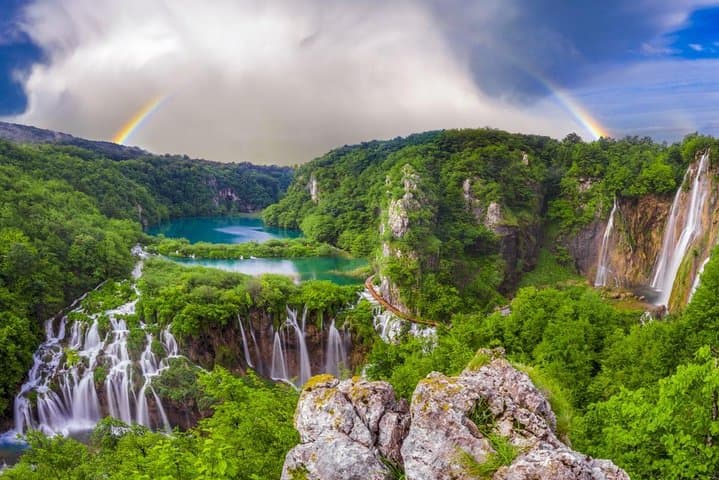
Beyond the main falls, ask your guide about lesser-known viewpoints and the village culture around the park. Conservation matters here: stay on the boardwalks, avoid touching travertine formations, and follow the guide’s instructions. A private tour gives you the advantage of flexibility—spend extra time at Veliki Slap or cut your route short to sit by a quiet inlet and let the place move at its own steady pace.
moderate.
10 hours.
Comfortable walking fitness; able to handle several miles on uneven, stair-filled boardwalks throughout the day
Most private tours include skip-the-line park admission; confirm at booking since some providers require separate tickets in high season.
Driving time is about 1.5 to 2 hours depending on traffic; private pickup from Zagreb is commonly offered by tour operators.
Many routes are family-friendly, but the park has stairs and uneven sections—choose a shorter, flatter circuit if mobility is limited.
There are designated picnic areas outside the core lake circuits; bringing snacks is fine but avoid feeding wildlife and pack out any trash.
Golden hour and early morning provide softer light and fewer people; a polarizing filter helps manage reflections and glare.
Domestic animals are generally not permitted on the main trails to protect wildlife and tufa formations; check current park rules before visiting.
Plitvice’s travertine dams formed over millennia; the park was established in 1949 and added to UNESCO’s World Heritage List in 1979 for its geological processes.
The park manages visitor flow with designated routes, boats, and shuttles to protect fragile tufa growth—stay on boardwalks and follow guides to minimize impact.
hotelski prijevoz operates guided outdoor trips and adventures with an emphasis on safety, stewardship, and memorable experiences.
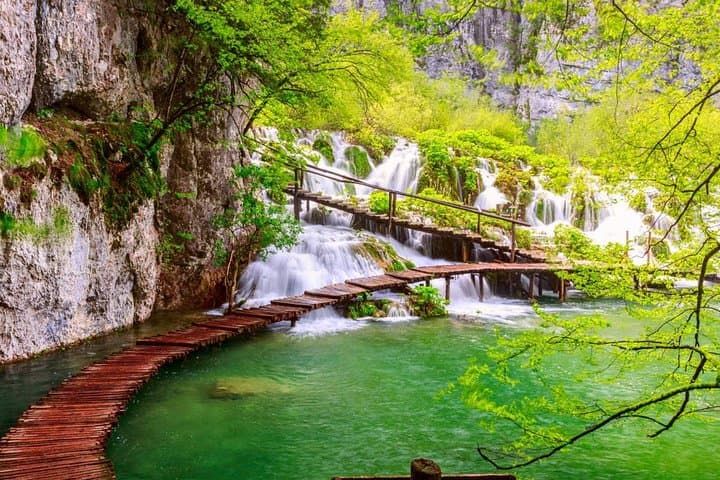
You step out of the van into a bowl of sound: water finding its way, a sequence of falls that seems impatient to keep going. Early morning mist threads between the terraces of travertine and the boardwalks glisten with drops that catch the weak sun. On a private tour you have room to move at your own pace—linger at a viewpoint, follow a quieter side path, or let the guide time the boat crossing so the light slants across the lakes.
You step out of the van into a bowl of sound: water finding its way, a sequence of falls that seems impatient to keep going. Early morning mist threads between the terraces of travertine and the boardwalks glisten with drops that catch the weak sun. On a private tour you have room to move at your own pace—linger at a viewpoint, follow a quieter side path, or let the guide time the boat crossing so the light slants across the lakes.
Plitvice Lakes National Park is not a pretty postcard by accident. Carved in a karst landscape between the Mala Kapela and Licka Pljesivica ranges, the park’s 16 numbered lakes spill into each other over tufa dams created by mineral-rich spring water and mosses. That slow chemistry, the ongoing building of travertine, is the reason UNESCO listed Plitvice in 1979. The region has a long human story too: shepherding and small mountain villages shaped access and respect for the woods and waterways that define the Lika hinterland.
A private ‘as you wish’ day trip from Zagreb (roughly 90 minutes by road) turns the park’s logistics into part of the experience. Guides help you skip lines at the entrances, plan a route out of the seven available circuits, and arrange the park’s internal electric boat and shuttle if you’d rather conserve energy for photography and short scrambles. The terrain is mostly wooden boardwalk and well-maintained paths, but expect stairs and occasional wet surfaces—this is a place where water dares you to stand still and watch.
Practical planning: bring sturdy shoes with good grip, a waterproof layer, and a full water bottle—though bottled water is often provided on private tours. Aim for early or late in the day to avoid the busiest hours; summer brings crowds, while shoulder seasons reward you with cooler air and more dramatic light. If you have limited mobility, discuss route choices with your guide; some circuits are flatter and shorter. Cameras benefit from a polarizer to control reflections, and neutral compositions work well—wide shots across Kozjak Lake and close-ups of the tufa rim.
Beyond the main falls, ask your guide about lesser-known viewpoints and the village culture around the park. Conservation matters here: stay on the boardwalks, avoid touching travertine formations, and follow the guide’s instructions. A private tour gives you the advantage of flexibility—spend extra time at Veliki Slap or cut your route short to sit by a quiet inlet and let the place move at its own steady pace.