THE ADVENTURE COLLECTIVE® · Independent discovery and booking for outdoor travel

Leave Split before sunrise and follow a coast-to-forest route to Plitvice Lakes National Park; this private day tour includes a boat ride, boardwalks over turquoise cascades, a stop in mill-lined Rastoke, and a one-way drop in Zagreb.
Leave Split before sunrise and follow a coast-to-forest route to Plitvice Lakes National Park; this private day tour includes a boat ride, boardwalks over turquoise cascades, a stop in mill-lined Rastoke, and a one-way drop in Zagreb.
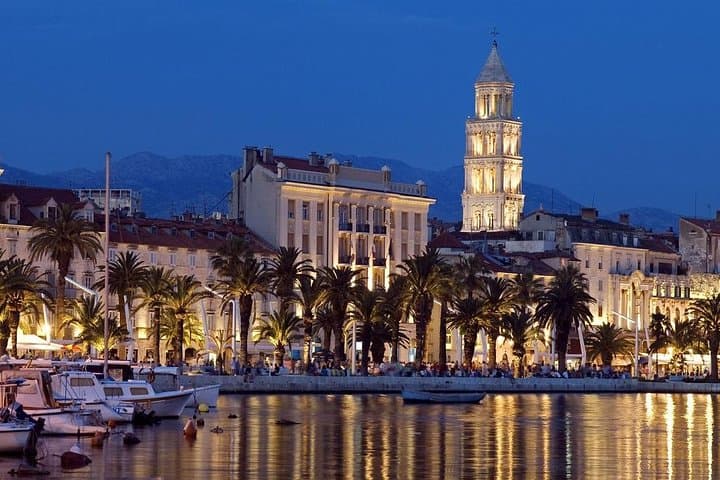
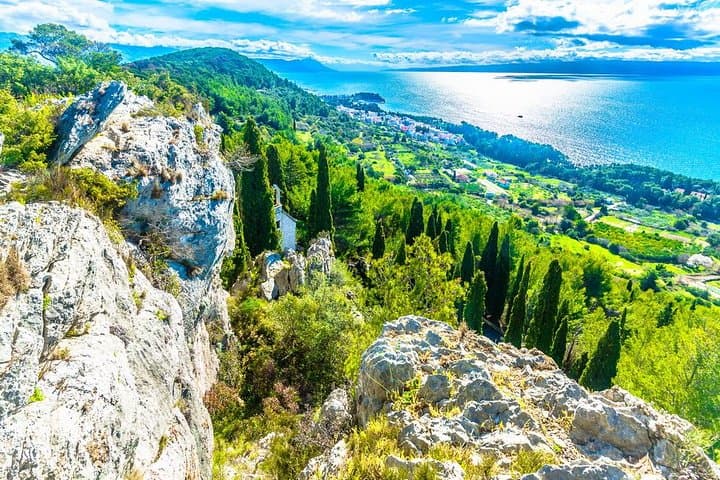
The day starts before dawn on the Dalmatian coast — a small van eases out of Split, headlights cutting the coastal haze as the driver-guide outlines the plan. The road inland climbs out of olive groves and stone villages, and by mid-morning the air has a different weight: cooler, moss-scented, threaded with the constant hush of falling water. Plitvice’s lakes are not a backdrop so much as a continuing movement; each cascade pulls the route forward like a promise.
Verified experiences and guided adventures in the surrounding area.
Operated by Zico Tours · Plitvička Jezera, Lika-Senj County
The day starts before dawn on the Dalmatian coast — a small van eases out of Split, headlights cutting the coastal haze as the driver-guide outlines the plan. The road inland climbs out of olive groves and stone villages, and by mid-morning the air has a different weight: cooler, moss-scented, threaded with the constant hush of falling water. Plitvice’s lakes are not a backdrop so much as a continuing movement; each cascade pulls the route forward like a promise.
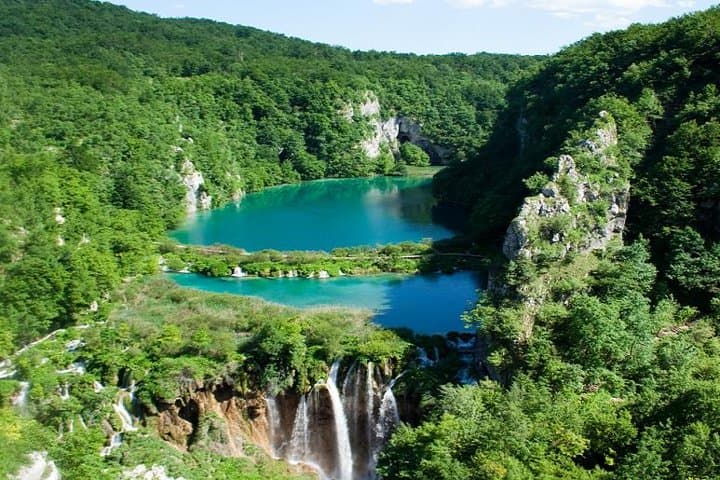
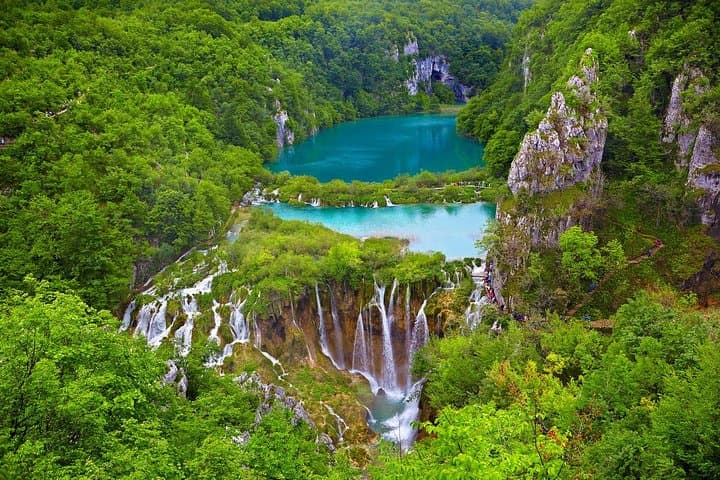
Plitvice Lakes National Park was set aside in 1949 and later recognized by UNESCO for its chain of 16 terraced lakes and waterfalls carved in travertine. The geology is straightforward to read: limestone dissolves, tufa builds, channels shift — the landscape is still rearranging itself. The human history in nearby Rastoke, where watermills hitch themselves to the river Slunjčica, is older and practical: small communities harnessed these currents for grain, and today the mills give the village a lived-in quality where you can slow down for coffee.
On this private full-day route, travelers get roughly four hours inside the park to follow boardwalks, take the short boat across Kozjak Lake, and ride a small scenic train that threads the lower and upper basins. The itinerary balances the busiest viewpoints — Veliki Slap (the Great Waterfall) and the panoramic boardwalks over the lower lakes — with quieter side trails if the group prefers to step off the main circulation.
Practical edge: the walking is mostly on well-maintained wooden boardwalks and gravel trails, but there are stairs and uneven sections; expect moderate exertion. Bring waterproof layers and shoes that grip — spray from falls and early-season runoff can make routes slick. Timing matters: arrive early to avoid the mid-day crowds from Zagreb and the coach tours.
Logistics are straightforward for those starting in Split and finishing in Zagreb. The private transfer eliminates the back-and-forth drive and makes a one-way strategy possible, but it does make for a long day — roughly 12 hours on the schedule, including road time. Entrances can be busy in summer; a private guide can help speed ticketing and choose the least congested loop.
For travelers who want the essentials: carry a light daypack, layered clothing, snacks, and a fully charged camera. Respect the park rules — stay on boardwalks and do not feed wildlife. In exchange, Plitvice rewards with water that seems intent on moving you forward, terraces that change tone with the light, and a handful of remarkable viewpoints that make the long day worthwhile.
moderate.
12 hours.
Requires a moderate level of fitness: several kilometers of walking with stairs and uneven surfaces over a few hours.
Admission is not automatically included; your guide can advise on ticket purchase and timing to minimize wait times.
Expect about 2.5–3 hours each way depending on traffic and stops; total tour time is roughly 12 hours.
Yes — children can join but must be accompanied by an adult; consider the long day and walking requirements when planning.
Yes — restrooms are available at major park entrances and some viewpoints, but bring hand sanitizer for convenience.
Some lower-lakes boardwalks are accessible, but many trails include steps and uneven sections; check with the operator for specific accessibility arrangements.
The tour is generally rain-tolerant, though heavy storms may limit access; cancellation policy allows full refund if canceled more than 24 hours in advance.
Plitvice Lakes was protected as a national park in 1949 and added to UNESCO’s World Heritage List in 1979 for its evolving travertine formations and waterfalls.
Visitors must stay on marked paths to protect fragile tufa and aquatic systems; the park enforces strict rules on litter and feeding wildlife.
Zico Tours operates guided outdoor trips and adventures with an emphasis on safety, stewardship, and memorable experiences.
The day starts before dawn on the Dalmatian coast — a small van eases out of Split, headlights cutting the coastal haze as the driver-guide outlines the plan. The road inland climbs out of olive groves and stone villages, and by mid-morning the air has a different weight: cooler, moss-scented, threaded with the constant hush of falling water. Plitvice’s lakes are not a backdrop so much as a continuing movement; each cascade pulls the route forward like a promise.
The day starts before dawn on the Dalmatian coast — a small van eases out of Split, headlights cutting the coastal haze as the driver-guide outlines the plan. The road inland climbs out of olive groves and stone villages, and by mid-morning the air has a different weight: cooler, moss-scented, threaded with the constant hush of falling water. Plitvice’s lakes are not a backdrop so much as a continuing movement; each cascade pulls the route forward like a promise.
Plitvice Lakes National Park was set aside in 1949 and later recognized by UNESCO for its chain of 16 terraced lakes and waterfalls carved in travertine. The geology is straightforward to read: limestone dissolves, tufa builds, channels shift — the landscape is still rearranging itself. The human history in nearby Rastoke, where watermills hitch themselves to the river Slunjčica, is older and practical: small communities harnessed these currents for grain, and today the mills give the village a lived-in quality where you can slow down for coffee.
On this private full-day route, travelers get roughly four hours inside the park to follow boardwalks, take the short boat across Kozjak Lake, and ride a small scenic train that threads the lower and upper basins. The itinerary balances the busiest viewpoints — Veliki Slap (the Great Waterfall) and the panoramic boardwalks over the lower lakes — with quieter side trails if the group prefers to step off the main circulation.
Practical edge: the walking is mostly on well-maintained wooden boardwalks and gravel trails, but there are stairs and uneven sections; expect moderate exertion. Bring waterproof layers and shoes that grip — spray from falls and early-season runoff can make routes slick. Timing matters: arrive early to avoid the mid-day crowds from Zagreb and the coach tours.
Logistics are straightforward for those starting in Split and finishing in Zagreb. The private transfer eliminates the back-and-forth drive and makes a one-way strategy possible, but it does make for a long day — roughly 12 hours on the schedule, including road time. Entrances can be busy in summer; a private guide can help speed ticketing and choose the least congested loop.
For travelers who want the essentials: carry a light daypack, layered clothing, snacks, and a fully charged camera. Respect the park rules — stay on boardwalks and do not feed wildlife. In exchange, Plitvice rewards with water that seems intent on moving you forward, terraces that change tone with the light, and a handful of remarkable viewpoints that make the long day worthwhile.