THE ADVENTURE COLLECTIVE® · Independent discovery and booking for outdoor travel

Swap Tokyo’s skyline for a day of volcanic peaks, lakeside shorelines and steaming valleys. This private, customizable one-day tour hits Mount Fuji’s highlights—5th Station, Kawaguchi-ko, Arakurayama—and Hakone’s Owakudani and Lake Ashi for a compact, accessible introduction to the region.
Swap Tokyo’s skyline for a day of volcanic peaks, lakeside shorelines and steaming valleys. This private, customizable one-day tour hits Mount Fuji’s highlights—5th Station, Kawaguchi-ko, Arakurayama—and Hakone’s Owakudani and Lake Ashi for a compact, accessible introduction to the region.
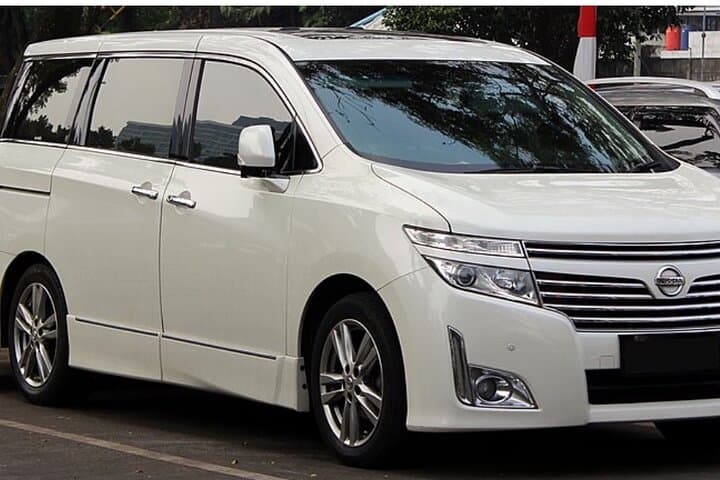
The van hums out of Tokyo before dawn and the city’s grid of neon and glass loosens into rice paddies and low hills. By midmorning the peak appears: a perfect, pared-back cone rising above cedar crowns. On this private day tour the landscape doesn’t simply unfold—it insists. Mount Fuji dominates the route, while Hakone’s steaming vents and Lake Ashi’s mirrored surface push and pull the day’s tempo.
Verified experiences and guided adventures in the surrounding area.
Operated by Friendly Tour · Fujikawaguchiko, Yamanashi
The van hums out of Tokyo before dawn and the city’s grid of neon and glass loosens into rice paddies and low hills. By midmorning the peak appears: a perfect, pared-back cone rising above cedar crowns. On this private day tour the landscape doesn’t simply unfold—it insists. Mount Fuji dominates the route, while Hakone’s steaming vents and Lake Ashi’s mirrored surface push and pull the day’s tempo.
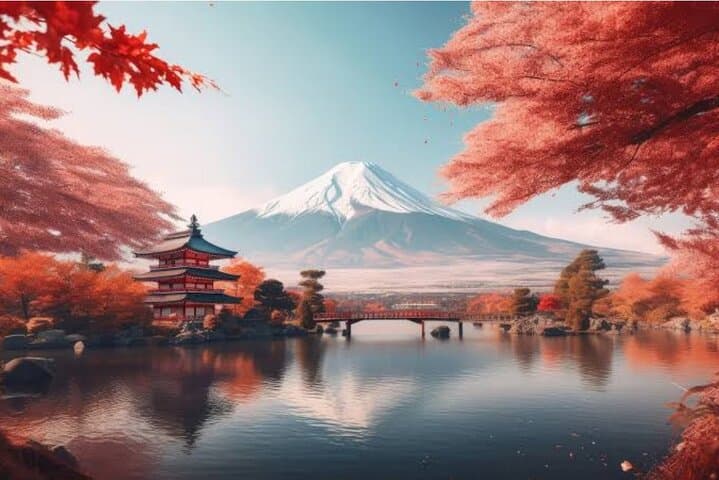
You move between icons: Arakurayama’s five-story pagoda with its 398-step perch, the clear springs of Oshino Hakkai where karst-fed ponds hold fat koi, Lake Kawaguchi’s broad shore, and the volcanic Owakudani Valley—white steam daring you to look closer. Each stop is also a different chapter of the region’s story: Shinto shrines that have honored Fuji for more than a millennium, Edo-period farmhouses that recall a pre-industrial life, and ropeways and sightseeing boats that are reminders of modern Japan’s tourist infrastructure.
Geology is visible at a glance. Fuji’s symmetrical cone is a stratovolcano built in stages, its slopes a layered record of past eruptions. Owakudani’s sulfurous fumaroles are younger—an active reminder of the tectonic forces beneath Honshu’s skin. Culturally, the mountain is more than a backdrop: it’s been an object of pilgrimage, art, and mountaineering for centuries. Visit Fuji Sengen Shrine and you’ll see carved Ema (prayer plaques) that ask for safe passages and good harvests in the same breath.
Practicality drives the second half of the day. This is a private round-trip from Tokyo with customizable stops, meaning you can trade a longer stay at the 5th station for more time on the lake. Expect a lot of short walks and a few sets of steps; elevation shifts at Fuji’s 5th station (about 2,300 meters) can feel brisk, so plan your pace. Meals are flexible—local stalls around Oshino Hakkai sell yakitori and sweet dango, while Kawaguchiko has cafés serving hot soba.
Timing is everything for photography: clear air early or late in the day yields the best Fuji silhouettes; midday often brings clouds. Accessibility is decent—vehicles and many surfaces are wheelchair-friendly—but volcanic sites like Owakudani have uneven ground. Bring layered clothing for the temperature swing between Tokyo and high elevation, and carry cash for small vendors.
For travelers who want a concentrated primer on the region, this full-day private tour packs the essentials without feeling rushed. It’s part cultural primer, part geology lesson, and part open-air gallery—one day that lets Mount Fuji set the agenda and Hakone add a volcanic coda.
easy.
8–10 hours.
Light activity—suitable for most walkers; some short stair climbs and higher-elevation walking at the 5th station.
Yes—the tour provides hotel pickup and drop-off in Tokyo; the operator confirms your meeting point the day before.
No—meals and snacks are not included so you can choose local stalls, cafés or bring a packed lunch.
Yes—this is a private tour with flexible stops among listed attractions like Kawaguchi-ko, Oshino Hakkai and Owakudani.
Yes—transport and many surfaces are stroller-accessible; infant seats are available on request.
No—this tour visits Fuji’s 5th Station (about 2,300 m) for views; climbing to the summit requires a multi-day plan during the official climbing season.
Many areas and the vehicle are wheelchair-accessible, but volcanic zones like Owakudani have uneven paths—check specifics with the supplier.
Mount Fuji has been a sacred site for Shinto practice for over a thousand years; local Sengen shrines mark routes of pilgrimage and protective rituals.
High visitor numbers strain trails and fragile volcanic landscapes—stick to marked paths, carry out waste, and support local businesses to help the area’s stewardship.
Friendly Tour operates guided outdoor trips and adventures with an emphasis on safety, stewardship, and memorable experiences.

The van hums out of Tokyo before dawn and the city’s grid of neon and glass loosens into rice paddies and low hills. By midmorning the peak appears: a perfect, pared-back cone rising above cedar crowns. On this private day tour the landscape doesn’t simply unfold—it insists. Mount Fuji dominates the route, while Hakone’s steaming vents and Lake Ashi’s mirrored surface push and pull the day’s tempo.
The van hums out of Tokyo before dawn and the city’s grid of neon and glass loosens into rice paddies and low hills. By midmorning the peak appears: a perfect, pared-back cone rising above cedar crowns. On this private day tour the landscape doesn’t simply unfold—it insists. Mount Fuji dominates the route, while Hakone’s steaming vents and Lake Ashi’s mirrored surface push and pull the day’s tempo.
You move between icons: Arakurayama’s five-story pagoda with its 398-step perch, the clear springs of Oshino Hakkai where karst-fed ponds hold fat koi, Lake Kawaguchi’s broad shore, and the volcanic Owakudani Valley—white steam daring you to look closer. Each stop is also a different chapter of the region’s story: Shinto shrines that have honored Fuji for more than a millennium, Edo-period farmhouses that recall a pre-industrial life, and ropeways and sightseeing boats that are reminders of modern Japan’s tourist infrastructure.
Geology is visible at a glance. Fuji’s symmetrical cone is a stratovolcano built in stages, its slopes a layered record of past eruptions. Owakudani’s sulfurous fumaroles are younger—an active reminder of the tectonic forces beneath Honshu’s skin. Culturally, the mountain is more than a backdrop: it’s been an object of pilgrimage, art, and mountaineering for centuries. Visit Fuji Sengen Shrine and you’ll see carved Ema (prayer plaques) that ask for safe passages and good harvests in the same breath.
Practicality drives the second half of the day. This is a private round-trip from Tokyo with customizable stops, meaning you can trade a longer stay at the 5th station for more time on the lake. Expect a lot of short walks and a few sets of steps; elevation shifts at Fuji’s 5th station (about 2,300 meters) can feel brisk, so plan your pace. Meals are flexible—local stalls around Oshino Hakkai sell yakitori and sweet dango, while Kawaguchiko has cafés serving hot soba.
Timing is everything for photography: clear air early or late in the day yields the best Fuji silhouettes; midday often brings clouds. Accessibility is decent—vehicles and many surfaces are wheelchair-friendly—but volcanic sites like Owakudani have uneven ground. Bring layered clothing for the temperature swing between Tokyo and high elevation, and carry cash for small vendors.
For travelers who want a concentrated primer on the region, this full-day private tour packs the essentials without feeling rushed. It’s part cultural primer, part geology lesson, and part open-air gallery—one day that lets Mount Fuji set the agenda and Hakone add a volcanic coda.