THE ADVENTURE COLLECTIVE® · Independent discovery and booking for outdoor travel

Spend a private half-day between Épernay and Montagne de Reims visiting Moët & Chandon’s cellars, tasting Grand Cru family vineyards and exploring Hautvillers. Learn regional geology, meet family producers, and taste Champagne where it’s made.
Spend a private half-day between Épernay and Montagne de Reims visiting Moët & Chandon’s cellars, tasting Grand Cru family vineyards and exploring Hautvillers. Learn regional geology, meet family producers, and taste Champagne where it’s made.
You step out of the car under a pale Champagne sky and the vines seem to lean forward, as if expecting your tasting glass.
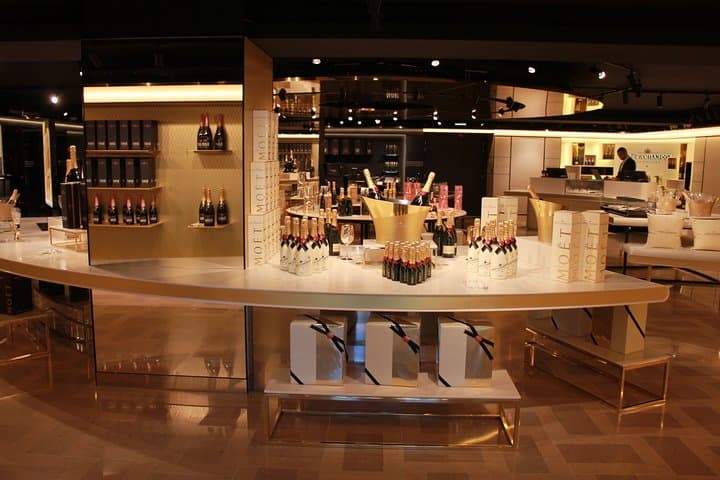
The first stop is Moët & Chandon’s cellars — a cool, chalk-cut labyrinth where the air smells faintly of yeast and aged cork. From there the road climbs into the Montagne de Reims, where Grand Cru parcels sit on slopes of marl and chalk that drive the region’s signature acidity and stamina in the wines.
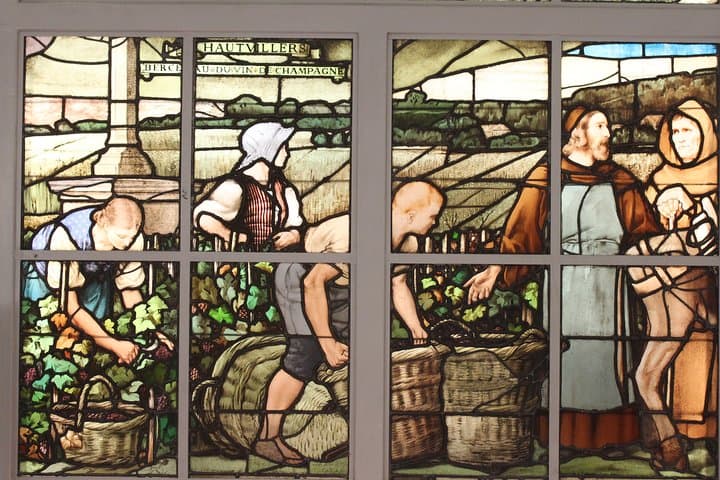
Champagne’s history is folded into these places: Hautvillers, where Dom Pérignon tended vines and is buried, reads like a short chapter in viticulture. Geology matters here — the Champagne soil is porous chalk that holds winter water and releases it through the growing season, shaping the bright, mineral backbone of the wines you’ll taste.
Expect three family-run Grand Cru tastings, a public cellar visit and a guided tasting at Moët in English, all delivered in a private half-day vehicle. Tastings often run 30–75 minutes; allow time for questions and a slow sip.
Practical guidance: tasting fees run €110–€350 per person and must be prepaid; tours depart morning or afternoon and are private for small groups. Dress in layers for cool cellars and sunshine on the slopes; bring cash for extras and plan to be punctual — hosts often have tight schedules. This trip pairs cultured history with the raw, tactile feel of vineyards underfoot, ideal for anyone who wants Champagne explained as much as sampled.
Verified experiences and guided adventures in the surrounding area.
Operated by Passport Gourmet · Épernay, Grand Est
You step out of the car under a pale Champagne sky and the vines seem to lean forward, as if expecting your tasting glass.
The first stop is Moët & Chandon’s cellars — a cool, chalk-cut labyrinth where the air smells faintly of yeast and aged cork. From there the road climbs into the Montagne de Reims, where Grand Cru parcels sit on slopes of marl and chalk that drive the region’s signature acidity and stamina in the wines.
Champagne’s history is folded into these places: Hautvillers, where Dom Pérignon tended vines and is buried, reads like a short chapter in viticulture. Geology matters here — the Champagne soil is porous chalk that holds winter water and releases it through the growing season, shaping the bright, mineral backbone of the wines you’ll taste.
Expect three family-run Grand Cru tastings, a public cellar visit and a guided tasting at Moët in English, all delivered in a private half-day vehicle. Tastings often run 30–75 minutes; allow time for questions and a slow sip.
Practical guidance: tasting fees run €110–€350 per person and must be prepaid; tours depart morning or afternoon and are private for small groups. Dress in layers for cool cellars and sunshine on the slopes; bring cash for extras and plan to be punctual — hosts often have tight schedules. This trip pairs cultured history with the raw, tactile feel of vineyards underfoot, ideal for anyone who wants Champagne explained as much as sampled.
easy.
4 hours.
Suitable for all fitness levels; involves short walks through vineyards and standing during tastings
The private tour includes a public cellar visit and a guided tasting at Moët; additional vineyard tasting fees (€110–€350 pp) are prepaid and depend on chosen stops.
Tours commonly operate from Reims with private transport that travels to the Montagne de Reims, Épernay (Moët) and Hautvillers—confirm your pickup point when booking.
No — the tour is restricted to guests 18 and older due to alcohol tastings and cellar policies.
The tour is generally easy but includes cellar stairs and uneven vineyard terrain; notify the operator of mobility needs so they can adapt the itinerary if possible.
Hautvillers is famous as the abbey village where Dom Pérignon refined blending techniques; the region’s chalk quarries have been used for cellars since Roman times.
Many small growers practice sustainable viticulture and selective harvesting; visitors should stick to paths to avoid trampling young vines and respect estate rules on photography and picking.
Passport Gourmet operates guided outdoor trips and adventures with an emphasis on safety, stewardship, and memorable experiences.
You step out of the car under a pale Champagne sky and the vines seem to lean forward, as if expecting your tasting glass.
The first stop is Moët & Chandon’s cellars — a cool, chalk-cut labyrinth where the air smells faintly of yeast and aged cork. From there the road climbs into the Montagne de Reims, where Grand Cru parcels sit on slopes of marl and chalk that drive the region’s signature acidity and stamina in the wines.
Champagne’s history is folded into these places: Hautvillers, where Dom Pérignon tended vines and is buried, reads like a short chapter in viticulture. Geology matters here — the Champagne soil is porous chalk that holds winter water and releases it through the growing season, shaping the bright, mineral backbone of the wines you’ll taste.
Expect three family-run Grand Cru tastings, a public cellar visit and a guided tasting at Moët in English, all delivered in a private half-day vehicle. Tastings often run 30–75 minutes; allow time for questions and a slow sip.
Practical guidance: tasting fees run €110–€350 per person and must be prepaid; tours depart morning or afternoon and are private for small groups. Dress in layers for cool cellars and sunshine on the slopes; bring cash for extras and plan to be punctual — hosts often have tight schedules. This trip pairs cultured history with the raw, tactile feel of vineyards underfoot, ideal for anyone who wants Champagne explained as much as sampled.
You step out of the car under a pale Champagne sky and the vines seem to lean forward, as if expecting your tasting glass.
The first stop is Moët & Chandon’s cellars — a cool, chalk-cut labyrinth where the air smells faintly of yeast and aged cork. From there the road climbs into the Montagne de Reims, where Grand Cru parcels sit on slopes of marl and chalk that drive the region’s signature acidity and stamina in the wines.
Champagne’s history is folded into these places: Hautvillers, where Dom Pérignon tended vines and is buried, reads like a short chapter in viticulture. Geology matters here — the Champagne soil is porous chalk that holds winter water and releases it through the growing season, shaping the bright, mineral backbone of the wines you’ll taste.
Expect three family-run Grand Cru tastings, a public cellar visit and a guided tasting at Moët in English, all delivered in a private half-day vehicle. Tastings often run 30–75 minutes; allow time for questions and a slow sip.
Practical guidance: tasting fees run €110–€350 per person and must be prepaid; tours depart morning or afternoon and are private for small groups. Dress in layers for cool cellars and sunshine on the slopes; bring cash for extras and plan to be punctual — hosts often have tight schedules. This trip pairs cultured history with the raw, tactile feel of vineyards underfoot, ideal for anyone who wants Champagne explained as much as sampled.