THE ADVENTURE COLLECTIVE® · Independent discovery and booking for outdoor travel

Follow the Manso River from Bariloche on a private full-day tour that pairs scenic driving with a 1.5-hour forest hike and a viewpoint at Alerces Waterfall. Expect glacial geology, lakeside stops, bilingual interpretation, and a lunch box served with a view.
Follow the Manso River from Bariloche on a private full-day tour that pairs scenic driving with a 1.5-hour forest hike and a viewpoint at Alerces Waterfall. Expect glacial geology, lakeside stops, bilingual interpretation, and a lunch box served with a view.
A door opens in downtown Bariloche and a quiet, climate-controlled vehicle slides onto National Route 40. The town melts behind you and the road follows the Manso River’s course, which seems to tug the landscape downstream—pushing through basalt ribs, threading past glassy lakes, and announcing itself in the distant thunder of waterfalls.
Verified experiences and guided adventures in the surrounding area.
Operated by Tangol · San Carlos de Bariloche, Río Negro
A door opens in downtown Bariloche and a quiet, climate-controlled vehicle slides onto National Route 40. The town melts behind you and the road follows the Manso River’s course, which seems to tug the landscape downstream—pushing through basalt ribs, threading past glassy lakes, and announcing itself in the distant thunder of waterfalls.
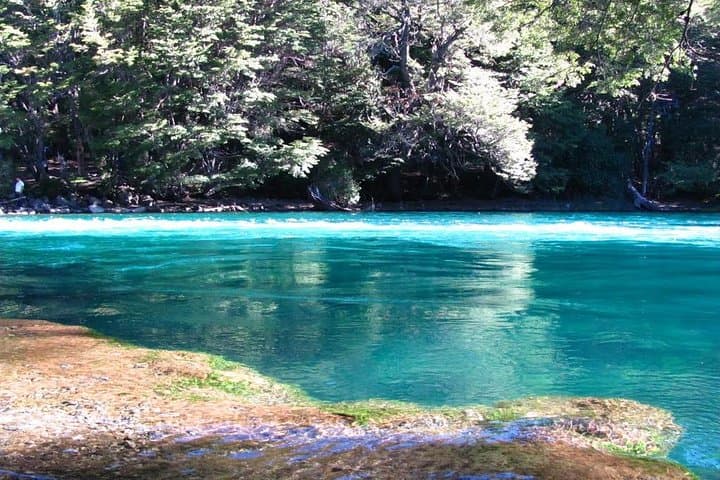
Within an hour the mountains close in: coihue and leng trees arch over the road, their trunks dark with spray, and the guide points out the glacial origin of the valley. The Manso’s clear water is carved in stages—wide, slow basins give way to rushing channels and then the Alerces Waterfall, where you step out onto a viewing platform and feel the river’s force as it throws itself off granite. You eat a boxed lunch while moss and wind rearrange the soundscape.
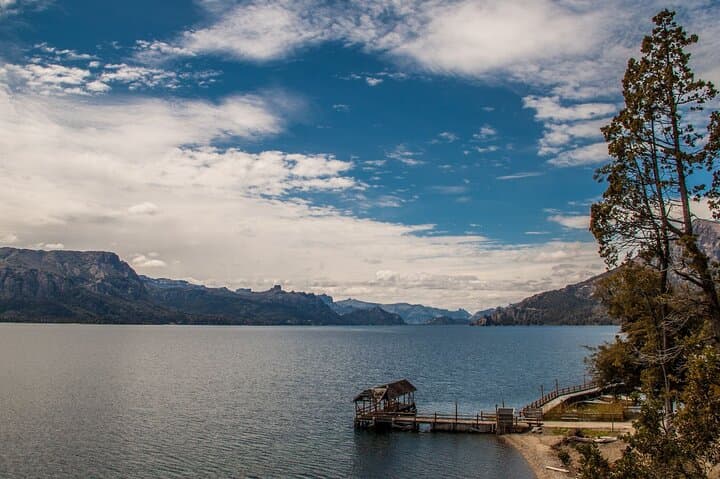
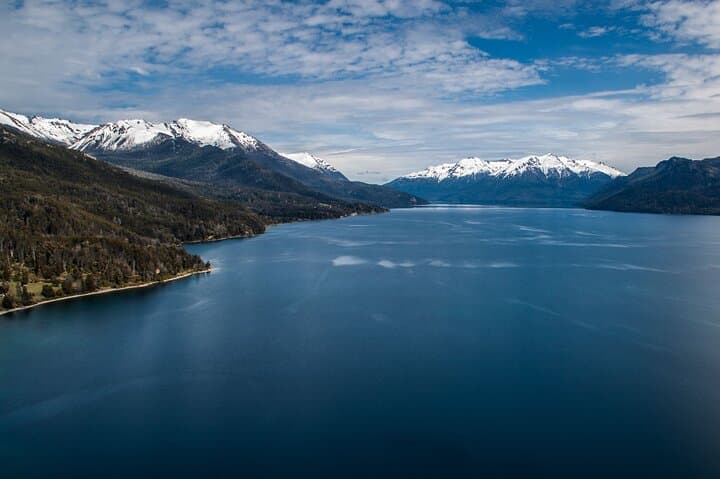
This corridor sits on the southern edge of Nahuel Huapi National Park, Argentina’s first national park (est. 1934), where volcanic lavas meet Pleistocene glaciers. The Mapuche people have traversed these valleys for centuries; later, European settlers and 20th-century park planners shaped access and protection. Geologically, the route reveals glacial scouring and moraine-filled basins that now host the region’s mosaic of lakes—Gutierrez, Mascardi, Hess, and the smaller Los Moscos—each a different blue, each reflecting light like a mood.
The tour is private and bilingual, intended as a mix of scenic driving and a focused nature hike of about 1h30 through dense Patagonian forest. Expect uneven dirt trails, exposed roots, and short steep sections: the hike rewards you with secluded viewpoints of river channels and lake edges. Guides emphasize local ecology—Alerce trees, birdlife, and the human history woven into park stewardship.
Practical details: total outing length is roughly seven hours with hotel pickup and drop-off in Bariloche; the guided hike is moderate and suitable for most active travelers. Bring sturdy, treaded footwear and layered clothing—the microclimate shifts quickly near waterfalls. The tour includes bottled water and a lunch box; there’s minimal cell service once you leave the town’s rim.
Timing matters: spring snowmelt swells the Manso and brightens waterfalls; summer offers warm air and long daylight; fall paints the forests in copper tones; winter brings cold, occasional road closures, and a different, quieter river. Respect park rules, carry out all waste, and keep distance from wildlife—the fragile huemul and river otters are rare and easily stressed.
For travelers who want a half-day of cinematic Patagonian riverscapes without logistic fuss, this private run along the Manso is a compact, well-curated encounter with the region’s water, wood, and stone.
moderate.
7 hours.
Suitable for travelers in average physical condition who can handle 1–2 hours of uneven, uphill walking.
The guided hike is about 1 hour 30 minutes on mostly natural trails with some short, steeper sections.
Yes—pickup and drop-off are included for selected centrally located Bariloche hotels; outside that area the operator will confirm a nearby meeting point.
Moderate fitness is recommended: you should be comfortable walking for up to two hours on uneven ground and handling short elevation changes.
A lunch box and bottled water are included; dietary requirements can be accommodated if requested at booking.
Yes—children are welcome, but parents should ensure youngsters are supervised on slippery trails and near the waterfall viewpoints.
The tour operates in most weather conditions—dress appropriately; extreme conditions or road issues may alter the itinerary but the private format allows flexible planning.
This corridor lies within Nahuel Huapi National Park, Argentina’s oldest national park (established 1934); Mapuche communities have long historical ties to these valleys.
Visitors should follow park rules to protect fragile alpine and riparian habitats; avoid single-use plastics and stay on designated trails to reduce erosion and disturbance.
Tangol operates guided outdoor trips and adventures with an emphasis on safety, stewardship, and memorable experiences.
A door opens in downtown Bariloche and a quiet, climate-controlled vehicle slides onto National Route 40. The town melts behind you and the road follows the Manso River’s course, which seems to tug the landscape downstream—pushing through basalt ribs, threading past glassy lakes, and announcing itself in the distant thunder of waterfalls.
A door opens in downtown Bariloche and a quiet, climate-controlled vehicle slides onto National Route 40. The town melts behind you and the road follows the Manso River’s course, which seems to tug the landscape downstream—pushing through basalt ribs, threading past glassy lakes, and announcing itself in the distant thunder of waterfalls.
Within an hour the mountains close in: coihue and leng trees arch over the road, their trunks dark with spray, and the guide points out the glacial origin of the valley. The Manso’s clear water is carved in stages—wide, slow basins give way to rushing channels and then the Alerces Waterfall, where you step out onto a viewing platform and feel the river’s force as it throws itself off granite. You eat a boxed lunch while moss and wind rearrange the soundscape.
This corridor sits on the southern edge of Nahuel Huapi National Park, Argentina’s first national park (est. 1934), where volcanic lavas meet Pleistocene glaciers. The Mapuche people have traversed these valleys for centuries; later, European settlers and 20th-century park planners shaped access and protection. Geologically, the route reveals glacial scouring and moraine-filled basins that now host the region’s mosaic of lakes—Gutierrez, Mascardi, Hess, and the smaller Los Moscos—each a different blue, each reflecting light like a mood.
The tour is private and bilingual, intended as a mix of scenic driving and a focused nature hike of about 1h30 through dense Patagonian forest. Expect uneven dirt trails, exposed roots, and short steep sections: the hike rewards you with secluded viewpoints of river channels and lake edges. Guides emphasize local ecology—Alerce trees, birdlife, and the human history woven into park stewardship.
Practical details: total outing length is roughly seven hours with hotel pickup and drop-off in Bariloche; the guided hike is moderate and suitable for most active travelers. Bring sturdy, treaded footwear and layered clothing—the microclimate shifts quickly near waterfalls. The tour includes bottled water and a lunch box; there’s minimal cell service once you leave the town’s rim.
Timing matters: spring snowmelt swells the Manso and brightens waterfalls; summer offers warm air and long daylight; fall paints the forests in copper tones; winter brings cold, occasional road closures, and a different, quieter river. Respect park rules, carry out all waste, and keep distance from wildlife—the fragile huemul and river otters are rare and easily stressed.
For travelers who want a half-day of cinematic Patagonian riverscapes without logistic fuss, this private run along the Manso is a compact, well-curated encounter with the region’s water, wood, and stone.