THE ADVENTURE COLLECTIVE® · Independent discovery and booking for outdoor travel

Explore Kanazawa at your own pace with a private, tailor-made walking tour. Visit Kenrokuen, browse Omicho Market, and let a local guide shape a day around your interests.
Explore Kanazawa at your own pace with a private, tailor-made walking tour. Visit Kenrokuen, browse Omicho Market, and let a local guide shape a day around your interests.
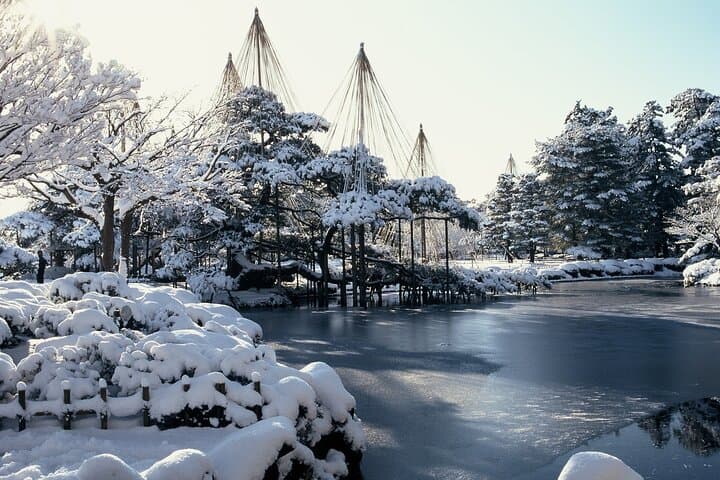
Morning light falls across polished stone and pond—Kenrokuen’s pines breathe and the koi circle like small, deliberate worlds. On a private, personalized tour of Kanazawa you move at a measured pace: through garden paths that curve to reveal framed views, along old town lanes where wooden façades watch the street, and into a market that hums with the clatter and scent of fresh seafood.
Verified experiences and guided adventures in the surrounding area.
Operated by Field Trip+ · Kanazawa, Ishikawa
Morning light falls across polished stone and pond—Kenrokuen’s pines breathe and the koi circle like small, deliberate worlds. On a private, personalized tour of Kanazawa you move at a measured pace: through garden paths that curve to reveal framed views, along old town lanes where wooden façades watch the street, and into a market that hums with the clatter and scent of fresh seafood.
Kanazawa’s story is visible in its geography and urban fabric. Built on an alluvial plain between the Sea of Japan and the surrounding mountains, the city grew under the Kaga Domain and the Maeda clan, whose patronage shaped the grand garden and Edo-period districts. The geology of the region—fertile river deposits and a coastal climate—helped spawn a prosperous mercantile and crafts culture: gold leaf studios, lacquerware, and tea-house traditions endure here.
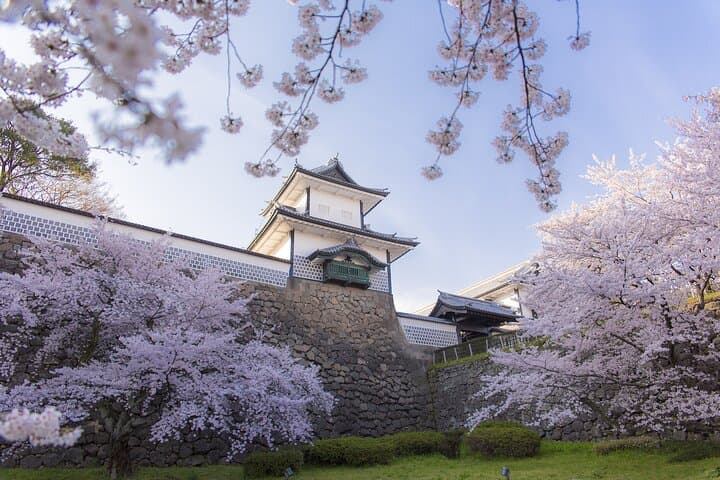
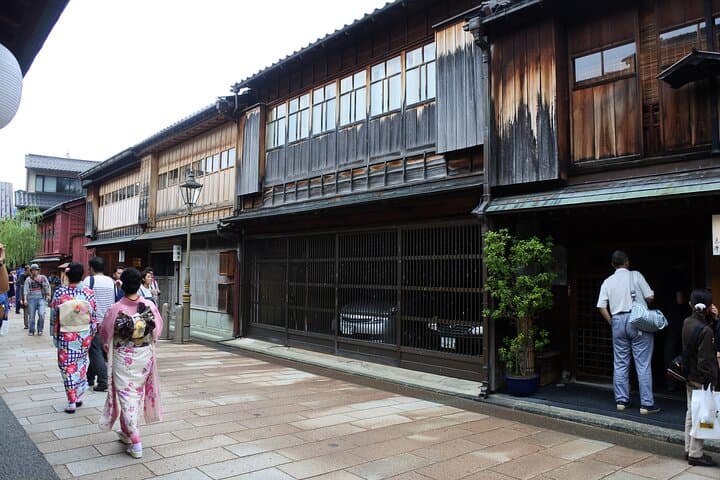
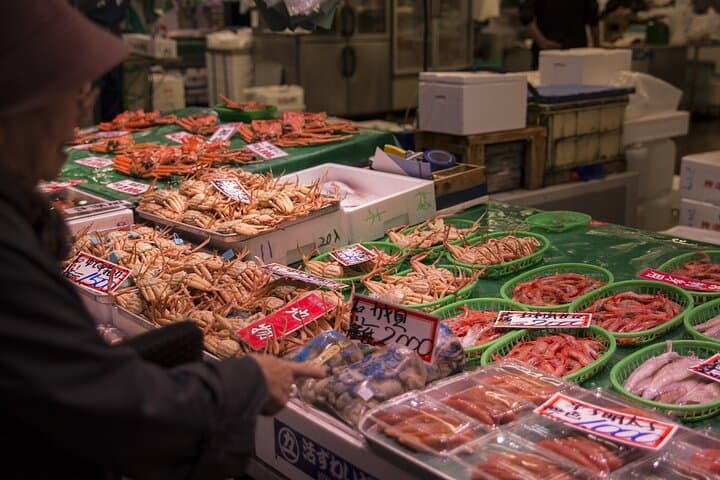
Culturally, the city rewards slow attention: listen for the tap of geta in Higashi Chaya, watch fishers unload at Omicho Market, and ask a guide about the hidden defensive quirks of Kanazawa Castle.
Practical guidance: plan for roughly six hours of walking with intermittent stops; admissions to museums and certain temples are generally not included. Bring comfortable shoes, a compact umbrella in rainy seasons, and cash for small shops and market snacks. Morning light is best for Kenrokuen; late afternoon eases crowds in the tea districts. With a private guide you can tailor the day to art, history, food or photography—so decide your priorities before you step out.
moderate.
5–6 hours.
Moderate fitness required—comfortable walking for several hours, ability to climb short staircases and stand through exhibits.
Most museum and garden admissions are not included; the itinerary notes that admissions are separate—confirm with your guide before the tour.
Lunch and guide transportation are listed among inclusions in some offerings; check your booking details to confirm whether a market lunch is covered or if it’s pay-as-you-go.
The tour can be customized for accessibility—contact the operator in advance to arrange routes and, if needed, a private van or support for mobility devices.
Yes—this private tour is personalized, so you can prioritize art museums, samurai districts, tea houses, or market food experiences when booking.
Kanazawa flourished under the Maeda clan during the Edo period, becoming a cultural center noted for crafts and garden design.
Kenrokuen and other historic sites are actively managed to limit visitor impact; follow trail markers, avoid feeding wildlife, and use designated paths to protect plantings.
Field Trip+ operates guided outdoor trips and adventures with an emphasis on safety, stewardship, and memorable experiences.
Morning light falls across polished stone and pond—Kenrokuen’s pines breathe and the koi circle like small, deliberate worlds. On a private, personalized tour of Kanazawa you move at a measured pace: through garden paths that curve to reveal framed views, along old town lanes where wooden façades watch the street, and into a market that hums with the clatter and scent of fresh seafood.
Morning light falls across polished stone and pond—Kenrokuen’s pines breathe and the koi circle like small, deliberate worlds. On a private, personalized tour of Kanazawa you move at a measured pace: through garden paths that curve to reveal framed views, along old town lanes where wooden façades watch the street, and into a market that hums with the clatter and scent of fresh seafood.
Kanazawa’s story is visible in its geography and urban fabric. Built on an alluvial plain between the Sea of Japan and the surrounding mountains, the city grew under the Kaga Domain and the Maeda clan, whose patronage shaped the grand garden and Edo-period districts. The geology of the region—fertile river deposits and a coastal climate—helped spawn a prosperous mercantile and crafts culture: gold leaf studios, lacquerware, and tea-house traditions endure here.
Culturally, the city rewards slow attention: listen for the tap of geta in Higashi Chaya, watch fishers unload at Omicho Market, and ask a guide about the hidden defensive quirks of Kanazawa Castle.
Practical guidance: plan for roughly six hours of walking with intermittent stops; admissions to museums and certain temples are generally not included. Bring comfortable shoes, a compact umbrella in rainy seasons, and cash for small shops and market snacks. Morning light is best for Kenrokuen; late afternoon eases crowds in the tea districts. With a private guide you can tailor the day to art, history, food or photography—so decide your priorities before you step out.