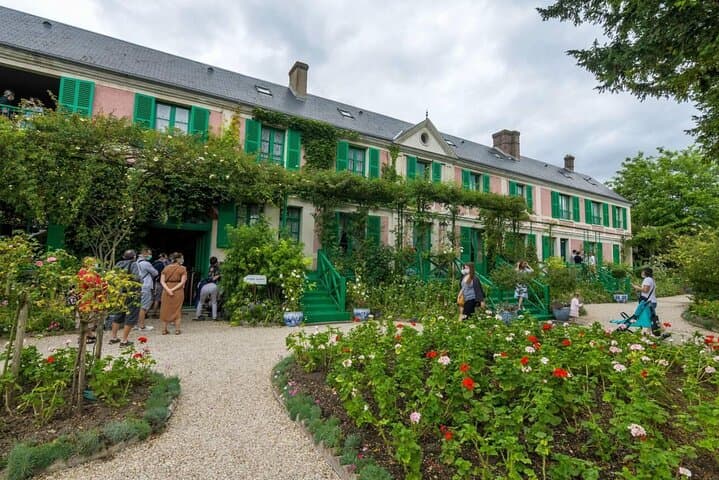
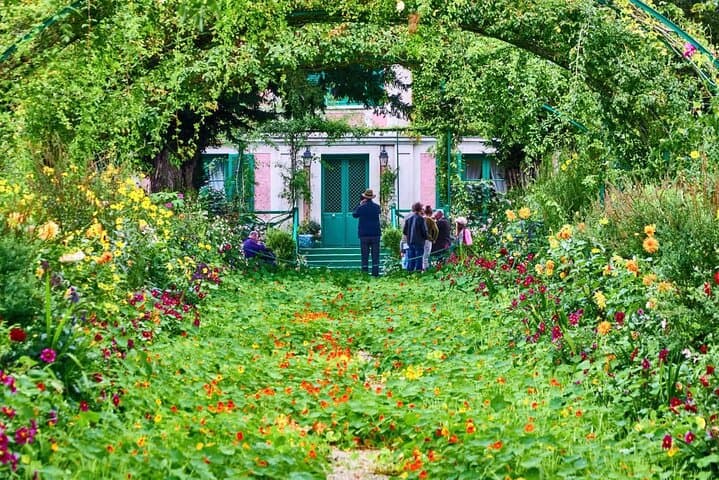
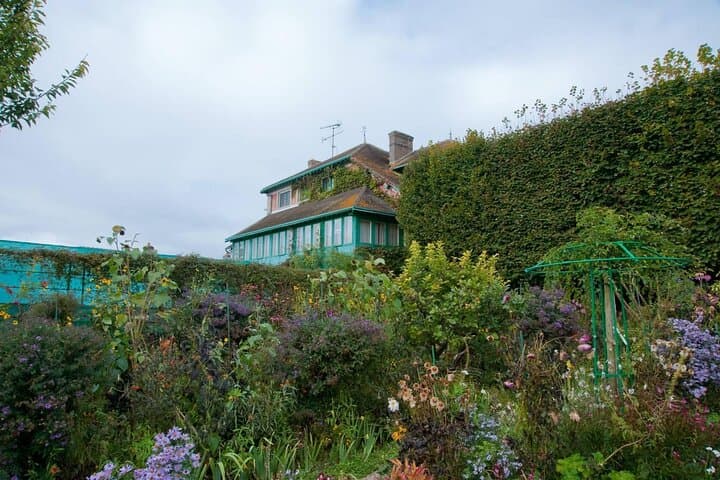
You step from the private car onto a lane flanked by hedges and bright beds; damp earth and roses rise as the guide leads toward a low, pale-green house.
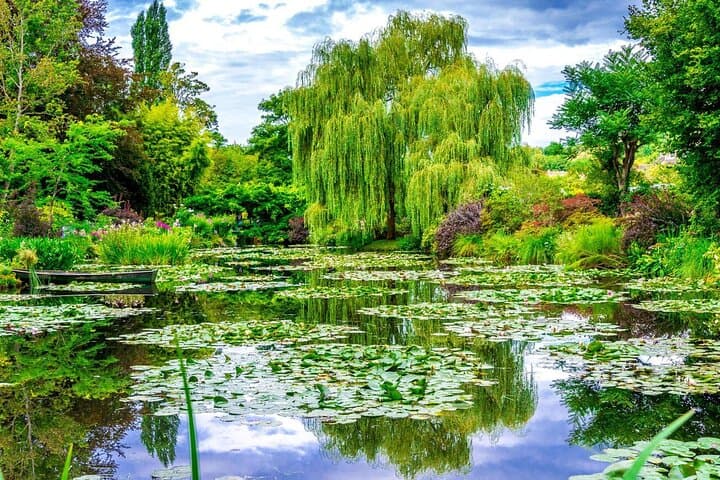
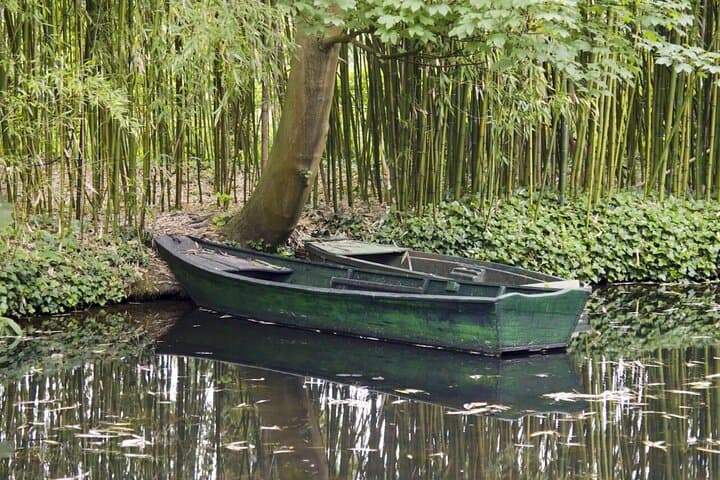
Giverny sits on the Seine’s floodplain, where clay and alluvium collect moisture in a narrow basin Monet converted into ponds, willow stands and reflecting channels.
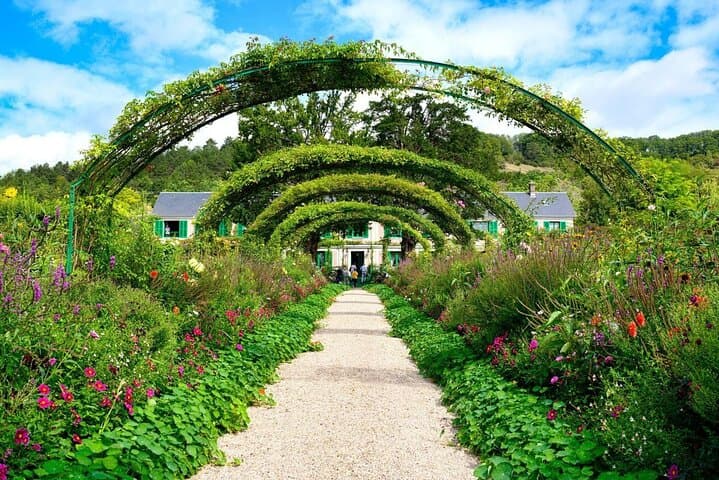
Monet moved here in 1883 and arranged water, bridge and planting to stage light and color; the Japanese prints he collected shaped composition, while local growers supplied unusual plants.
The village has long hosted artists; small galleries and cafes line the main street, and Monet’s house preserves personal objects and a light-filled studio that reveal his working life.
Expect compacted gravel paths, short wooden boardwalks and gentle slopes with minimal climb; the itinerary allocates about 90 minutes in the water garden, 90 minutes in the house and time for a village stroll.
Practical guidance: aim for early morning to catch soft light and avoid crowds, or late afternoon for quieter views; wear water-resistant shoes for damp boardwalks and a light layer for river breezes.
Bring sun protection, a small water bottle and a compact camera; respect planting borders and no-flash photography rules inside the house.
The tour includes private transport and skip-the-line access to the gardens, but Vernon is the nearest rail station for independent arrivals and Paris is roughly an hour away by car.
Move slowly — the lilies and bridge often seem to shift under changing light, and patience yields the best frames, too.