THE ADVENTURE COLLECTIVE® · Independent discovery and booking for outdoor travel

Swap Split’s shoreline for a day among cascading aquamarine pools on a private Plitvice Lakes tour. This full-day trip pairs efficient transport with an official guide so you can cover Upper and Lower Lakes, the Kozjak boat crossing, and the Great Waterfall in one immersive day.
Swap Split’s shoreline for a day among cascading aquamarine pools on a private Plitvice Lakes tour. This full-day trip pairs efficient transport with an official guide so you can cover Upper and Lower Lakes, the Kozjak boat crossing, and the Great Waterfall in one immersive day.
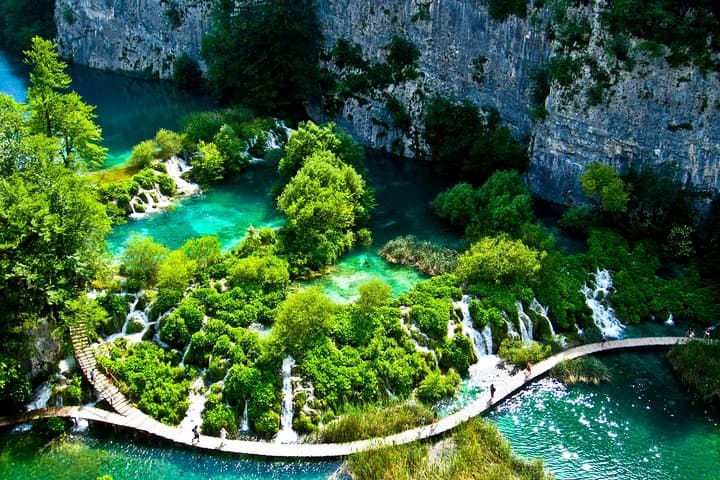
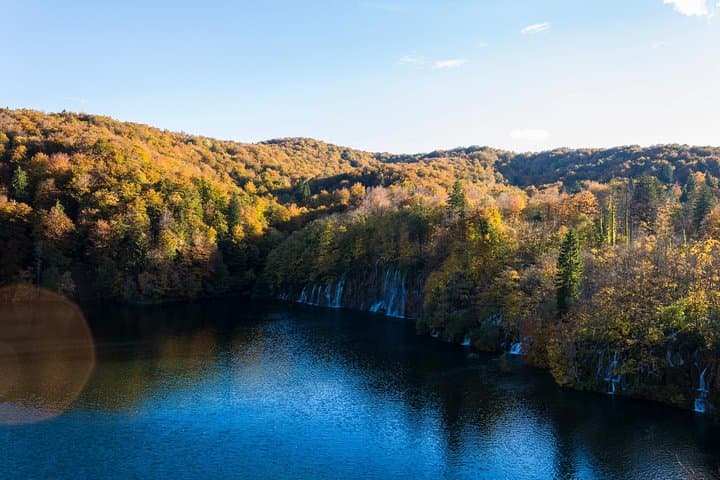
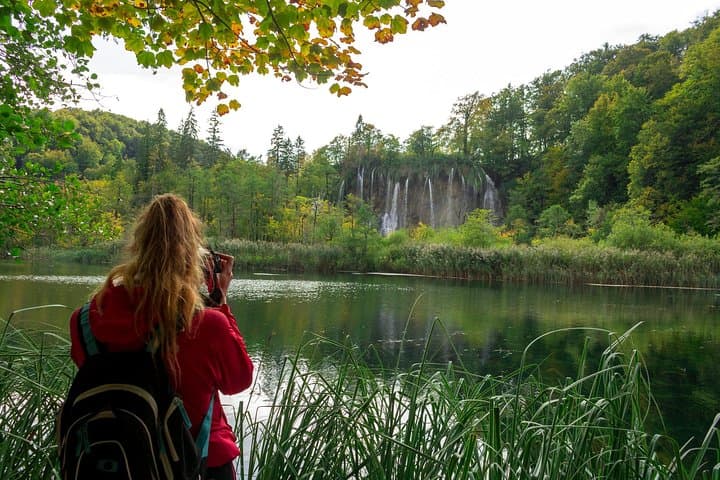
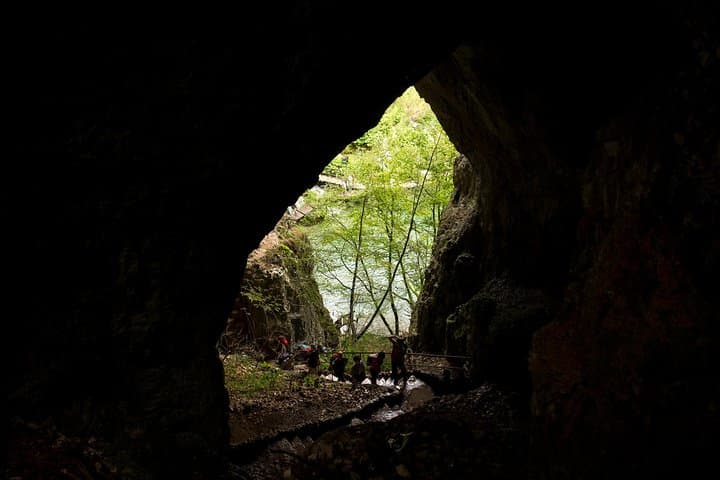
There’s a moment on the wooden boardwalk where the air changes: the thud of tires and the Mediterranean heat evaporate behind you, replaced by the cool, mineral-scented breath of Plitvice. On a private full-day tour from Split, travelers trade the Adriatic’s salt-slick breeze for the steady hiss of waterfalls — a chain of aquamarine lakes stepping down a karst slope until they spill into the 78-meter Great Waterfall.
Verified experiences and guided adventures in the surrounding area.
Operated by Pelican Tours Split · Plitvička Jezera, Lika-Senj County
There’s a moment on the wooden boardwalk where the air changes: the thud of tires and the Mediterranean heat evaporate behind you, replaced by the cool, mineral-scented breath of Plitvice. On a private full-day tour from Split, travelers trade the Adriatic’s salt-slick breeze for the steady hiss of waterfalls — a chain of aquamarine lakes stepping down a karst slope until they spill into the 78-meter Great Waterfall.
Plitvice Lakes is a landscape shaped by limestone and time. Travertine (tufa) dams build themselves across streams as calcium carbonate precipitates from moving water; the park’s terraced pools are, in geological terms, still being written. Designated a UNESCO World Heritage site in 1979, the reserve has long drawn naturalists and photographers who want to witness water actively making land.
Culturally, Plitvice sits at a crossroads. The lakes lie in Lika-Senj County, an inland realm of shepherding traditions and wartime history; the park’s modern management balances tourism with habitat protection, and a private tour from Split gives context beyond the wooden pathways — local stories, seasonal behavior of the park, and practical route choices.
On a typical private itinerary you’ll depart Split early (roughly a 2.5–3 hour drive, about 260 km), arrive mid-morning, and move through the Lower and Upper Lakes on an 8–10 km loop that mixes boardwalks, footpaths, one short boat crossing on Kozjak Lake (about 10–15 minutes), and viewpoints onto Veliki Slap (Great Waterfall). Expect modest elevation changes (100–200 m overall) but lots of steps and uneven planks.
Practicalities matter: admission to the national park is usually not included in this tour price and must be purchased separately or prebooked during high season. The private option includes air-conditioned transport, an official guide, hotel pickup and drop-off in Split, and flexibility to tailor stops and pace. Travelers should plan a full day — the operator lists 8–12 hours for the transfer and exploration combined.
To get the most from the visit, go early or late to avoid the midday crowd surge; overcast light intensifies the lakes’ colors. Stay on marked boardwalks — the travertine is fragile, and stepping off-trail damages formations that took centuries to form. Bring layers, waterproof shoes, and a camera with a polarizer if you care about reflections.
A private Plitvice day trip from Split is not just a photo op; it’s a guided translation of landscape — geology, ecology, and local history — rendered accessible by a driver who handles the long road and a guide who reads the lakes like a map. For first-time visitors pressed for time in Croatia, it’s the most efficient way to stand where water keeps making earth.
moderate.
8–12 hours.
Moderate — comfortable walking fitness for multi-hour hikes with stairs and uneven surfaces
No — admission to Plitvice Lakes is typically not included; purchase tickets in advance online or pay on arrival, especially during summer.
Expect roughly 2.5–3 hours each way (about 260 km) depending on traffic and stops.
Meals are not included; your tour may stop for lunch near the park or you can bring snacks; restaurants near park entrances are available seasonally.
The route includes boardwalks and steps — families and active older adults can do it, but those with mobility issues should request an easier itinerary or shorter route.
No — swimming is prohibited to protect the delicate travertine formations and water quality.
Guides usually speak English and may offer other languages depending on the operator; confirm language availability when booking.
Plitvice was protected under several conservation laws and became a UNESCO World Heritage Site in 1979, recognized for its active travertine formation and intact ecosystems.
The park limits off-boardwalk access and caps visitor numbers in peak months to protect fragile travertine barriers; follow local guidance and pack out waste.
Pelican Tours Split operates guided outdoor trips and adventures with an emphasis on safety, stewardship, and memorable experiences.
There’s a moment on the wooden boardwalk where the air changes: the thud of tires and the Mediterranean heat evaporate behind you, replaced by the cool, mineral-scented breath of Plitvice. On a private full-day tour from Split, travelers trade the Adriatic’s salt-slick breeze for the steady hiss of waterfalls — a chain of aquamarine lakes stepping down a karst slope until they spill into the 78-meter Great Waterfall.
There’s a moment on the wooden boardwalk where the air changes: the thud of tires and the Mediterranean heat evaporate behind you, replaced by the cool, mineral-scented breath of Plitvice. On a private full-day tour from Split, travelers trade the Adriatic’s salt-slick breeze for the steady hiss of waterfalls — a chain of aquamarine lakes stepping down a karst slope until they spill into the 78-meter Great Waterfall.
Plitvice Lakes is a landscape shaped by limestone and time. Travertine (tufa) dams build themselves across streams as calcium carbonate precipitates from moving water; the park’s terraced pools are, in geological terms, still being written. Designated a UNESCO World Heritage site in 1979, the reserve has long drawn naturalists and photographers who want to witness water actively making land.
Culturally, Plitvice sits at a crossroads. The lakes lie in Lika-Senj County, an inland realm of shepherding traditions and wartime history; the park’s modern management balances tourism with habitat protection, and a private tour from Split gives context beyond the wooden pathways — local stories, seasonal behavior of the park, and practical route choices.
On a typical private itinerary you’ll depart Split early (roughly a 2.5–3 hour drive, about 260 km), arrive mid-morning, and move through the Lower and Upper Lakes on an 8–10 km loop that mixes boardwalks, footpaths, one short boat crossing on Kozjak Lake (about 10–15 minutes), and viewpoints onto Veliki Slap (Great Waterfall). Expect modest elevation changes (100–200 m overall) but lots of steps and uneven planks.
Practicalities matter: admission to the national park is usually not included in this tour price and must be purchased separately or prebooked during high season. The private option includes air-conditioned transport, an official guide, hotel pickup and drop-off in Split, and flexibility to tailor stops and pace. Travelers should plan a full day — the operator lists 8–12 hours for the transfer and exploration combined.
To get the most from the visit, go early or late to avoid the midday crowd surge; overcast light intensifies the lakes’ colors. Stay on marked boardwalks — the travertine is fragile, and stepping off-trail damages formations that took centuries to form. Bring layers, waterproof shoes, and a camera with a polarizer if you care about reflections.
A private Plitvice day trip from Split is not just a photo op; it’s a guided translation of landscape — geology, ecology, and local history — rendered accessible by a driver who handles the long road and a guide who reads the lakes like a map. For first-time visitors pressed for time in Croatia, it’s the most efficient way to stand where water keeps making earth.