THE ADVENTURE COLLECTIVE® · Independent discovery and booking for outdoor travel

Escape Tokyo for a day on a private, English-guided drive to Hakone and Mount Fuji: steam vents, a lakeside torii, ropeway panoramas and optional outlet shopping—timed to maximize views and minimize lines.
Escape Tokyo for a day on a private, English-guided drive to Hakone and Mount Fuji: steam vents, a lakeside torii, ropeway panoramas and optional outlet shopping—timed to maximize views and minimize lines.
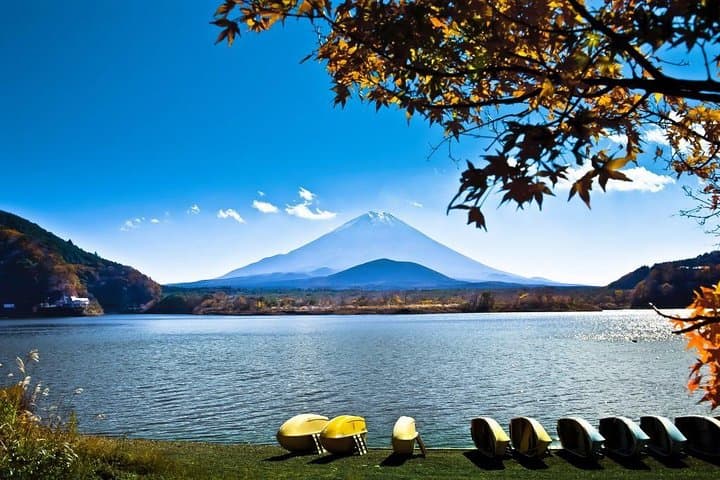
By the time the van slips out of Tokyo’s grid of concrete and neon, the city’s noise thins to a hum and the windshield frames a different world: low hills, cedar copses, and the distant cone of Mount Fuji holding court over the horizon. A private driver—comfortable, English-speaking, and keyed to local rhythms—steers toward Hakone, where volcanic steam, a crater lake, and a centuries-old shrine line up like chapters of the same landscape.
Verified experiences and guided adventures in the surrounding area.
Operated by BANZAI · Hakone, Kanagawa
By the time the van slips out of Tokyo’s grid of concrete and neon, the city’s noise thins to a hum and the windshield frames a different world: low hills, cedar copses, and the distant cone of Mount Fuji holding court over the horizon. A private driver—comfortable, English-speaking, and keyed to local rhythms—steers toward Hakone, where volcanic steam, a crater lake, and a centuries-old shrine line up like chapters of the same landscape.
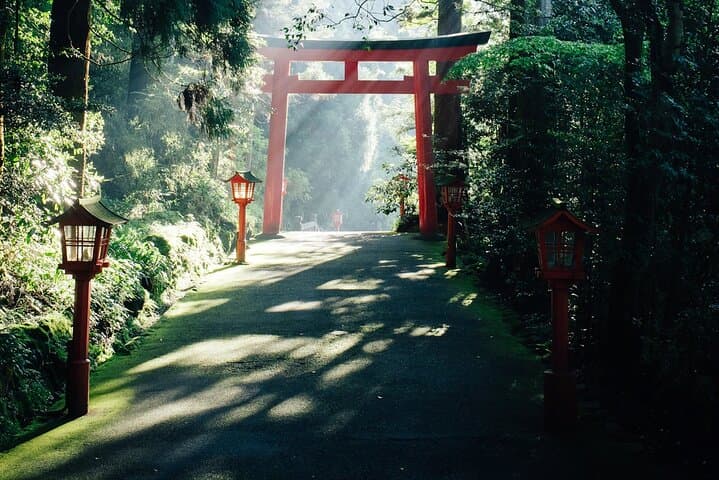
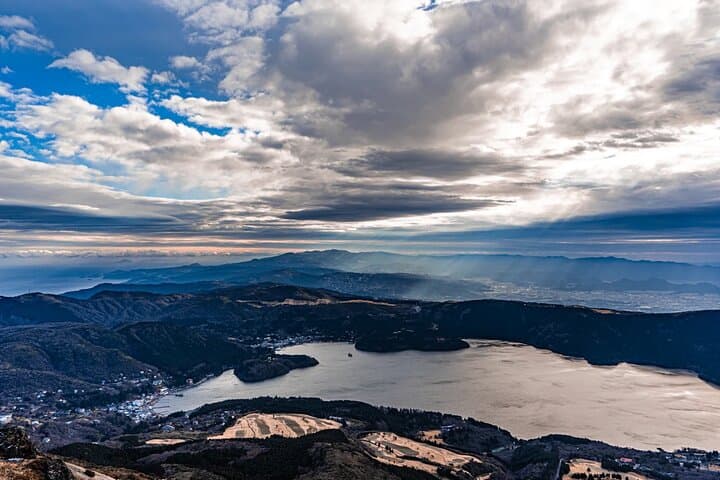
The route follows a corridor used since the Edo period by travelers bound for Kyoto; Hakone itself was an important checkpoint on the Tokaido road. Geologically, the area is a collapsed caldera—Owakudani’s sulfur vents are the surface expression of a system that shaped the region’s steep ridgelines and the tear-drop basin now occupied by Lake Ashi. Culturally, the red torii rising from the lake near Hakone Shrine anchors centuries of pilgrim practice and modern photography alike.
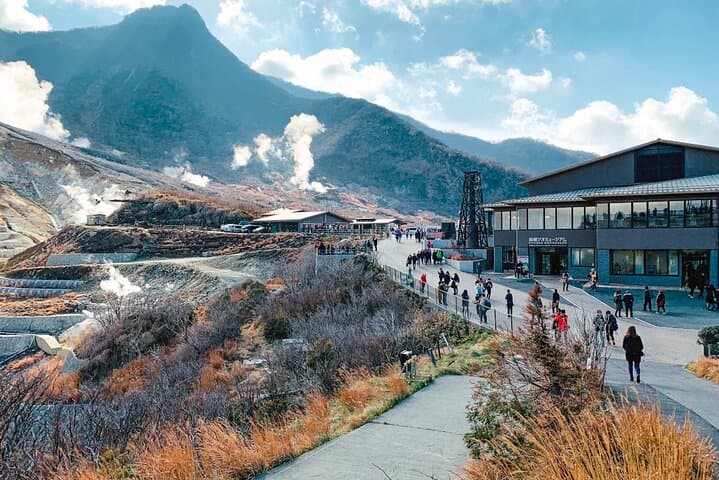
A private day charter makes all of this accessible without the logistics friction: the driver times pickups to avoid peak congestion where possible, drops guests at the lakeside torii for the classic shot, and routes the Hakone Ropeway so the gondola frames Fuji between steam plumes and ridge lines. Owakudani’s black eggs—eggs boiled in sulfur-rich hot springs—offer a small cultural ritual; the scent of sulfur is strong and the terrain is raw, with boardwalks that limit access for safety and conservation.
Time and tide matter: visibility for Fuji is fickle, often giving up its silhouette in the clearest morning hours or late afternoon light. The Lake Ashi cruise adds a slow, cinematic interlude—timed for a calm stretch of water and wide-angle views back to the peaks. For travelers who want shopping, Gotemba Premium Outlets sits under Fuji’s face; it’s convenient but best as an optional, late-afternoon stop when fatigue and daylight permit.
Practical guide: expect an 8–10 hour outing with pick-up in central Tokyo at 8:00 a.m.; one-way driving is roughly 90–120 minutes depending on traffic (about 80–90 km). The tour covers paved roads, short walks at viewpoints and boardwalked volcanic zones; a moderate fitness level is recommended. Bring layered clothing for a 300–500 m change in altitude on the ropeway, a camera with a wide lens, and cash or an IC transit card for incidental purchases. Bottled water and an air-conditioned vehicle are provided; infant seats can be arranged.
This is a travel day that trades long lines for a curated sequence of landscapes—steam daring you to step closer, a lake holding the reflection of a mountain, and a quiet shrine that still registers the slow gravity of centuries.
moderate.
8–10 hours.
Moderate—able to handle multiple short walks, stairs and standing during short excursions
Expect about 90–120 minutes one-way depending on traffic; pickups are typically scheduled for 8:00 a.m.
Admissions for ropeway, pirate cruise, Owakudani and museums are typically not included—check the itinerary and bring cash or cards.
Yes—this private charter is flexible; discuss priorities with your driver ahead of time to re-order stops within the day’s timeframe.
Yes, but visibility depends on weather; mornings and late afternoons offer the best odds—your driver will time stops accordingly.
Infant seats are available and the vehicle is pram-accessible, but some sites (Owakudani boardwalks, shrine stairs) have limited accessibility.
Full refunds are available for cancellations made at least 24 hours before departure; within 24 hours bookings are non-refundable.
Hakone was a strategic checkpoint on the Edo-period Tokaido highway; travelers passed through the area for centuries en route between Tokyo and Kyoto.
Owakudani’s geothermal environment is fragile—stay on boardwalks, avoid litter, and follow on-site signage to minimize impact.
BANZAI operates guided outdoor trips and adventures with an emphasis on safety, stewardship, and memorable experiences.
By the time the van slips out of Tokyo’s grid of concrete and neon, the city’s noise thins to a hum and the windshield frames a different world: low hills, cedar copses, and the distant cone of Mount Fuji holding court over the horizon. A private driver—comfortable, English-speaking, and keyed to local rhythms—steers toward Hakone, where volcanic steam, a crater lake, and a centuries-old shrine line up like chapters of the same landscape.
By the time the van slips out of Tokyo’s grid of concrete and neon, the city’s noise thins to a hum and the windshield frames a different world: low hills, cedar copses, and the distant cone of Mount Fuji holding court over the horizon. A private driver—comfortable, English-speaking, and keyed to local rhythms—steers toward Hakone, where volcanic steam, a crater lake, and a centuries-old shrine line up like chapters of the same landscape.
The route follows a corridor used since the Edo period by travelers bound for Kyoto; Hakone itself was an important checkpoint on the Tokaido road. Geologically, the area is a collapsed caldera—Owakudani’s sulfur vents are the surface expression of a system that shaped the region’s steep ridgelines and the tear-drop basin now occupied by Lake Ashi. Culturally, the red torii rising from the lake near Hakone Shrine anchors centuries of pilgrim practice and modern photography alike.
A private day charter makes all of this accessible without the logistics friction: the driver times pickups to avoid peak congestion where possible, drops guests at the lakeside torii for the classic shot, and routes the Hakone Ropeway so the gondola frames Fuji between steam plumes and ridge lines. Owakudani’s black eggs—eggs boiled in sulfur-rich hot springs—offer a small cultural ritual; the scent of sulfur is strong and the terrain is raw, with boardwalks that limit access for safety and conservation.
Time and tide matter: visibility for Fuji is fickle, often giving up its silhouette in the clearest morning hours or late afternoon light. The Lake Ashi cruise adds a slow, cinematic interlude—timed for a calm stretch of water and wide-angle views back to the peaks. For travelers who want shopping, Gotemba Premium Outlets sits under Fuji’s face; it’s convenient but best as an optional, late-afternoon stop when fatigue and daylight permit.
Practical guide: expect an 8–10 hour outing with pick-up in central Tokyo at 8:00 a.m.; one-way driving is roughly 90–120 minutes depending on traffic (about 80–90 km). The tour covers paved roads, short walks at viewpoints and boardwalked volcanic zones; a moderate fitness level is recommended. Bring layered clothing for a 300–500 m change in altitude on the ropeway, a camera with a wide lens, and cash or an IC transit card for incidental purchases. Bottled water and an air-conditioned vehicle are provided; infant seats can be arranged.
This is a travel day that trades long lines for a curated sequence of landscapes—steam daring you to step closer, a lake holding the reflection of a mountain, and a quiet shrine that still registers the slow gravity of centuries.