THE ADVENTURE COLLECTIVE® · Independent discovery and booking for outdoor travel

Walk 1.5 miles through three centuries of New Orleans history with a licensed local guide. This private 2–3 hour tour mixes architecture, politics, and street stories while navigating the Quarter’s uneven sidewalks and lively streets.
Walk 1.5 miles through three centuries of New Orleans history with a licensed local guide. This private 2–3 hour tour mixes architecture, politics, and street stories while navigating the Quarter’s uneven sidewalks and lively streets.
You meet under the Tableau restaurant sign where the smell of roasted chicory and the distant slap of river water set the tempo. The French Quarter unfurls in front of you: narrow streets paved in worn brick, ironwork balconies that have seen riots and revelry, and magnolia trees that shade courtyards like conspiring elders. Your guide steps forward with a practiced half-smile; the neighborhood responds — a brass band pauses, a café door swings open, a pigeon claims a windowsill — and the tour begins.
Verified experiences and guided adventures in the surrounding area.
Operated by New Orleans Private Tours · New Orleans, Louisiana
You meet under the Tableau restaurant sign where the smell of roasted chicory and the distant slap of river water set the tempo. The French Quarter unfurls in front of you: narrow streets paved in worn brick, ironwork balconies that have seen riots and revelry, and magnolia trees that shade courtyards like conspiring elders. Your guide steps forward with a practiced half-smile; the neighborhood responds — a brass band pauses, a café door swings open, a pigeon claims a windowsill — and the tour begins.
This is a walk that compresses three centuries into 1.5 miles. Founded in 1718 on a low ribbon of alluvial soil left by the Mississippi, the Quarter’s fabric is an odd marriage of French lots and Spanish rebuilding after the great fires of the late 18th century. Here, façades tell stories of colonial land grants, trade with the Caribbean, and the contested handover made official with the Louisiana Purchase.
Geology and urban engineering thread through the narrative: the ground itself has a voice. Much of the city perches on backfilled wetlands, which explains raised doorways, creaky structures, and the constant effort to keep water — the river, the storms, the tides — at bay. Your guide will point out the ironwork patterns that mark Creole craftsmanship and the odd angles where Spanish regulations reshaped a French plan.
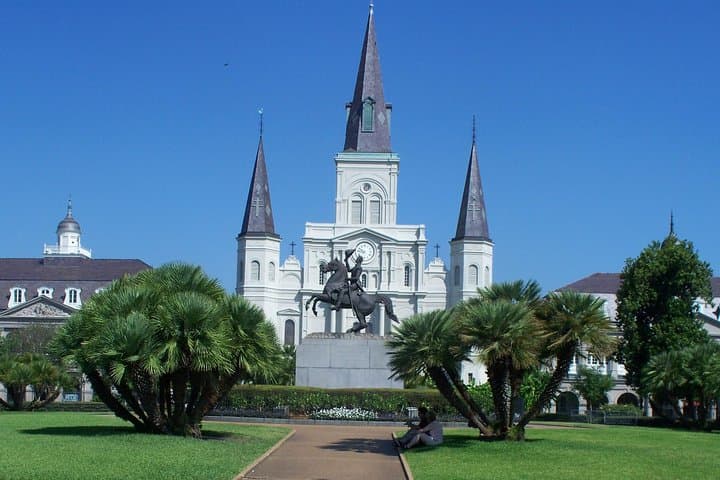
Culture is immediate. Stops include Jackson Square, where artists and tarot readers trade space with a stoic cathedral; the oldest U.S. cathedral, a study in layered restorations; and Exchange Alley, where decisions after the Louisiana Purchase created new civic tensions. You’ll hear about the first licensed pharmacy, the Bevelo gas light makers, and the household dramas of Royal Street mansions. These are stories told as conversation, not a lecture—local perspective trumps textbook chronology.
Practicalities arrive with the cadence of the street. Expect uneven sidewalks and frequent steps; the tour is rated moderate and lasts roughly 2–3 hours. The route is about 1.5 miles but stops wind into deeper dives that can stretch time. Groups are private and limited (maximum four per booking), so the guide can tailor content and pace.
Before you book, call the guide to confirm time and any post-COVID adjustments. Dress smart-casual but choose shoes that can handle cobbles and puddles. Bring water, sun protection, and a light rain layer in summer. If you want photos, sunrise and late afternoon light are both forgiving and dramatic. Above all, come ready to walk, ask questions, and listen—this quarter has been speaking for three centuries and it rewards those who pay attention.
moderate.
2–3 hours.
Moderate level of fitness: you’ll be on your feet for extended periods with several short, standing history stops.
Yes—bookings are for private groups (maximum of 4 per booking); additional visitors increase cost and should be discussed with the guide.
Meet under the Tableau Restaurant sign at St. Peter and Chartres Streets; the tour returns to the same location unless otherwise arranged.
The operator lists the tour as wheelchair accessible, but sidewalks are uneven—contact the guide in advance to confirm route specifics and accommodations.
About 1.5 miles total with many stops; expect 2–3 hours of standing and walking at a moderate pace.
Infants are allowed but must sit on laps; service animals are permitted. Strollers are possible but may be challenging on cobbles.
Full refunds are available if you cancel at least 24 hours before the scheduled departure; less than 24 hours is non-refundable.
The French Quarter dates to 1718 and reflects layered French and Spanish influences after rebuilding following major fires in the late 1700s.
Preservation groups actively defend the Quarter’s historic fabric; visitors help by supporting local businesses, staying on sidewalks, and avoiding damage to ironwork and courtyards.
New Orleans Private Tours operates guided outdoor trips and adventures with an emphasis on safety, stewardship, and memorable experiences.
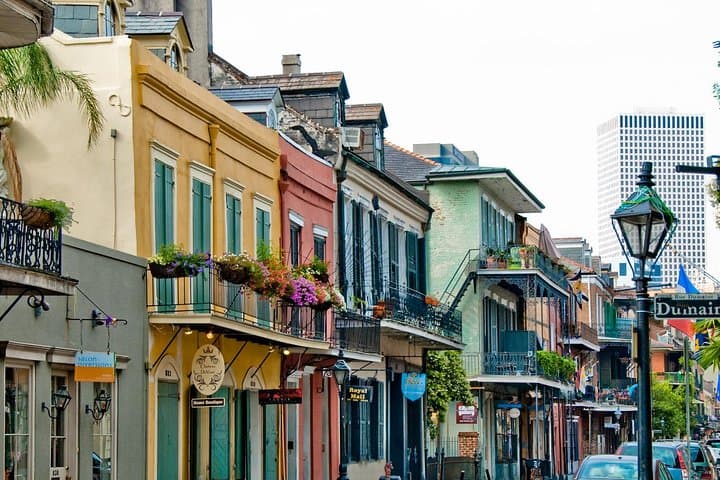
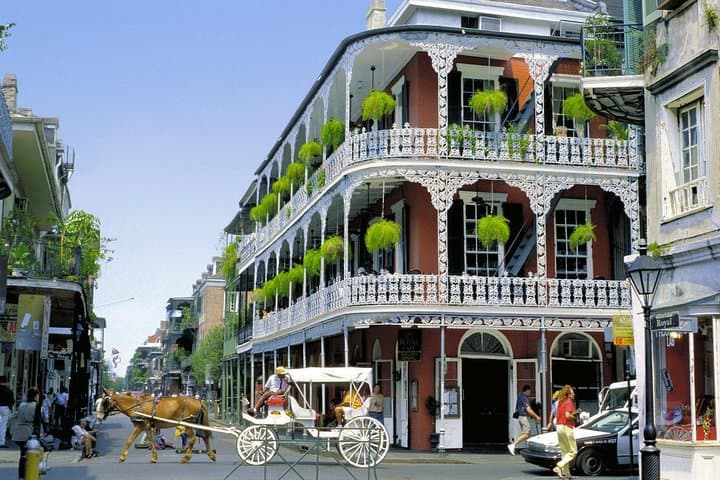
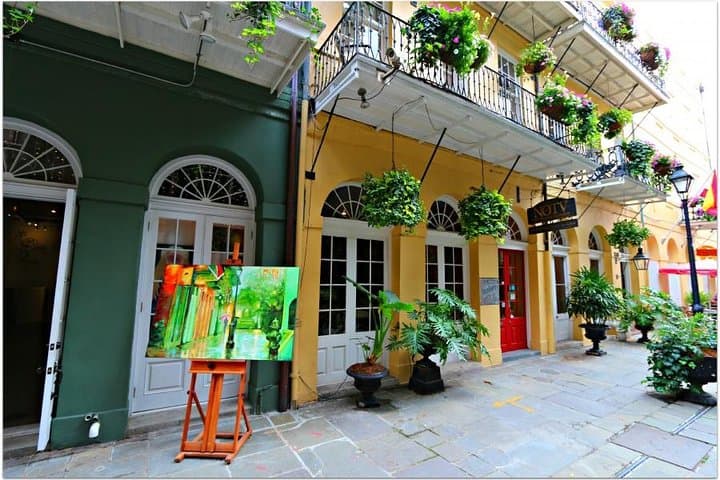
You meet under the Tableau restaurant sign where the smell of roasted chicory and the distant slap of river water set the tempo. The French Quarter unfurls in front of you: narrow streets paved in worn brick, ironwork balconies that have seen riots and revelry, and magnolia trees that shade courtyards like conspiring elders. Your guide steps forward with a practiced half-smile; the neighborhood responds — a brass band pauses, a café door swings open, a pigeon claims a windowsill — and the tour begins.
You meet under the Tableau restaurant sign where the smell of roasted chicory and the distant slap of river water set the tempo. The French Quarter unfurls in front of you: narrow streets paved in worn brick, ironwork balconies that have seen riots and revelry, and magnolia trees that shade courtyards like conspiring elders. Your guide steps forward with a practiced half-smile; the neighborhood responds — a brass band pauses, a café door swings open, a pigeon claims a windowsill — and the tour begins.
This is a walk that compresses three centuries into 1.5 miles. Founded in 1718 on a low ribbon of alluvial soil left by the Mississippi, the Quarter’s fabric is an odd marriage of French lots and Spanish rebuilding after the great fires of the late 18th century. Here, façades tell stories of colonial land grants, trade with the Caribbean, and the contested handover made official with the Louisiana Purchase.
Geology and urban engineering thread through the narrative: the ground itself has a voice. Much of the city perches on backfilled wetlands, which explains raised doorways, creaky structures, and the constant effort to keep water — the river, the storms, the tides — at bay. Your guide will point out the ironwork patterns that mark Creole craftsmanship and the odd angles where Spanish regulations reshaped a French plan.
Culture is immediate. Stops include Jackson Square, where artists and tarot readers trade space with a stoic cathedral; the oldest U.S. cathedral, a study in layered restorations; and Exchange Alley, where decisions after the Louisiana Purchase created new civic tensions. You’ll hear about the first licensed pharmacy, the Bevelo gas light makers, and the household dramas of Royal Street mansions. These are stories told as conversation, not a lecture—local perspective trumps textbook chronology.
Practicalities arrive with the cadence of the street. Expect uneven sidewalks and frequent steps; the tour is rated moderate and lasts roughly 2–3 hours. The route is about 1.5 miles but stops wind into deeper dives that can stretch time. Groups are private and limited (maximum four per booking), so the guide can tailor content and pace.
Before you book, call the guide to confirm time and any post-COVID adjustments. Dress smart-casual but choose shoes that can handle cobbles and puddles. Bring water, sun protection, and a light rain layer in summer. If you want photos, sunrise and late afternoon light are both forgiving and dramatic. Above all, come ready to walk, ask questions, and listen—this quarter has been speaking for three centuries and it rewards those who pay attention.