THE ADVENTURE COLLECTIVE® · Independent discovery and booking for outdoor travel

Cut loose from Miami traffic and glide across the Everglades on a private airboat led by a seasoned local guide. Expect close wildlife encounters, hydrology lessons, and practical tips for photographing gators and wading birds.
Cut loose from Miami traffic and glide across the Everglades on a private airboat led by a seasoned local guide. Expect close wildlife encounters, hydrology lessons, and practical tips for photographing gators and wading birds.
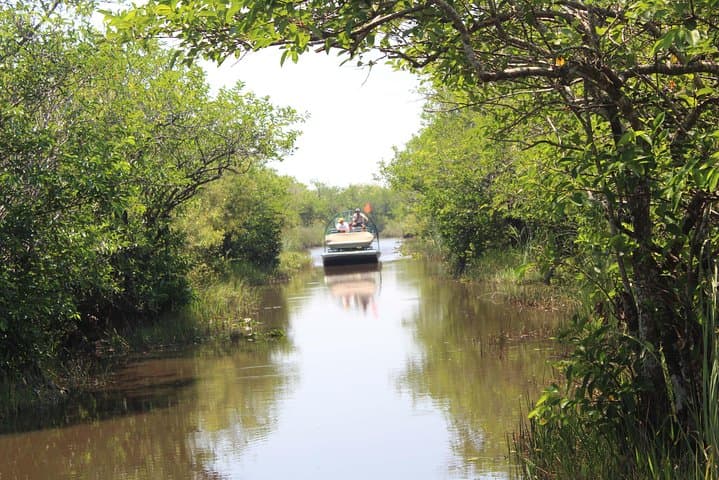
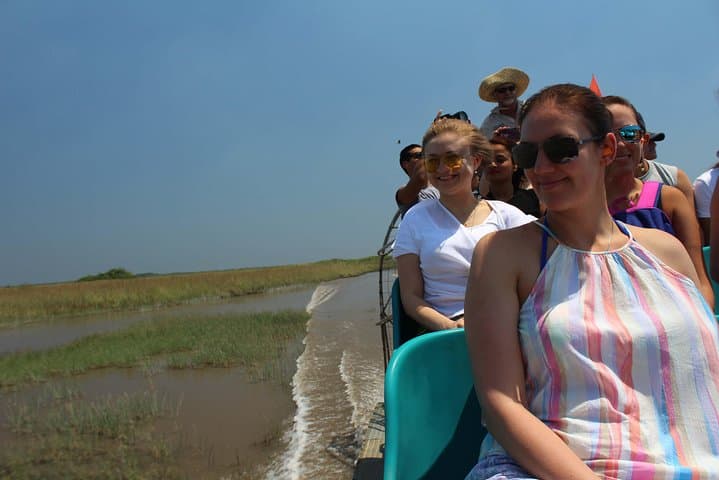
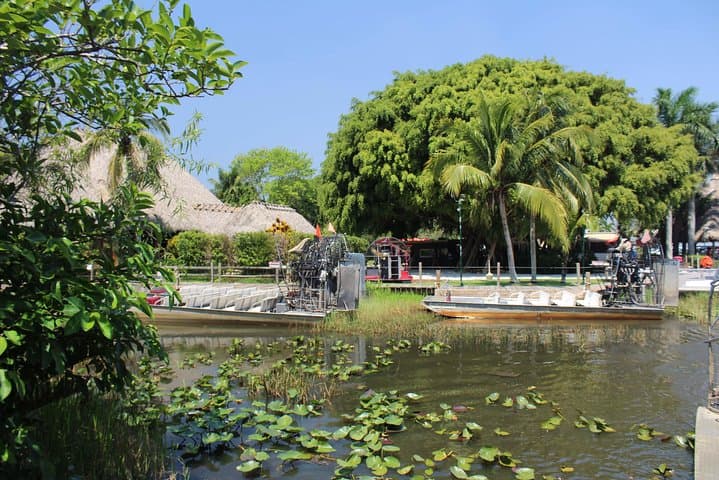
You step off the air-conditioned shuttle somewhere between the city and the grass—Miami receding behind you, the hush of sawgrass rising ahead. The airboat idles like a mechanical bird: a broad, flat hull, a roped cage protecting a propeller, and a guide who treats the marsh as an open classroom. Within minutes the boat skims across shallow water; the surface parts and closes behind like a curtain, and the Everglades begins to move around you.
Verified experiences and guided adventures in the surrounding area.
Operated by Banana Joe Tours · Miami, Florida
You step off the air-conditioned shuttle somewhere between the city and the grass—Miami receding behind you, the hush of sawgrass rising ahead. The airboat idles like a mechanical bird: a broad, flat hull, a roped cage protecting a propeller, and a guide who treats the marsh as an open classroom. Within minutes the boat skims across shallow water; the surface parts and closes behind like a curtain, and the Everglades begins to move around you.
The Everglades is not a river in the conventional sense but a very slow-moving sheet of freshwater flowing from Lake Okeechobee to Florida Bay. Geologically it sits on limestone bedrock where wetlands accumulate peat and marl—substrates that nurture sawgrass prairies, mangrove fringes, and islands of hardwood hammock. Culturally the landscape has long been home to the Miccosukee and Seminole peoples, then shaped drastically by 20th-century drainage projects and later by the conservation movement that preserved sections as Everglades National Park.
A guided airboat tour is as much about history and hydrology as it is about wildlife. Local guides—often with years of Miami experience—explain how seasonal freshwater pulses control nesting birds, where alligators haul out, and why the delicate balance of salt and fresh water matters to seagrass beds downstream. You’ll hear insider observations: where the spoonbills feed at low tide, which channels hold the best sightings, and how invasive pythons have changed predator dynamics.
Practical notes: the full outing runs about 3.5 hours (pickup in Miami included). Allow an hour each way for transport depending on pickup point, with roughly 90–120 minutes on the airboat and marsh boardwalk stops. Tours operate rain or shine—bring a lightweight rain shell—but heavy storms may alter routes. Expect flat terrain with boat seating; the trip is suitable for most fitness levels but not for those who must remain immobile for long periods.
On board, listen closely to the guide’s safety briefing: remain seated, keep hands and cameras inside the rail, and secure loose items from the breeze. Hydrate before boarding and apply reef-safe sunscreen; the sun reflects off water and sawgrass. For photographers, a telephoto lens and fast shutter speed help; seals of sun and wind can create dramatic, kinetic shots of low-flying herons and cruising gators.
This private tour balances adrenaline with education: the airboat’s speed wakes the marsh, but the guide steadies the experience with local knowledge—making the Everglades feel less like a park and more like a living classroom where water, wildlife, and history are constantly in motion.
easy.
3–4 hours.
Minimal fitness required—comfortable sitting and short walks at stops are typical; suitable for most ages.
The experience is about 3.5 hours total: pickup/return to Miami plus roughly 90–120 minutes on the airboat and shore stops; a local expert guide and all taxes/fees are included.
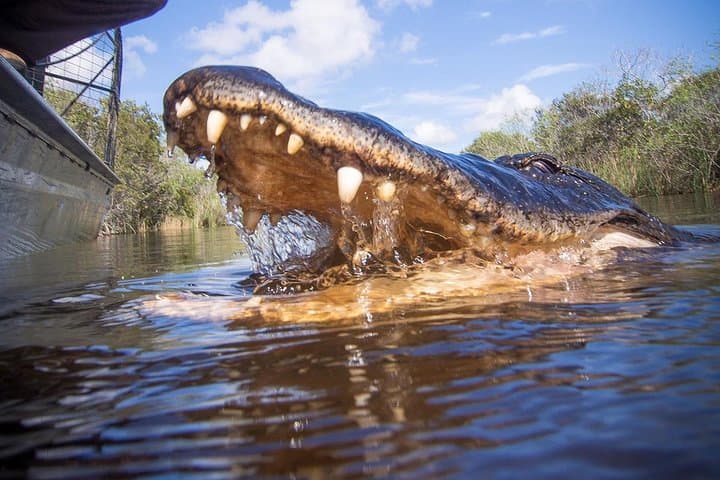
Alligator sightings are common but not guaranteed; guides know productive areas and will prioritize wildlife viewing when possible.
Pickup is offered from hotels and private residences within the provider’s pickup zone; specific times are emailed the afternoon before departure.
Yes—infants can ride in strollers and children are welcome, but expect wind and noise; follow the guide’s safety rules.
Tours run in light rain; heavy storms may change the route or timing but trips are generally rain-or-shine per operator policy.
The tour notes stroller access and is suitable for most fitness levels, but mobility limitations that prevent boarding boats may require advance coordination with the operator.
The Everglades has long been home to Miccosukee and Seminole communities; 20th-century drainage efforts led to modern conservation actions and the establishment of the national park to protect freshwater flow.
Restoration focuses on restoring natural water flow and controlling invasives like Burmese pythons; visitors are urged to follow leave-no-trace rules and avoid feeding wildlife.
Banana Joe Tours operates guided outdoor trips and adventures with an emphasis on safety, stewardship, and memorable experiences.
You step off the air-conditioned shuttle somewhere between the city and the grass—Miami receding behind you, the hush of sawgrass rising ahead. The airboat idles like a mechanical bird: a broad, flat hull, a roped cage protecting a propeller, and a guide who treats the marsh as an open classroom. Within minutes the boat skims across shallow water; the surface parts and closes behind like a curtain, and the Everglades begins to move around you.
You step off the air-conditioned shuttle somewhere between the city and the grass—Miami receding behind you, the hush of sawgrass rising ahead. The airboat idles like a mechanical bird: a broad, flat hull, a roped cage protecting a propeller, and a guide who treats the marsh as an open classroom. Within minutes the boat skims across shallow water; the surface parts and closes behind like a curtain, and the Everglades begins to move around you.
The Everglades is not a river in the conventional sense but a very slow-moving sheet of freshwater flowing from Lake Okeechobee to Florida Bay. Geologically it sits on limestone bedrock where wetlands accumulate peat and marl—substrates that nurture sawgrass prairies, mangrove fringes, and islands of hardwood hammock. Culturally the landscape has long been home to the Miccosukee and Seminole peoples, then shaped drastically by 20th-century drainage projects and later by the conservation movement that preserved sections as Everglades National Park.
A guided airboat tour is as much about history and hydrology as it is about wildlife. Local guides—often with years of Miami experience—explain how seasonal freshwater pulses control nesting birds, where alligators haul out, and why the delicate balance of salt and fresh water matters to seagrass beds downstream. You’ll hear insider observations: where the spoonbills feed at low tide, which channels hold the best sightings, and how invasive pythons have changed predator dynamics.
Practical notes: the full outing runs about 3.5 hours (pickup in Miami included). Allow an hour each way for transport depending on pickup point, with roughly 90–120 minutes on the airboat and marsh boardwalk stops. Tours operate rain or shine—bring a lightweight rain shell—but heavy storms may alter routes. Expect flat terrain with boat seating; the trip is suitable for most fitness levels but not for those who must remain immobile for long periods.
On board, listen closely to the guide’s safety briefing: remain seated, keep hands and cameras inside the rail, and secure loose items from the breeze. Hydrate before boarding and apply reef-safe sunscreen; the sun reflects off water and sawgrass. For photographers, a telephoto lens and fast shutter speed help; seals of sun and wind can create dramatic, kinetic shots of low-flying herons and cruising gators.
This private tour balances adrenaline with education: the airboat’s speed wakes the marsh, but the guide steadies the experience with local knowledge—making the Everglades feel less like a park and more like a living classroom where water, wildlife, and history are constantly in motion.