THE ADVENTURE COLLECTIVE® · Independent discovery and booking for outdoor travel

Explore the Egyptian Museum on a private 4-hour tour with hotel pickup. Read on for what to expect, practical tips, and how to make the most of the Tutankhamun galleries.
Explore the Egyptian Museum on a private 4-hour tour with hotel pickup. Read on for what to expect, practical tips, and how to make the most of the Tutankhamun galleries.
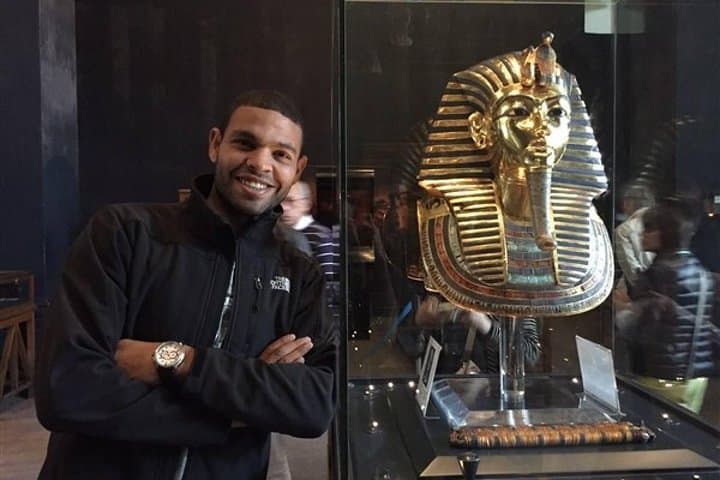
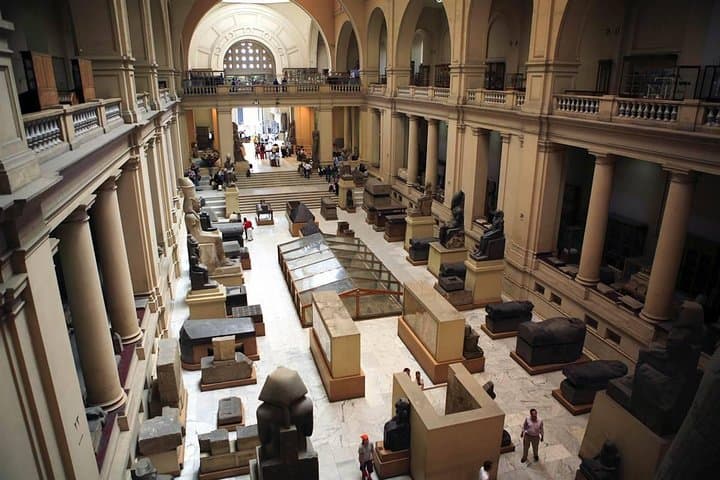
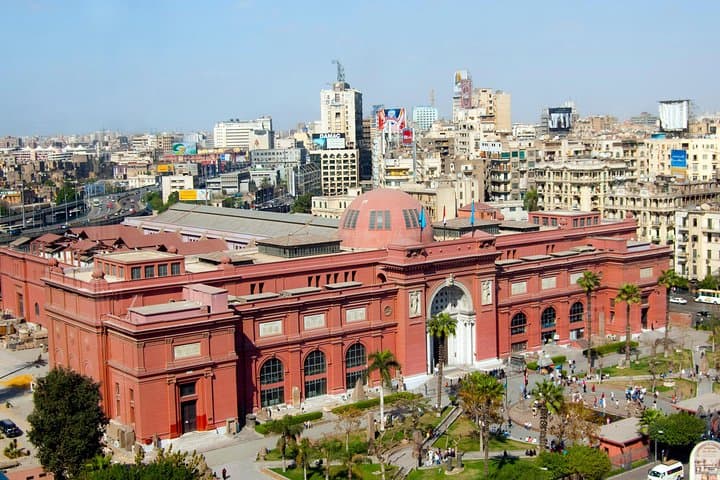
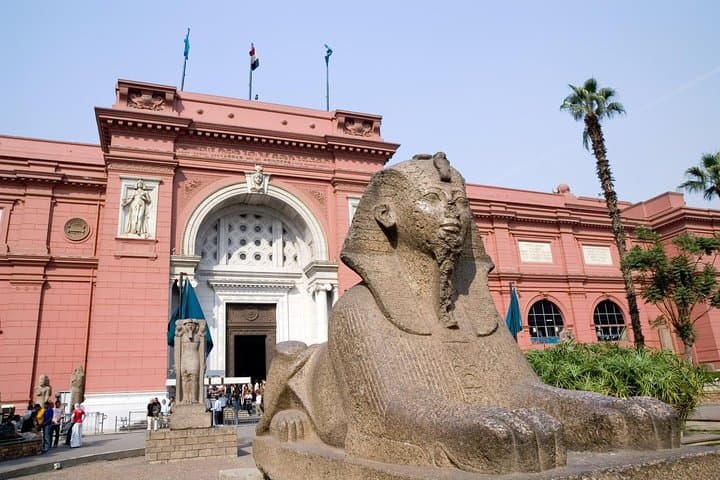
You step out of the air-conditioned van onto Tahrir Square and the city's noise narrows to a distant hum. Inside the Egyptian Museum, cool air and high plaster ceilings let the weight of five millennia settle around you — cases of beaten gold glint, wooden coffins keep their quiet, and a corridor of royal faces watches as you move through rooms filled with stories.
Verified experiences and guided adventures in the surrounding area.
Operated by Emo Tours Egypt · Cairo, Cairo Governorate
You step out of the air-conditioned van onto Tahrir Square and the city's noise narrows to a distant hum. Inside the Egyptian Museum, cool air and high plaster ceilings let the weight of five millennia settle around you — cases of beaten gold glint, wooden coffins keep their quiet, and a corridor of royal faces watches as you move through rooms filled with stories.
The museum (established 1902) houses more than 250,000 artifacts, including the world-famous Tutankhamun collection excavated in the 1920s. Cairo itself sits on alluvial plains deposited by the Nile; the city’s layered history — Pharaonic, Greco-Roman, Islamic, and modern Egyptian — is on display here in materials ranging from alabaster and faience to painted wood and hammered gold.
Culturally, the museum is a focal point for national memory; guides typically bridge archaeological detail with the social history of artifacts and excavation. Expect busy galleries, security checks, and strict conservation-minded displays that limit close contact and flash photography in sensitive rooms.
Practical guidance: allow about three hours in the museum; bring ID and your passport for entry checks, and plan morning arrival to avoid the afternoon crowds and heat. Wear comfortable shoes for tile floors and a light layer for indoor climate control. If you booked a private tour with hotel transfer, confirm pickup times and language preferences in advance. Hydration and a modest pace keep the day enjoyable — the exhibits reward slow, attentive viewing.
easy.
4 hours.
Suitable for most travelers; mostly standing and walking on flat surfaces
Entry fees may be included depending on the option you choose—confirm at booking and have cash or card ready if you need to pay on-site.
Flash is usually prohibited in many rooms, and some exhibits disallow photography entirely; check with your guide for current rules.
The museum has wide galleries but limited accessibility in some older sections; notify the operator of mobility needs so they can plan pickup and routing accordingly.
Plan about three hours for the main exhibits; a focused visit to highlights can be done in 60–90 minutes, while enthusiasts may spend much longer.
The Egyptian Museum opened in 1902 and became the principal repository for artifacts from pharaonic Egypt, including the extensive Tutankhamun collection discovered in the 1920s.
The museum maintains strict climate and light controls to protect fragile artifacts; visitors should avoid touching displays and follow guidance to minimize wear and humidity impact.
Emo Tours Egypt operates guided outdoor trips and adventures with an emphasis on safety, stewardship, and memorable experiences.
You step out of the air-conditioned van onto Tahrir Square and the city's noise narrows to a distant hum. Inside the Egyptian Museum, cool air and high plaster ceilings let the weight of five millennia settle around you — cases of beaten gold glint, wooden coffins keep their quiet, and a corridor of royal faces watches as you move through rooms filled with stories.
You step out of the air-conditioned van onto Tahrir Square and the city's noise narrows to a distant hum. Inside the Egyptian Museum, cool air and high plaster ceilings let the weight of five millennia settle around you — cases of beaten gold glint, wooden coffins keep their quiet, and a corridor of royal faces watches as you move through rooms filled with stories.
The museum (established 1902) houses more than 250,000 artifacts, including the world-famous Tutankhamun collection excavated in the 1920s. Cairo itself sits on alluvial plains deposited by the Nile; the city’s layered history — Pharaonic, Greco-Roman, Islamic, and modern Egyptian — is on display here in materials ranging from alabaster and faience to painted wood and hammered gold.
Culturally, the museum is a focal point for national memory; guides typically bridge archaeological detail with the social history of artifacts and excavation. Expect busy galleries, security checks, and strict conservation-minded displays that limit close contact and flash photography in sensitive rooms.
Practical guidance: allow about three hours in the museum; bring ID and your passport for entry checks, and plan morning arrival to avoid the afternoon crowds and heat. Wear comfortable shoes for tile floors and a light layer for indoor climate control. If you booked a private tour with hotel transfer, confirm pickup times and language preferences in advance. Hydration and a modest pace keep the day enjoyable — the exhibits reward slow, attentive viewing.