THE ADVENTURE COLLECTIVE® · Independent discovery and booking for outdoor travel

A long day from Dubrovnik rewards travelers with turquoise lakes, cascading travertine falls, and wooden boardwalks that thread through one of Croatia's most dramatic national parks. This private transfer gives you direct access to the park's highlights with curated stops en route.
A long day from Dubrovnik rewards travelers with turquoise lakes, cascading travertine falls, and wooden boardwalks that thread through one of Croatia's most dramatic national parks. This private transfer gives you direct access to the park's highlights with curated stops en route.
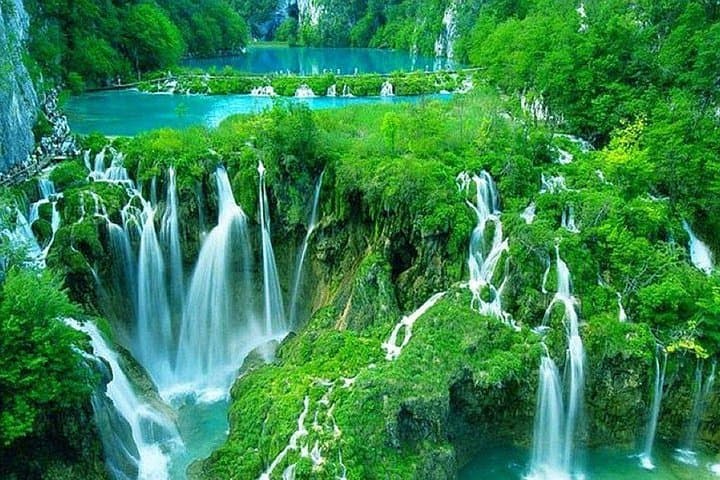
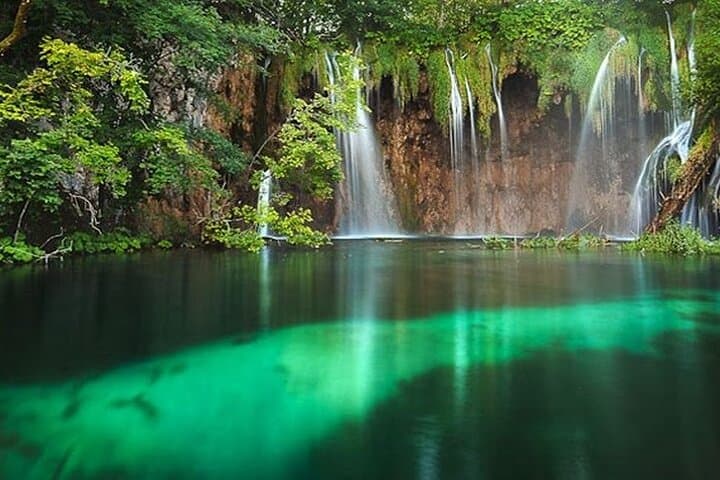
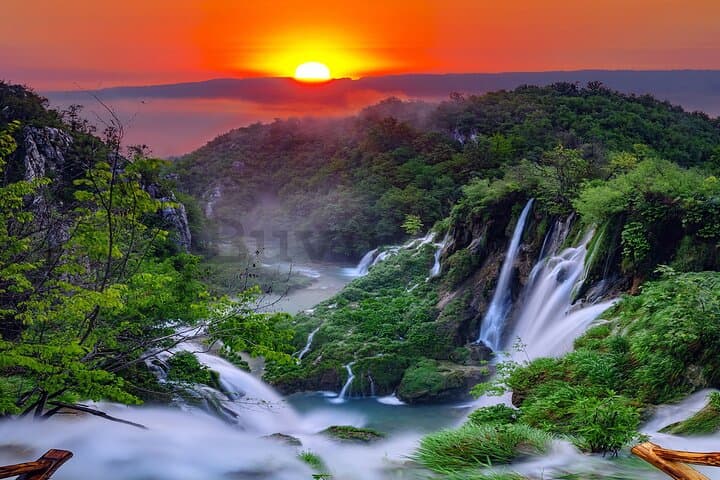
The bus eases out of Dubrovnik before dawn and the Adriatic coast slips away beneath a cool, silver light. Hills fold into karst plateaus and, at the end of a five-hour drive that includes scenic photo stops, the world changes — the road gives way to a green hush and the first turquoise glimpses of Plitvice Lakes peer through beech and fir. By midmorning you step from an air-conditioned vehicle onto wooden boardwalks suspended over water that seems to have chosen a color to rival the sky.
Verified experiences and guided adventures in the surrounding area.
Operated by Transfers · Plitvička Jezera, Lika-Senj County
The bus eases out of Dubrovnik before dawn and the Adriatic coast slips away beneath a cool, silver light. Hills fold into karst plateaus and, at the end of a five-hour drive that includes scenic photo stops, the world changes — the road gives way to a green hush and the first turquoise glimpses of Plitvice Lakes peer through beech and fir. By midmorning you step from an air-conditioned vehicle onto wooden boardwalks suspended over water that seems to have chosen a color to rival the sky.
Plitvice Lakes National Park, founded in 1949 and a UNESCO World Heritage Site since 1979, occupies nearly 300 square kilometers of limestone and forest at Croatia's center. The lakes are not static basins but living chemistry: travertine dams continually form as calcium-rich water deposits tufa, carving terraces and channeling waterfalls that can roar in spring or whisper in late autumn. This is a landscape shaped by karst geology and time, where sinkholes and caves sit close to the surface and a historic north-south road once connected inland and coastal Croatia.
Visitors follow a series of marked routes that thread through upper and lower lakes, cross timber walkways, and, where allowed, ferry across the deepest body, Kozjak. Park rules are strict: entry is tied to timed tickets and guides generally cannot enter with private groups. That regulation preserves the fragile travertine and the park's wildlife, which includes shy red deer and the elusive European otter along quieter shores.
For travelers coming from Dubrovnik, this private transfer condenses a long journey into a single, intense day. Expect about 13 hours total door-to-door, with roughly three hours allotted inside the park on the standard itinerary. The tradeoff is a curated, hassle-free visit with photo stops en route and hotel pick-up in Dubrovnik.
Practical matters matter here. Buy your park ticket in advance, choose an arrival time that gives you morning light at Veliki Slap, and wear grippy shoes—boardwalks can be slick. Bring at least two liters of water, a compact lunch or plan for the park cafes that operate seasonally, and a light rain shell; weather can flip quickly in karst country. If you want fewer people in frame, aim for the earliest time slot or the last entries of the day.
Plitvice is best approached with curiosity and restraint: move quietly, stay on the boardwalks, and let the lakes do their work. The spectacle is immediate — waterfalls that dare you to keep your camera lowered and water that pushes the landscape forward, reshaping itself one mineral-rich drop at a time.
moderate.
13 hours.
Moderate fitness; expect several kilometers of walking on uneven, sometimes wet boardwalks and stairs.
Yes. Plitvice Lakes requires timed tickets purchased ahead of arrival; tickets can sell out in peak season and you must provide an arrival time.
The private transfer takes about 5 to 5.5 hours one-way with stops; plan for roughly 11–13 hours round-trip including park time.
Park rules often prohibit external guides from accompanying guests inside, so the driver will drop you at the entrance and await your return.
Lunch is not included; you can bring a packed lunch or buy food at park cafés that operate seasonally.
Some sections, like certain boardwalks and boat crossings, are partially accessible, but many routes include steps and uneven surfaces and are not fully wheelchair friendly.
Visit early with the first timed entry or late afternoon; shoulder seasons like late spring and early fall offer fewer visitors and strong waterflow.
The park was established in 1949 and inscribed on the UNESCO World Heritage list in 1979 for its outstanding travertine formation and forested landscape.
Visitor numbers and timed entries are managed to protect delicate travertine formations; stick to boardwalks and follow park rules to minimize impact.
Transfers operates guided outdoor trips and adventures with an emphasis on safety, stewardship, and memorable experiences.
The bus eases out of Dubrovnik before dawn and the Adriatic coast slips away beneath a cool, silver light. Hills fold into karst plateaus and, at the end of a five-hour drive that includes scenic photo stops, the world changes — the road gives way to a green hush and the first turquoise glimpses of Plitvice Lakes peer through beech and fir. By midmorning you step from an air-conditioned vehicle onto wooden boardwalks suspended over water that seems to have chosen a color to rival the sky.
The bus eases out of Dubrovnik before dawn and the Adriatic coast slips away beneath a cool, silver light. Hills fold into karst plateaus and, at the end of a five-hour drive that includes scenic photo stops, the world changes — the road gives way to a green hush and the first turquoise glimpses of Plitvice Lakes peer through beech and fir. By midmorning you step from an air-conditioned vehicle onto wooden boardwalks suspended over water that seems to have chosen a color to rival the sky.
Plitvice Lakes National Park, founded in 1949 and a UNESCO World Heritage Site since 1979, occupies nearly 300 square kilometers of limestone and forest at Croatia's center. The lakes are not static basins but living chemistry: travertine dams continually form as calcium-rich water deposits tufa, carving terraces and channeling waterfalls that can roar in spring or whisper in late autumn. This is a landscape shaped by karst geology and time, where sinkholes and caves sit close to the surface and a historic north-south road once connected inland and coastal Croatia.
Visitors follow a series of marked routes that thread through upper and lower lakes, cross timber walkways, and, where allowed, ferry across the deepest body, Kozjak. Park rules are strict: entry is tied to timed tickets and guides generally cannot enter with private groups. That regulation preserves the fragile travertine and the park's wildlife, which includes shy red deer and the elusive European otter along quieter shores.
For travelers coming from Dubrovnik, this private transfer condenses a long journey into a single, intense day. Expect about 13 hours total door-to-door, with roughly three hours allotted inside the park on the standard itinerary. The tradeoff is a curated, hassle-free visit with photo stops en route and hotel pick-up in Dubrovnik.
Practical matters matter here. Buy your park ticket in advance, choose an arrival time that gives you morning light at Veliki Slap, and wear grippy shoes—boardwalks can be slick. Bring at least two liters of water, a compact lunch or plan for the park cafes that operate seasonally, and a light rain shell; weather can flip quickly in karst country. If you want fewer people in frame, aim for the earliest time slot or the last entries of the day.
Plitvice is best approached with curiosity and restraint: move quietly, stay on the boardwalks, and let the lakes do their work. The spectacle is immediate — waterfalls that dare you to keep your camera lowered and water that pushes the landscape forward, reshaping itself one mineral-rich drop at a time.