THE ADVENTURE COLLECTIVE® · Independent discovery and booking for outdoor travel

Spend a day off the Dalmatian coast following water that builds landscapes. This private tour from Split delivers the classic Plitvice route—upper lakes, electric boat across Kozjak and the thunder of Veliki Slap—with a local guide and door‑to‑door transport.
Spend a day off the Dalmatian coast following water that builds landscapes. This private tour from Split delivers the classic Plitvice route—upper lakes, electric boat across Kozjak and the thunder of Veliki Slap—with a local guide and door‑to‑door transport.
You leave Split before dawn and the coast peels away under a ribbon of highway—olive groves and low karst ridges sliding past as the van climbs into the Lika hinterland. By midmorning the air has that specific forest smell: damp leaves, limestone dust and the clean, mineral chill rising off the lakes. At the park entrance your guide, a local with years of route‑reading, folds a map into a pocket and leads you onto wooden boardwalks that thread over water so clear you can watch trout go by like flashes of ink.
Verified experiences and guided adventures in the surrounding area.
Operated by CROATIA PRIVATE TOURS · Plitvička Jezera, Lika-Senj County
You leave Split before dawn and the coast peels away under a ribbon of highway—olive groves and low karst ridges sliding past as the van climbs into the Lika hinterland. By midmorning the air has that specific forest smell: damp leaves, limestone dust and the clean, mineral chill rising off the lakes. At the park entrance your guide, a local with years of route‑reading, folds a map into a pocket and leads you onto wooden boardwalks that thread over water so clear you can watch trout go by like flashes of ink.
Plitvice Lakes is not a single lake but a stacked system: sixteen interconnected basins separated and linked by travertine barriers that the park has been building for millennia. Water chemistry, mosses and microbes do the slow engineering here—calcium carbonate precipitating into terraces that redirect streams and create small falls by the day. UNESCO recognized the park in 1979 for that rare, active geology and the way water shapes living landscape.
The people of Lika have a quieter history—shepherds, seasonal farms, and villages where stone houses and wooden fences mirror the geology. Your guide will point out how land use and centuries of grazing influenced the park’s forest edges; they may also mention Plitvice’s wartime history in the 1990s and the recovery efforts that followed.
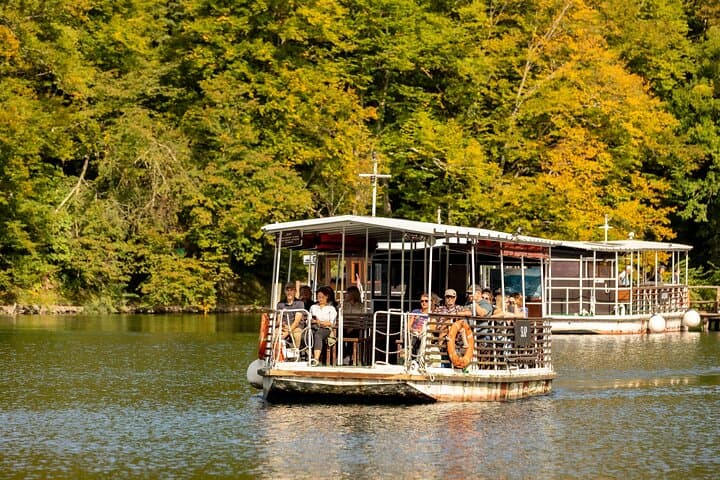
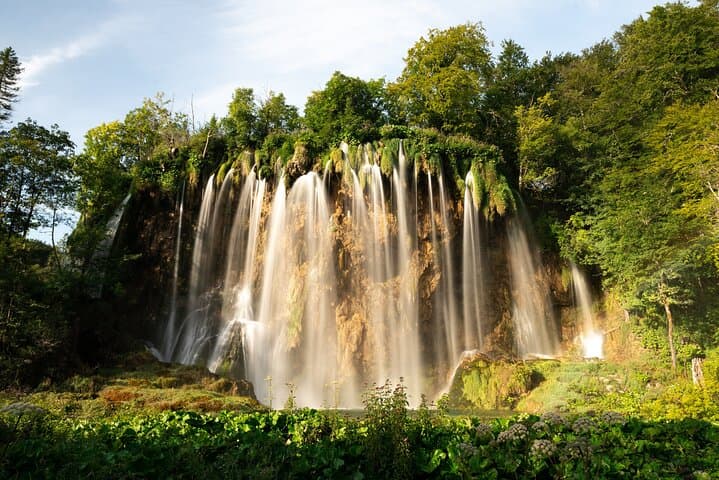
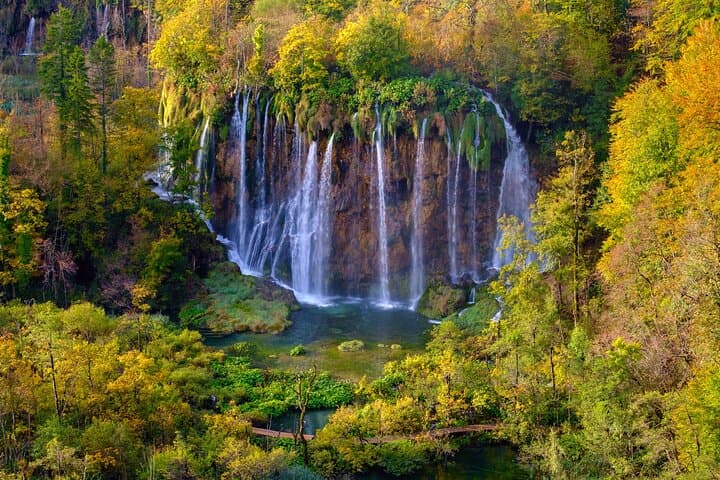
On the route you’ll ride the little electric boat across Kozjak, the largest lake, and walk the classic circuit that reaches Veliki Slap—the park’s tallest waterfall—where water thunders into a canyon carved through permeable limestone. Expect a mix of wide paved paths, elevated wooden boardwalks and short stair sections; the views concentrate the experience: mirrorlike pools, turquoise ribbons spilling over white travertine, and the abrupt verticality of the falls.
Practicalities: this private day trip runs about 8–10 hours including a roughly 2.5–3 hour drive each way from Split, and around 5–8 km of walking at a moderate pace. Wear sturdy, grippy shoes—boardwalks get slippery—and bring layers; mornings can be cool in the shade. The tour includes private round‑trip transport and an English‑speaking local guide; park entrance is often an extra fee depending on season. Arranging pickup at your Split hotel is standard—confirm pickup point and any mobility needs when you book.
Timing matters: arrive early to avoid crowds and catch the clearest reflections; late season and rain heighten the waterfall drama but can make paths slick. Respect the park rules—stay on marked trails and don’t swim; the travertine structures are fragile and take centuries to form.
A day here feels like being walked through a page of geological time: water with agency, quietly building and breaking, daring you to slow down and follow its course.
moderate.
8–10 hours.
Able to walk 5–8 km over mixed surfaces, climb short stair sections, and be on your feet several hours; suitable for most active travelers.
Expect roughly 2.5–3 hours each way depending on traffic and your exact pickup location in Split.
The tour includes private transport and guide services; park entrance fees may be charged separately—confirm at booking.
Typical full‑day circuits cover about 5–8 km with boardwalks and stairs—moderate walking that most travelers can manage.
Yes—the route includes the electric boat crossing across Kozjak Lake as part of the guided circuit.
Some park sections are accessible, but many boardwalks and stairs limit mobility; discuss specific needs with the operator before booking.
Late spring and early fall offer mild weather and fewer crowds; summer is busiest and winter can close some paths depending on conditions.
Plitvice Lakes National Park was inscribed on the UNESCO World Heritage List in 1979 for its active travertine formation and unique karst landscape.
The park limits access to marked trails and regulates boat traffic to protect fragile travertine and aquatic habitats—visitors should avoid touching formations or entering the water.
CROATIA PRIVATE TOURS operates guided outdoor trips and adventures with an emphasis on safety, stewardship, and memorable experiences.

You leave Split before dawn and the coast peels away under a ribbon of highway—olive groves and low karst ridges sliding past as the van climbs into the Lika hinterland. By midmorning the air has that specific forest smell: damp leaves, limestone dust and the clean, mineral chill rising off the lakes. At the park entrance your guide, a local with years of route‑reading, folds a map into a pocket and leads you onto wooden boardwalks that thread over water so clear you can watch trout go by like flashes of ink.
You leave Split before dawn and the coast peels away under a ribbon of highway—olive groves and low karst ridges sliding past as the van climbs into the Lika hinterland. By midmorning the air has that specific forest smell: damp leaves, limestone dust and the clean, mineral chill rising off the lakes. At the park entrance your guide, a local with years of route‑reading, folds a map into a pocket and leads you onto wooden boardwalks that thread over water so clear you can watch trout go by like flashes of ink.
Plitvice Lakes is not a single lake but a stacked system: sixteen interconnected basins separated and linked by travertine barriers that the park has been building for millennia. Water chemistry, mosses and microbes do the slow engineering here—calcium carbonate precipitating into terraces that redirect streams and create small falls by the day. UNESCO recognized the park in 1979 for that rare, active geology and the way water shapes living landscape.
The people of Lika have a quieter history—shepherds, seasonal farms, and villages where stone houses and wooden fences mirror the geology. Your guide will point out how land use and centuries of grazing influenced the park’s forest edges; they may also mention Plitvice’s wartime history in the 1990s and the recovery efforts that followed.
On the route you’ll ride the little electric boat across Kozjak, the largest lake, and walk the classic circuit that reaches Veliki Slap—the park’s tallest waterfall—where water thunders into a canyon carved through permeable limestone. Expect a mix of wide paved paths, elevated wooden boardwalks and short stair sections; the views concentrate the experience: mirrorlike pools, turquoise ribbons spilling over white travertine, and the abrupt verticality of the falls.
Practicalities: this private day trip runs about 8–10 hours including a roughly 2.5–3 hour drive each way from Split, and around 5–8 km of walking at a moderate pace. Wear sturdy, grippy shoes—boardwalks get slippery—and bring layers; mornings can be cool in the shade. The tour includes private round‑trip transport and an English‑speaking local guide; park entrance is often an extra fee depending on season. Arranging pickup at your Split hotel is standard—confirm pickup point and any mobility needs when you book.
Timing matters: arrive early to avoid crowds and catch the clearest reflections; late season and rain heighten the waterfall drama but can make paths slick. Respect the park rules—stay on marked trails and don’t swim; the travertine structures are fragile and take centuries to form.
A day here feels like being walked through a page of geological time: water with agency, quietly building and breaking, daring you to slow down and follow its course.