THE ADVENTURE COLLECTIVE® · Independent discovery and booking for outdoor travel

Drive out of Marrakech into a chattering river valley and you arrive where water drops 110 meters through olive terraces. This private day trip to Ouzoud Falls combines wildlife viewing, short hikes, and riverside tea—ideal for travelers who want a full‑day, low‑hassle natural escape.
Drive out of Marrakech into a chattering river valley and you arrive where water drops 110 meters through olive terraces. This private day trip to Ouzoud Falls combines wildlife viewing, short hikes, and riverside tea—ideal for travelers who want a full‑day, low‑hassle natural escape.
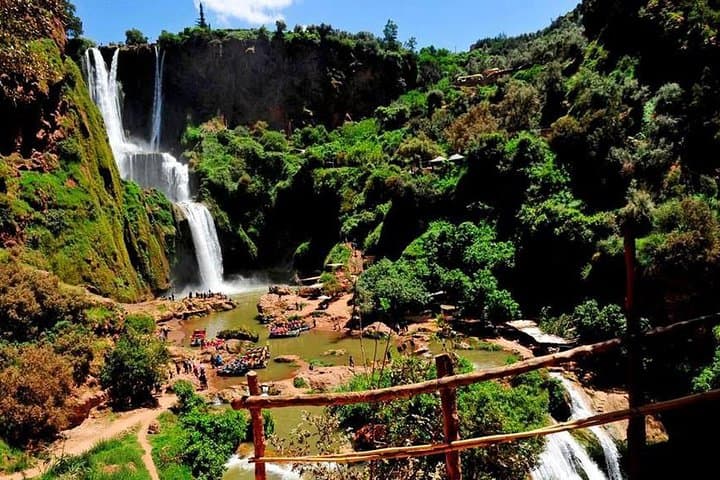
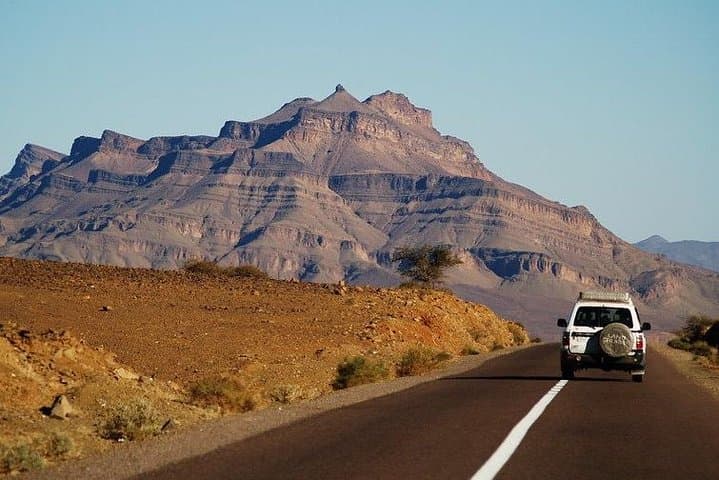
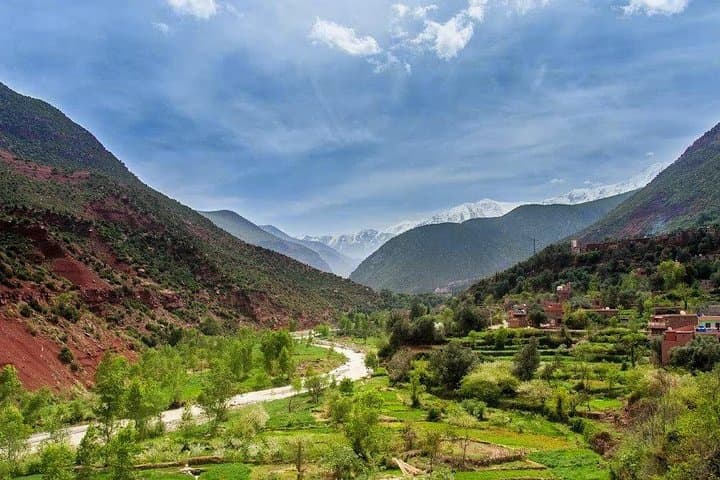
The first time you hear Ouzoud is not on a map but in the roar: water negotiating a 110‑meter drop, throwing mist like a salt wind into terraces of olive trees. On a private day trip from Marrakech the highway loosens into the Middle Atlas, and the valley opens—rock faces strip to ochre, the El Abid river begins to chatter, and the falls announce themselves long before you see them.
Verified experiences and guided adventures in the surrounding area.
Operated by Sunny Morocco · Tanaghmeilt, Azilal Province
The first time you hear Ouzoud is not on a map but in the roar: water negotiating a 110‑meter drop, throwing mist like a salt wind into terraces of olive trees. On a private day trip from Marrakech the highway loosens into the Middle Atlas, and the valley opens—rock faces strip to ochre, the El Abid river begins to chatter, and the falls announce themselves long before you see them.
Ouzoud Falls sits where river and limestone meet old slopes of the Middle Atlas. Geologically the cascade is the product of erosion and faulting: water has worn channels through softer beds, leaving vertical drops and pools that catch sunlight. The area has been a working landscape for centuries; the name Ouzoud likely references the olives that cling to these hills, and several traditional watermills still turn near the falls. Culturally this is Berber country—villages nearby still farm terraces, and riverside cafes serve mint tea with a view.
Wildlife is part of the stage. The famous Barbary macaques move through the trees and ledges with the indifference of locals; they will inspect a camera strap and then move on. The river seems to dare you closer, and currents push visitors toward viewpoints before the trail narrows to steps and viewpoints that reveal the falls in sections—curtains that separate and rejoin into milky threads.
Practically, a private trip from Marrakech gives you a full day: expect 2.5–3 hours each way by air‑conditioned vehicle and about 3–4 hours at the site. Trails around the falls are stone and packed dirt with steps; elevation changes are modest but frequent—plan for moderate fitness if you want to explore upper and lower viewpoints. Bring cash for cafes and a camera with a protective case; the spray is constant.
Timing matters. Early mornings cut crowding and sharp light; late afternoons soften the cliffs and warm the olive groves. Respect the macaques—do not feed them—and stay on marked paths to protect fragile banks and the dozens of small springs that feed the cascade. The tour includes lunch and bottled water and offers hotel pickup and drop‑off, making it ideal for travelers wanting a low‑logistics way to experience the falls.
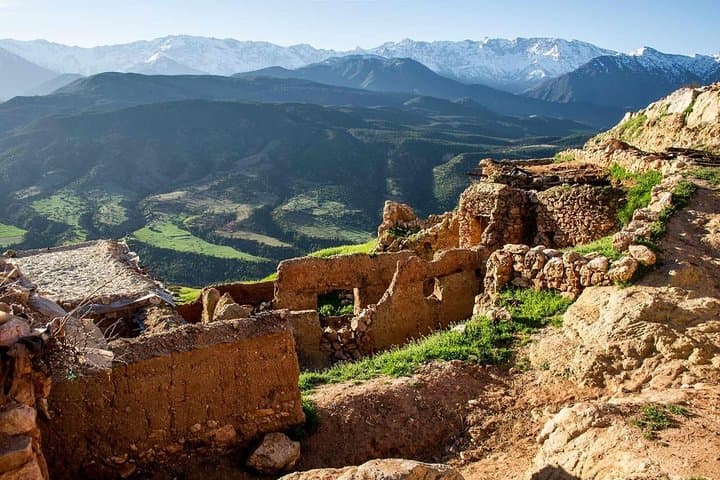
If you want more than a snapshot, ask the guide to walk the upstream paths to small plunge pools and old mills. On clear days the valley reveals long views back toward the Atlas ridgeline; after rain the falls build power and the whole gorge becomes theatrical. Ouzoud is both an easy day away from Marrakech and a reminder that Morocco’s landscape can switch from desert palette to watery, green incision in less than an afternoon.
moderate.
7–11 hours.
Comfortable walking ability with some stair climbs; not technical but expect uneven surfaces and short steep sections
Expect roughly 2.5–3 hours each way depending on traffic; private tours factor in travel time and stops for a full‑day schedule.
They are wild animals and can become aggressive if fed or provoked; keep a respectful distance and secure loose items.
Yes, this private day trip includes lunch and bottled water as part of the itinerary.
There are shallow pools suitable for paddling in warmer months, but currents can be strong—swim with caution and follow local guidance.
Some viewpoints and riverside cafes are accessible, but the main trail to lower viewing platforms includes steps and uneven surfaces that limit access.
Weekday mornings or late afternoons outside peak summer season are best to avoid tour groups and buses.
The falls sit in historically Amazigh farming country; traditional watermills used for grinding grain and pressing olives remain visible near the gorge.
Foot traffic and feeding wildlife are the main local concerns; staying on marked paths and avoiding feeding macaques helps preserve habitat and animal behavior.
Sunny Morocco operates guided outdoor trips and adventures with an emphasis on safety, stewardship, and memorable experiences.
The first time you hear Ouzoud is not on a map but in the roar: water negotiating a 110‑meter drop, throwing mist like a salt wind into terraces of olive trees. On a private day trip from Marrakech the highway loosens into the Middle Atlas, and the valley opens—rock faces strip to ochre, the El Abid river begins to chatter, and the falls announce themselves long before you see them.
The first time you hear Ouzoud is not on a map but in the roar: water negotiating a 110‑meter drop, throwing mist like a salt wind into terraces of olive trees. On a private day trip from Marrakech the highway loosens into the Middle Atlas, and the valley opens—rock faces strip to ochre, the El Abid river begins to chatter, and the falls announce themselves long before you see them.
Ouzoud Falls sits where river and limestone meet old slopes of the Middle Atlas. Geologically the cascade is the product of erosion and faulting: water has worn channels through softer beds, leaving vertical drops and pools that catch sunlight. The area has been a working landscape for centuries; the name Ouzoud likely references the olives that cling to these hills, and several traditional watermills still turn near the falls. Culturally this is Berber country—villages nearby still farm terraces, and riverside cafes serve mint tea with a view.
Wildlife is part of the stage. The famous Barbary macaques move through the trees and ledges with the indifference of locals; they will inspect a camera strap and then move on. The river seems to dare you closer, and currents push visitors toward viewpoints before the trail narrows to steps and viewpoints that reveal the falls in sections—curtains that separate and rejoin into milky threads.
Practically, a private trip from Marrakech gives you a full day: expect 2.5–3 hours each way by air‑conditioned vehicle and about 3–4 hours at the site. Trails around the falls are stone and packed dirt with steps; elevation changes are modest but frequent—plan for moderate fitness if you want to explore upper and lower viewpoints. Bring cash for cafes and a camera with a protective case; the spray is constant.
Timing matters. Early mornings cut crowding and sharp light; late afternoons soften the cliffs and warm the olive groves. Respect the macaques—do not feed them—and stay on marked paths to protect fragile banks and the dozens of small springs that feed the cascade. The tour includes lunch and bottled water and offers hotel pickup and drop‑off, making it ideal for travelers wanting a low‑logistics way to experience the falls.
If you want more than a snapshot, ask the guide to walk the upstream paths to small plunge pools and old mills. On clear days the valley reveals long views back toward the Atlas ridgeline; after rain the falls build power and the whole gorge becomes theatrical. Ouzoud is both an easy day away from Marrakech and a reminder that Morocco’s landscape can switch from desert palette to watery, green incision in less than an afternoon.