THE ADVENTURE COLLECTIVE® · Independent discovery and booking for outdoor travel

A private, full‑day loop from Tokyo that pairs theatrical views of Mount Fuji with Hakone’s steaming volcanic landscapes, lakeside shrines, and Gotemba’s outlet shopping. Ideal for travelers who want curated scenery, light walks, and local flavor in a single 10‑hour excursion.
A private, full‑day loop from Tokyo that pairs theatrical views of Mount Fuji with Hakone’s steaming volcanic landscapes, lakeside shrines, and Gotemba’s outlet shopping. Ideal for travelers who want curated scenery, light walks, and local flavor in a single 10‑hour excursion.
You climb into a quiet, air‑conditioned van in the soft light of a Tokyo morning. The city peels away and the road narrows as the suburbs thin, then the mountains lift like a curtain. Mount Fuji, often coy in the haze, can dominate the day from several vantage points on this private Hakone–Gotemba loop: a serrated silhouette that demands a camera and a little patience.
Verified experiences and guided adventures in the surrounding area.
Operated by Yujin Group Co., Ltd. · Hakone, Kanagawa
You climb into a quiet, air‑conditioned van in the soft light of a Tokyo morning. The city peels away and the road narrows as the suburbs thin, then the mountains lift like a curtain. Mount Fuji, often coy in the haze, can dominate the day from several vantage points on this private Hakone–Gotemba loop: a serrated silhouette that demands a camera and a little patience.
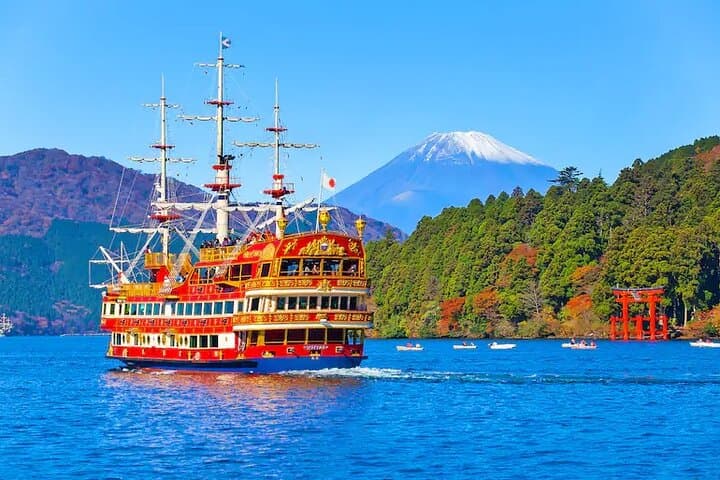
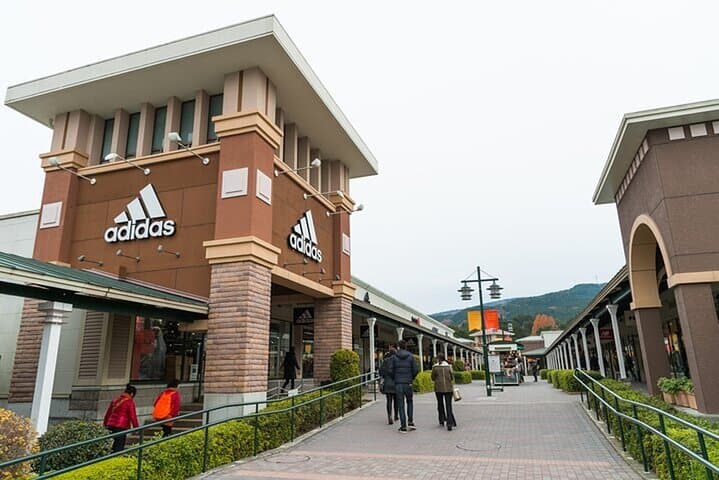
The itinerary reads like a compact primer on the region: Lake Ashi’s shrine‑framed torii, the steam‑hissing slopes of Owakudani, traditional roadside eateries, and a long, American‑style shopping mall set against Fuji’s flanks. But the story beneath the views is older—Hakone is a caldera landscape carved by volcanic fury, shaped by eruptions and the slow sediment of centuries. Owakudani still exhales sulfur, and the black “onsen eggs” boiled there are a playful reminder that geology is an active character in the day’s drama.
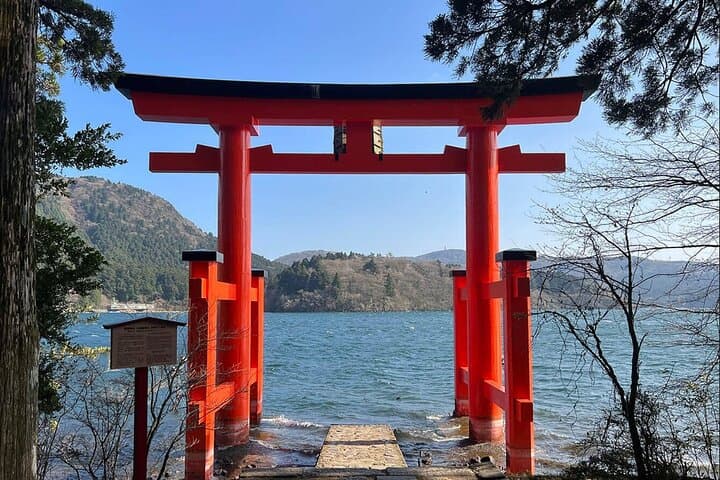
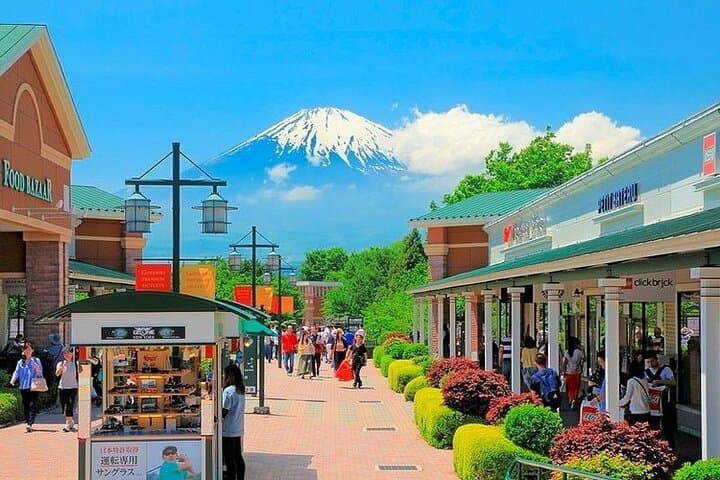
Culturally, Hakone sits on historic Tokaido pilgrimage routes; the red torii of Hakone Shrine marks both worship and a wayfinding point that fisherfolk and travelers have used for generations. Gotemba’s outlet center is a modern counterpoint: commerce arranged to frame Fuji, where bargain hunters pause between photo stops.
Practicalities matter as much as the views. The tour runs roughly 10 hours, with private pickup across Tokyo’s 23 wards (surcharges apply for locations outside the city, JPY 5,000–20,000). Driving time from central Tokyo averages 90–120 minutes each way depending on traffic, and the tour keeps walking light—mostly short lakeside strolls, boardwalk sections at Owakudani, and level promenades at the outlets—making it accessible for most fitness levels.
Visibility is everything. Fuji can hide behind clouds in warmer months and show itself clear and crisp in colder mornings. Bring layered clothing and a compact umbrella; temperatures in the Hakone foothills can sit 5–10°C (9–18°F) cooler than central Tokyo. Cash and your passport are useful—small shrines and some shops prefer cash, and larger stores offer tax‑free shopping for visitors.
On a private tour like this you pay for flexibility: linger at a lakeside teahouse if the light is right, skip a store, or ask your English‑speaking driver to detour for a less crowded viewpoint. For a single day, the loop gives you geology, hot‑spring culture, shrine ritual, and a chance to watch Mount Fuji govern the horizon—sometimes distant and brooding, sometimes impossibly close.
easy.
10 hours.
Minimal fitness required — mostly short walks and standing at viewpoints; suitable for travelers comfortable with light walking and brief stair sections.
The tour is approximately 10 hours with pickup available across Tokyo’s 23 wards; precise pickup location is arranged at booking.
Not guaranteed—Fuji’s visibility depends on weather and season; mornings in colder months typically offer the clearest views.
Admissions are generally not included; the tour’s pricing covers private transport, fuel, and driver services.
Yes—drivers can arrange meal stops and some tours can include onsen time if scheduled in advance, though additional fees may apply.
Yes, specialized infant seats are available—request them during booking.
Tipping is not customary in Japan; a polite thank‑you and punctuality are appreciated instead.
Hakone developed along the historic Tokaido route as a security and relay point; shrines and roadside inns grew to serve travelers moving between Kyoto and Edo (Tokyo).
Hakone is within Fuji‑Hakone‑Izu National Park—stay on designated paths, pack out waste, and support local ryokan and small businesses to help sustain the area.
Yujin Group Co., Ltd. operates guided outdoor trips and adventures with an emphasis on safety, stewardship, and memorable experiences.
You climb into a quiet, air‑conditioned van in the soft light of a Tokyo morning. The city peels away and the road narrows as the suburbs thin, then the mountains lift like a curtain. Mount Fuji, often coy in the haze, can dominate the day from several vantage points on this private Hakone–Gotemba loop: a serrated silhouette that demands a camera and a little patience.
You climb into a quiet, air‑conditioned van in the soft light of a Tokyo morning. The city peels away and the road narrows as the suburbs thin, then the mountains lift like a curtain. Mount Fuji, often coy in the haze, can dominate the day from several vantage points on this private Hakone–Gotemba loop: a serrated silhouette that demands a camera and a little patience.
The itinerary reads like a compact primer on the region: Lake Ashi’s shrine‑framed torii, the steam‑hissing slopes of Owakudani, traditional roadside eateries, and a long, American‑style shopping mall set against Fuji’s flanks. But the story beneath the views is older—Hakone is a caldera landscape carved by volcanic fury, shaped by eruptions and the slow sediment of centuries. Owakudani still exhales sulfur, and the black “onsen eggs” boiled there are a playful reminder that geology is an active character in the day’s drama.
Culturally, Hakone sits on historic Tokaido pilgrimage routes; the red torii of Hakone Shrine marks both worship and a wayfinding point that fisherfolk and travelers have used for generations. Gotemba’s outlet center is a modern counterpoint: commerce arranged to frame Fuji, where bargain hunters pause between photo stops.
Practicalities matter as much as the views. The tour runs roughly 10 hours, with private pickup across Tokyo’s 23 wards (surcharges apply for locations outside the city, JPY 5,000–20,000). Driving time from central Tokyo averages 90–120 minutes each way depending on traffic, and the tour keeps walking light—mostly short lakeside strolls, boardwalk sections at Owakudani, and level promenades at the outlets—making it accessible for most fitness levels.
Visibility is everything. Fuji can hide behind clouds in warmer months and show itself clear and crisp in colder mornings. Bring layered clothing and a compact umbrella; temperatures in the Hakone foothills can sit 5–10°C (9–18°F) cooler than central Tokyo. Cash and your passport are useful—small shrines and some shops prefer cash, and larger stores offer tax‑free shopping for visitors.
On a private tour like this you pay for flexibility: linger at a lakeside teahouse if the light is right, skip a store, or ask your English‑speaking driver to detour for a less crowded viewpoint. For a single day, the loop gives you geology, hot‑spring culture, shrine ritual, and a chance to watch Mount Fuji govern the horizon—sometimes distant and brooding, sometimes impossibly close.