THE ADVENTURE COLLECTIVE® · Independent discovery and booking for outdoor travel

Hike a narrow, year-round Cretan gorge then swap stone walls for a shallow, sandy bay guarded by a Venetian castle. This private day tour pairs a 3.5-hour walk through Imbros Gorge with a relaxed beach stop at Frangokastello.
Hike a narrow, year-round Cretan gorge then swap stone walls for a shallow, sandy bay guarded by a Venetian castle. This private day tour pairs a 3.5-hour walk through Imbros Gorge with a relaxed beach stop at Frangokastello.
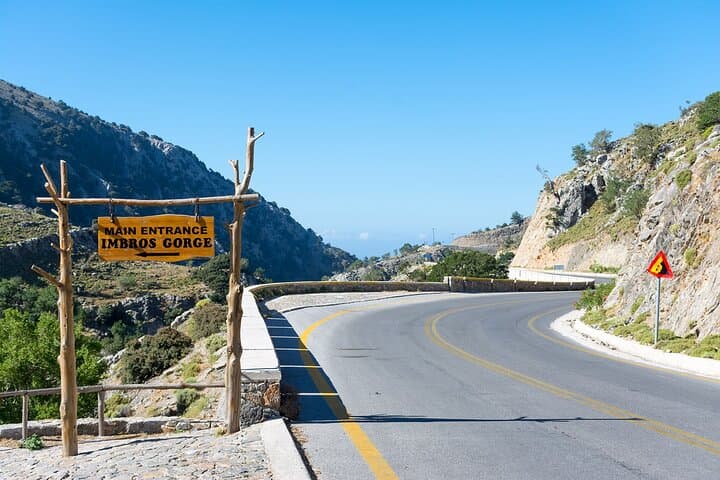
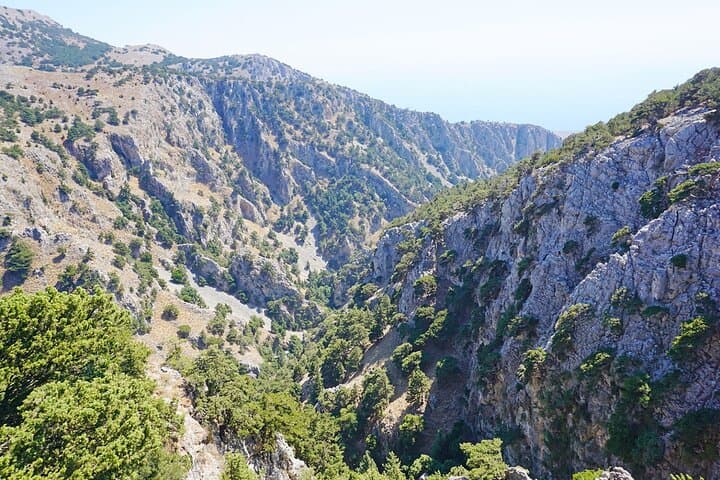
You step off the minibus and the canyon swallows the sound of the road. Imbros Gorge opens like a living corridor of limestone — pale walls scored by winter floods and shaded by juniper and wild olive. The trail narrows and the air cools; at the skinniest stretch you can touch both sides with an outstretched arm, just 1.60 meters across. The pace here is deliberate: careful foot placement on rounded stones, a pause to listen to a distant bleat of goats, and the faint smell of sea salt carried on a breeze from Crete’s south coast.
Verified experiences and guided adventures in the surrounding area.
Operated by Εδέμ · Chora Sfakion, Crete
You step off the minibus and the canyon swallows the sound of the road. Imbros Gorge opens like a living corridor of limestone — pale walls scored by winter floods and shaded by juniper and wild olive. The trail narrows and the air cools; at the skinniest stretch you can touch both sides with an outstretched arm, just 1.60 meters across. The pace here is deliberate: careful foot placement on rounded stones, a pause to listen to a distant bleat of goats, and the faint smell of sea salt carried on a breeze from Crete’s south coast.
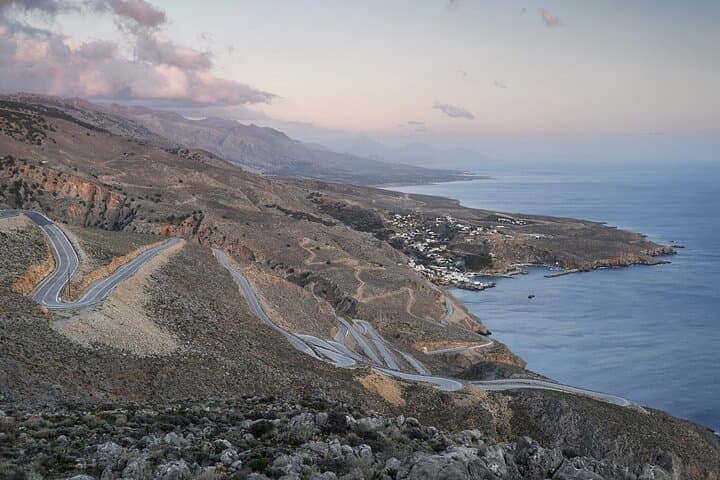
Imbros is Crete in condensed form: a geological record of uplifted seabed and tectonic squeeze, carved by seasons of rain and river. Unlike its more famous neighbor Samaria, Imbros is open year-round and averages about 3.5 hours of walking — a straightforward route that finishes at Komitades, a village sitting around 780 meters above sea level at the end of the gorge. The day switches character after the hike: the private vehicle takes you down to Frangokastello, where a low, well-preserved Venetian fortress faces a shallow, child-friendly beach.
Frangokastello’s castle is more than a postcard. Built in the 14th–16th centuries as a coastal defense against pirates, its flat, rectangular silhouette frames a broad curve of sand. On certain still mornings, locals point to the “Drosoulites” — the cool-air mirage of moving, human-shaped dew — a mysterious phenomenon tied to light, humidity and local legend.
The tour runs as a full day (about 11 hours total including transfers). It starts at the operator’s office — Edem Travel — on the main street, and includes private transport, bottled water and an air-conditioned vehicle. The hiking section is moderate: uneven footing, short ladders, and rocky steps. It’s not technical but it does demand stable knees and steady hips; travelers with significant back, heart, knee issues or pregnant guests are advised to sit out the gorge.
Practical rhythm matters here. Start early in spring and autumn to avoid heat; in summer set a sunrise alarm to beat the midday glare. Bring sturdy footwear, sun protection and 1–2 liters of water, and be prepared for a cool microclimate inside the gorge even on hot days. Between the canyon and the beach you’ll touch on Crete’s layered human history and dramatic coastal geology — from shepherd trails to Venetian masonry — all in a single, well-paced day.
moderate.
11 hours.
Moderate fitness: able to walk 3–4 hours on uneven, rocky terrain and manage a few short steep sections
The hiking section takes about 3.5 hours one-way along the marked trail to the village of Komitades.
Older children who are comfortable with rocky trails and short scrambles can manage the hike; the beach at Frangokastello is shallow and ideal for small children.
Yes — Imbros Gorge is open all year and is a popular alternative when Samaria is closed in spring.
The route is non-technical but includes uneven footing and narrow passages; no climbing gear is required.
Drosoulites are a local mirage-like phenomenon of moving ‘dew shadows’ seen near Frangokastello under calm, moist morning conditions; it’s tied to light, humidity and local lore.
The tour offers hotel pickup from many local hotels or meeting at the supplier office (Edem Travel) on the main street; confirm your pickup point when booking.
The castle at Frangokastello was built by the Venetians in the 14th–16th centuries to secure the coastline and control pirate activity; the gorge trails follow ancient pastoral routes used for centuries.
Stay on marked trails to protect fragile Mediterranean scrub; avoid leaving plastic on beaches and use supplied bottled water sparingly by refilling reusable bottles.
Εδέμ operates guided outdoor trips and adventures with an emphasis on safety, stewardship, and memorable experiences.
You step off the minibus and the canyon swallows the sound of the road. Imbros Gorge opens like a living corridor of limestone — pale walls scored by winter floods and shaded by juniper and wild olive. The trail narrows and the air cools; at the skinniest stretch you can touch both sides with an outstretched arm, just 1.60 meters across. The pace here is deliberate: careful foot placement on rounded stones, a pause to listen to a distant bleat of goats, and the faint smell of sea salt carried on a breeze from Crete’s south coast.
You step off the minibus and the canyon swallows the sound of the road. Imbros Gorge opens like a living corridor of limestone — pale walls scored by winter floods and shaded by juniper and wild olive. The trail narrows and the air cools; at the skinniest stretch you can touch both sides with an outstretched arm, just 1.60 meters across. The pace here is deliberate: careful foot placement on rounded stones, a pause to listen to a distant bleat of goats, and the faint smell of sea salt carried on a breeze from Crete’s south coast.
Imbros is Crete in condensed form: a geological record of uplifted seabed and tectonic squeeze, carved by seasons of rain and river. Unlike its more famous neighbor Samaria, Imbros is open year-round and averages about 3.5 hours of walking — a straightforward route that finishes at Komitades, a village sitting around 780 meters above sea level at the end of the gorge. The day switches character after the hike: the private vehicle takes you down to Frangokastello, where a low, well-preserved Venetian fortress faces a shallow, child-friendly beach.
Frangokastello’s castle is more than a postcard. Built in the 14th–16th centuries as a coastal defense against pirates, its flat, rectangular silhouette frames a broad curve of sand. On certain still mornings, locals point to the “Drosoulites” — the cool-air mirage of moving, human-shaped dew — a mysterious phenomenon tied to light, humidity and local legend.
The tour runs as a full day (about 11 hours total including transfers). It starts at the operator’s office — Edem Travel — on the main street, and includes private transport, bottled water and an air-conditioned vehicle. The hiking section is moderate: uneven footing, short ladders, and rocky steps. It’s not technical but it does demand stable knees and steady hips; travelers with significant back, heart, knee issues or pregnant guests are advised to sit out the gorge.
Practical rhythm matters here. Start early in spring and autumn to avoid heat; in summer set a sunrise alarm to beat the midday glare. Bring sturdy footwear, sun protection and 1–2 liters of water, and be prepared for a cool microclimate inside the gorge even on hot days. Between the canyon and the beach you’ll touch on Crete’s layered human history and dramatic coastal geology — from shepherd trails to Venetian masonry — all in a single, well-paced day.