THE ADVENTURE COLLECTIVE® · Independent discovery and booking for outdoor travel

Skip the scripted walk through Marbella and let a local guide craft a private three-hour route around the old town and waterfront. Taste, see, and move through the city with someone who knows its back alleys, best bites, and quiet viewpoints.
Skip the scripted walk through Marbella and let a local guide craft a private three-hour route around the old town and waterfront. Taste, see, and move through the city with someone who knows its back alleys, best bites, and quiet viewpoints.
You step off the Paseo Marítimo and the sea takes the lead—the Mediterranean pressing close, its breeze rearranging umbrellas and conversations. Your guide adjusts the pace, folding the city into a route that fits your curiosity: a fortress of white houses to one side, a green lung of palms and orange trees to the other, alleys that narrow until you can hear the city breathing.
Verified experiences and guided adventures in the surrounding area.
Operated by Guydeez · Marbella, Andalusia
You step off the Paseo Marítimo and the sea takes the lead—the Mediterranean pressing close, its breeze rearranging umbrellas and conversations. Your guide adjusts the pace, folding the city into a route that fits your curiosity: a fortress of white houses to one side, a green lung of palms and orange trees to the other, alleys that narrow until you can hear the city breathing.
Marbella is an urban coastline shaped by layers: Phoenicians and Romans left trade routes, the Moors reworked streets and irrigation, and 16th-century chapels stitched Christian institutions into the old town. The Plaza de los Naranjos—its orange trees planted in the mid-20th century—still centers daily life, while the Alameda park, created in the 18th century, cools the city like a deliberate exhale. Geologically, Marbella sits between the limestone folds of Sierra Blanca and the sand-and-silt coast of the Costa del Sol; you can feel that shift where the city meets sea—stone giving way to pebbles and promenades.
Culturally, Marbella surprises. Beyond the yachts and glossy façades are family-run bakeries, a small but vibrant crafts scene, and neighborhoods where Andalusian traditions—tapas, flamenco rhythms, a late-evening tempo—carry on. The Paseo Marítimo stretches roughly 7 km, inviting rollerbladers and joggers to keep the sea company. Local guides trade standard itineraries for curiosity-driven routes: a culinary detour to a market stall, a stop at the Bonsai Museum, or a walk through streets that still remember Moorish cisterns.
Practically, this private three-hour tour is built around you. Guides speak English, Spanish, French, and Italian and will meet you at your hotel in Marbella or at a prearranged city center point. The pace is gentle—suitable for most fitness levels—and the route is wheelchair and stroller accessible, though the guide will avoid narrow alleys if mobility is a concern. For a cooler experience, plan morning or late-afternoon departures in summer; winters are mild but bring a light jacket.
Tips to get the most: ask your guide to secure tickets ahead for indoor sites, request a food-focused route to sample local panes and anchovies, and build a flexible endpoint if you want to linger at a seaside tapas bar. Keep a reusable water bottle, comfortable shoes, and a camera ready—the city rewards a slower eye. Cancellation is possible up to 24 hours before the tour.
At the end, you won’t just have seen Marbella—you’ll have learned how to move through it like someone who lives there: attentive to light, guided by scent and sound, and confident about where to return on your own.
easy.
3 hours.
Light walking on mostly flat, paved surfaces; suitable for travelers in average health
The guide will pick up at hotels located in Marbella or meet at a central city point for guests outside the city; confirm your pickup point when booking.
Yes—routes are stroller and wheelchair accessible; guides will avoid tight alleyways if you need easier paths.
Guides can offer tours in English, Spanish, French, and Italian as needed.
Absolutely—this private tour is designed around your interests; mention culinary or cultural preferences when booking.
You can cancel for a full refund at least 24 hours before the scheduled departure time.
Standard bookings do not include entrance fees, but guides can help arrange tickets in advance for an additional cost.
Marbella’s urban layout reflects Roman and Moorish phases; the Chapel of San Juan de Dios and the Plaza de los Naranjos mark post-Reconquest civic life dating back to the 16th century.
Tourism pressures the coastline and water resources; opt for water-saving choices and support local, family-run businesses to keep economic benefits local.
Guydeez operates guided outdoor trips and adventures with an emphasis on safety, stewardship, and memorable experiences.
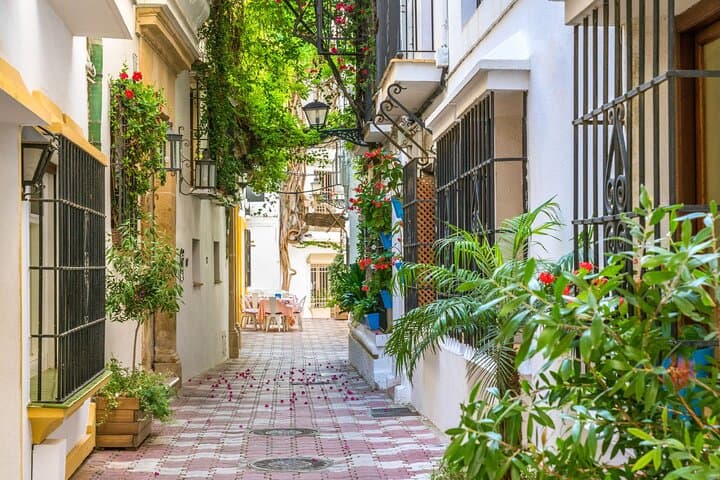
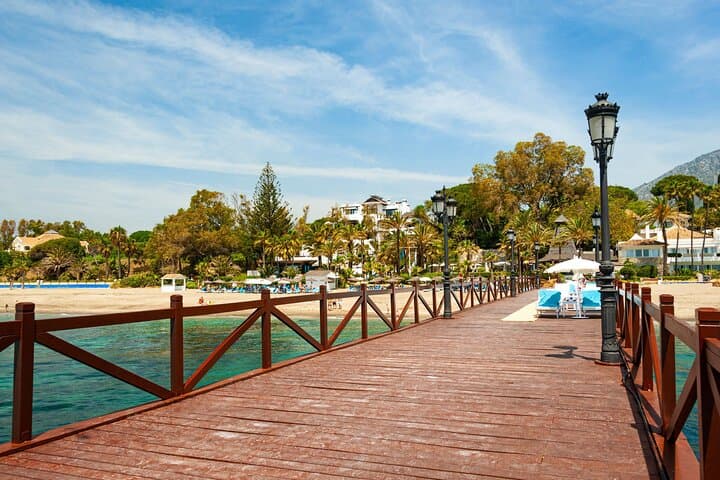
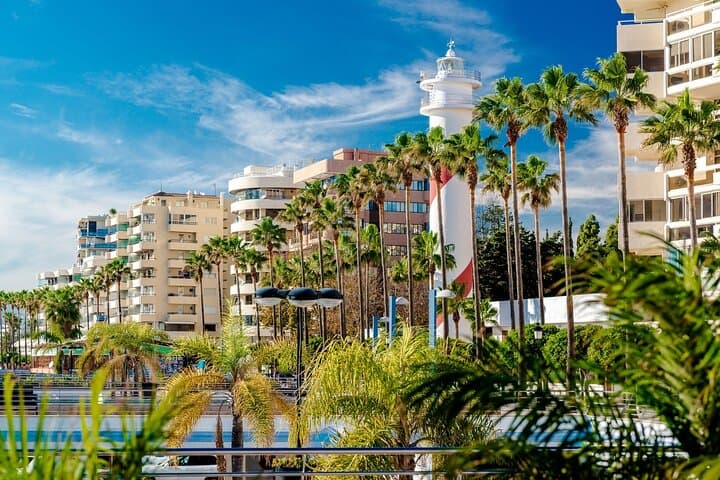
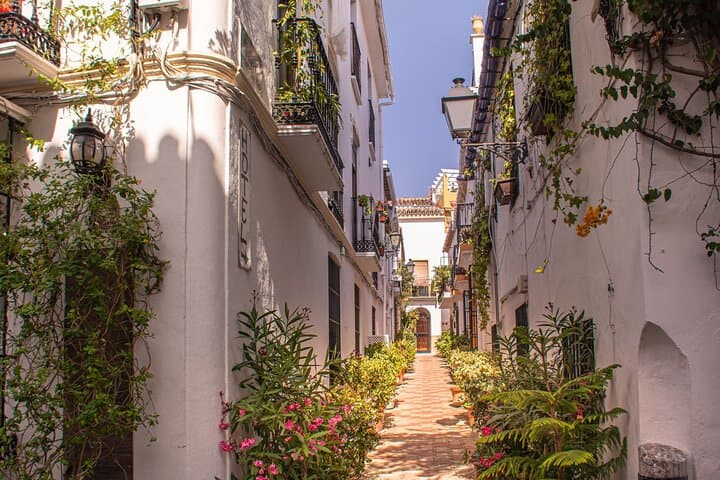
You step off the Paseo Marítimo and the sea takes the lead—the Mediterranean pressing close, its breeze rearranging umbrellas and conversations. Your guide adjusts the pace, folding the city into a route that fits your curiosity: a fortress of white houses to one side, a green lung of palms and orange trees to the other, alleys that narrow until you can hear the city breathing.
You step off the Paseo Marítimo and the sea takes the lead—the Mediterranean pressing close, its breeze rearranging umbrellas and conversations. Your guide adjusts the pace, folding the city into a route that fits your curiosity: a fortress of white houses to one side, a green lung of palms and orange trees to the other, alleys that narrow until you can hear the city breathing.
Marbella is an urban coastline shaped by layers: Phoenicians and Romans left trade routes, the Moors reworked streets and irrigation, and 16th-century chapels stitched Christian institutions into the old town. The Plaza de los Naranjos—its orange trees planted in the mid-20th century—still centers daily life, while the Alameda park, created in the 18th century, cools the city like a deliberate exhale. Geologically, Marbella sits between the limestone folds of Sierra Blanca and the sand-and-silt coast of the Costa del Sol; you can feel that shift where the city meets sea—stone giving way to pebbles and promenades.
Culturally, Marbella surprises. Beyond the yachts and glossy façades are family-run bakeries, a small but vibrant crafts scene, and neighborhoods where Andalusian traditions—tapas, flamenco rhythms, a late-evening tempo—carry on. The Paseo Marítimo stretches roughly 7 km, inviting rollerbladers and joggers to keep the sea company. Local guides trade standard itineraries for curiosity-driven routes: a culinary detour to a market stall, a stop at the Bonsai Museum, or a walk through streets that still remember Moorish cisterns.
Practically, this private three-hour tour is built around you. Guides speak English, Spanish, French, and Italian and will meet you at your hotel in Marbella or at a prearranged city center point. The pace is gentle—suitable for most fitness levels—and the route is wheelchair and stroller accessible, though the guide will avoid narrow alleys if mobility is a concern. For a cooler experience, plan morning or late-afternoon departures in summer; winters are mild but bring a light jacket.
Tips to get the most: ask your guide to secure tickets ahead for indoor sites, request a food-focused route to sample local panes and anchovies, and build a flexible endpoint if you want to linger at a seaside tapas bar. Keep a reusable water bottle, comfortable shoes, and a camera ready—the city rewards a slower eye. Cancellation is possible up to 24 hours before the tour.
At the end, you won’t just have seen Marbella—you’ll have learned how to move through it like someone who lives there: attentive to light, guided by scent and sound, and confident about where to return on your own.