THE ADVENTURE COLLECTIVE® · Independent discovery and booking for outdoor travel

Spend a full day from Paris touring Champagne’s major houses — Moët & Chandon, Pommery — plus the Pressoria museum. Expect cellar tours, tastings, and a lunch stop in Épernay.
Spend a full day from Paris touring Champagne’s major houses — Moët & Chandon, Pommery — plus the Pressoria museum. Expect cellar tours, tastings, and a lunch stop in Épernay.
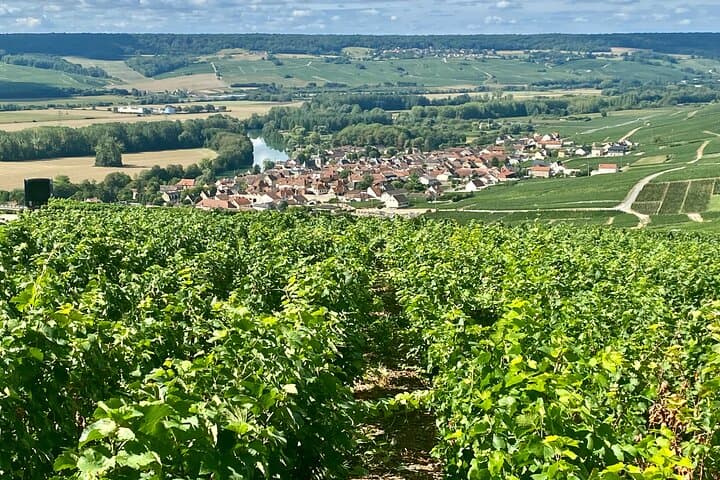
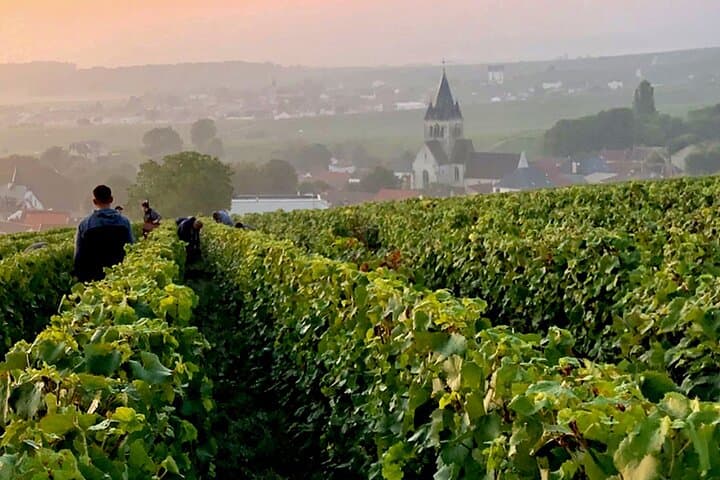
A low morning light slides across rows of vine-staked hills as a Mercedes eases out of Paris toward Champagne — three hours of road, small villages, and a landscape that tests the horizon with neat ribbons of grapevines. The day unfolds between cellars hewn from chalk, a compact museum on méthode champenoise, and the wide avenue-fronted houses that built France’s celebratory drink.
Verified experiences and guided adventures in the surrounding area.
Operated by Clewel Travel · Épernay, Grand Est
A low morning light slides across rows of vine-staked hills as a Mercedes eases out of Paris toward Champagne — three hours of road, small villages, and a landscape that tests the horizon with neat ribbons of grapevines. The day unfolds between cellars hewn from chalk, a compact museum on méthode champenoise, and the wide avenue-fronted houses that built France’s celebratory drink.
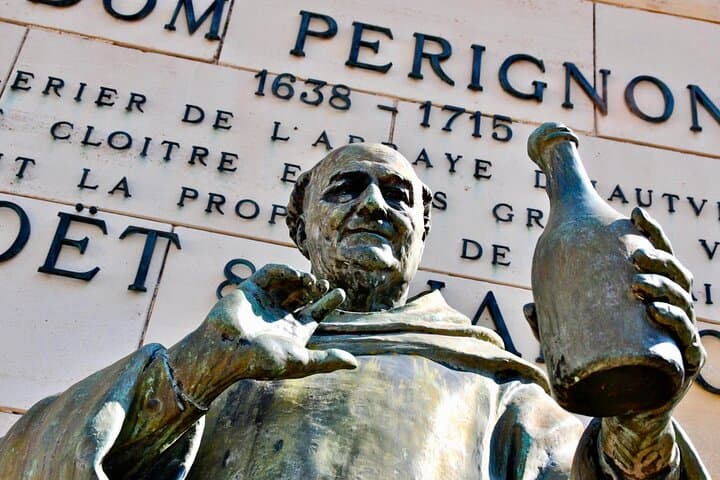
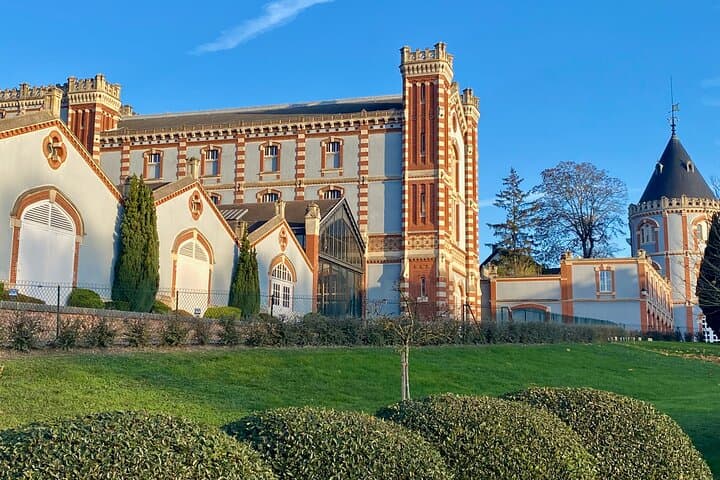
Champagne’s geology matters: the soft chalk under Épernay and Reims keeps constant cool, which made deep cellars ideal for secondary fermentation and long-aging. Cultural threads run through Hautvillers’ abbey — where Dom Pérignon refined techniques — and through the stately maisons such as Moët & Chandon and Pommery, each with its own archives and rituals for tasting and disgorgement.
Visitors will move between guided and audio-led cellars, compare tasting notes on Brut, Rosé and Grand Vintage, and learn the curious chemistry behind mousse and pressure. There are short outdoor moments — a vineyard viewpoint over the Marne and the Abbey’s hill — that place the production in landscape and season.
Practical side: expect about 11–12 hours total with hotel pickup in Paris, two short drives within Champagne, and several cellar-level walks and steps. Bring ID for tastings (18+), comfortable shoes for uneven cellar floors, and a jacket for the cool underground. Restaurant reservations are available through the operator; book Moët experiences early as space can be limited. This trip suits travelers who prefer a curated, informative day that balances history, geology and tasting with efficient transport between highlights.
easy.
11–12 hours.
Minimal fitness required; able to walk short distances and descend stairs in cellars.
The total door-to-door time is about 11–12 hours, including roughly 2 hours each way driving and on-site visits and tastings.
Yes — pickup and drop-off in Paris are provided; confirm your pickup point when booking.
Yes — tastings at Moët & Chandon, Pommery and Pressoria are included as described, though the exact Moët experience depends on selected option and availability.
The driver handles logistics and tickets but is not a live guide; a separate English-speaking guide can be arranged for an extra fee.
Champagne’s commercial identity grew in the 18th–19th centuries as producers like Moët and Pommery scaled production; many cellars were excavated in Gallo-Roman chalk pits.
Vineyard management increasingly uses cover crops and reduced chemical inputs to protect soil and the chalk aquifer; visitors should stick to marked paths and avoid trampling rows.
Clewel Travel operates guided outdoor trips and adventures with an emphasis on safety, stewardship, and memorable experiences.
A low morning light slides across rows of vine-staked hills as a Mercedes eases out of Paris toward Champagne — three hours of road, small villages, and a landscape that tests the horizon with neat ribbons of grapevines. The day unfolds between cellars hewn from chalk, a compact museum on méthode champenoise, and the wide avenue-fronted houses that built France’s celebratory drink.
A low morning light slides across rows of vine-staked hills as a Mercedes eases out of Paris toward Champagne — three hours of road, small villages, and a landscape that tests the horizon with neat ribbons of grapevines. The day unfolds between cellars hewn from chalk, a compact museum on méthode champenoise, and the wide avenue-fronted houses that built France’s celebratory drink.
Champagne’s geology matters: the soft chalk under Épernay and Reims keeps constant cool, which made deep cellars ideal for secondary fermentation and long-aging. Cultural threads run through Hautvillers’ abbey — where Dom Pérignon refined techniques — and through the stately maisons such as Moët & Chandon and Pommery, each with its own archives and rituals for tasting and disgorgement.
Visitors will move between guided and audio-led cellars, compare tasting notes on Brut, Rosé and Grand Vintage, and learn the curious chemistry behind mousse and pressure. There are short outdoor moments — a vineyard viewpoint over the Marne and the Abbey’s hill — that place the production in landscape and season.
Practical side: expect about 11–12 hours total with hotel pickup in Paris, two short drives within Champagne, and several cellar-level walks and steps. Bring ID for tastings (18+), comfortable shoes for uneven cellar floors, and a jacket for the cool underground. Restaurant reservations are available through the operator; book Moët experiences early as space can be limited. This trip suits travelers who prefer a curated, informative day that balances history, geology and tasting with efficient transport between highlights.