THE ADVENTURE COLLECTIVE® · Independent discovery and booking for outdoor travel

Drive one of the world’s most dramatic coastlines in a single day: from Camps Bay and Chapman’s Peak to the Cape of Good Hope and the African penguins at Boulders Beach. This private tour pairs scenic stops with short walks and local insights.
Drive one of the world’s most dramatic coastlines in a single day: from Camps Bay and Chapman’s Peak to the Cape of Good Hope and the African penguins at Boulders Beach. This private tour pairs scenic stops with short walks and local insights.
You step out of a compact van onto a narrow cliff road and the ocean immediately takes hold of the day — cold Atlantic wind, the smell of kelp, and a horizon that seems to run forever. The Private Cape Peninsula Day Tour moves with that drama: a deliberate loop around the southern lip of Africa that trades city skyline for raw coastline, stopping for short walks, coastal viewpoints and one-on-one time with the region’s most famous inhabitants — African penguins and winter whales when the season is right.
Verified experiences and guided adventures in the surrounding area.
Operated by African Xplora · Cape Town, Western Cape
You step out of a compact van onto a narrow cliff road and the ocean immediately takes hold of the day — cold Atlantic wind, the smell of kelp, and a horizon that seems to run forever. The Private Cape Peninsula Day Tour moves with that drama: a deliberate loop around the southern lip of Africa that trades city skyline for raw coastline, stopping for short walks, coastal viewpoints and one-on-one time with the region’s most famous inhabitants — African penguins and winter whales when the season is right.
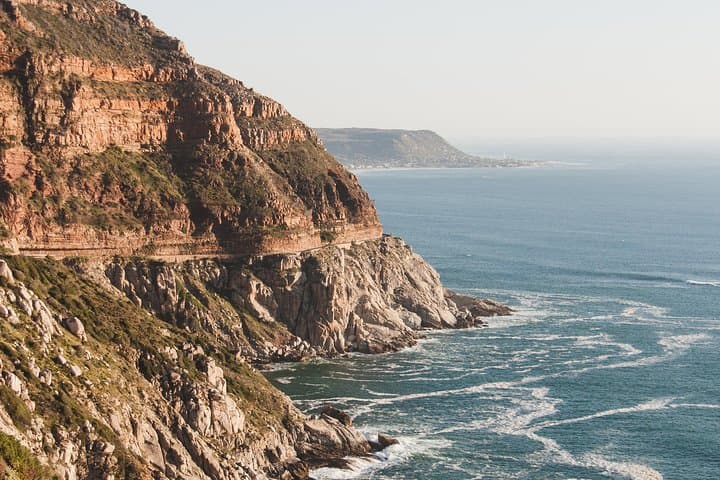
This route follows roads built on deep geological history: Table Mountain’s sandstone spine stretches south into the Twelve Apostles, then breaks into sea-scraped headlands at Chapman’s Peak and the Cape of Good Hope. European mariners recorded these capes from the 15th century; Simon’s Town later became a strategic British naval base, which explains the Victorian houses and orderly quays you’ll pass. Cultural life along False Bay and Hout Bay still centers on the sea — small fishermen’s harbors and weekend markets keep an everyday, local pulse beneath the tourists.
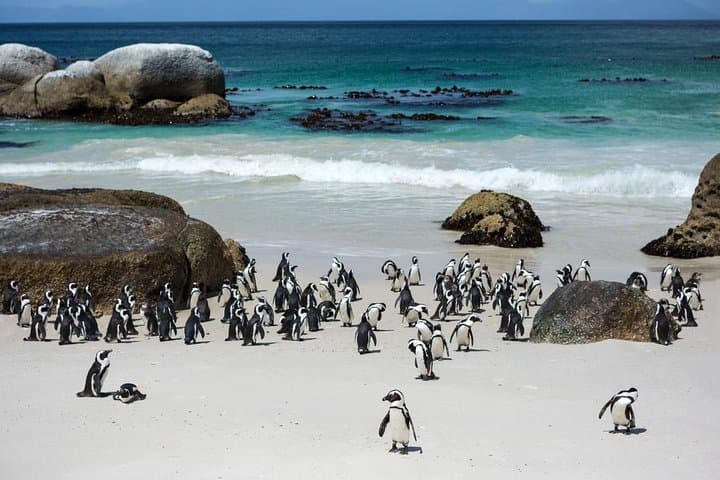
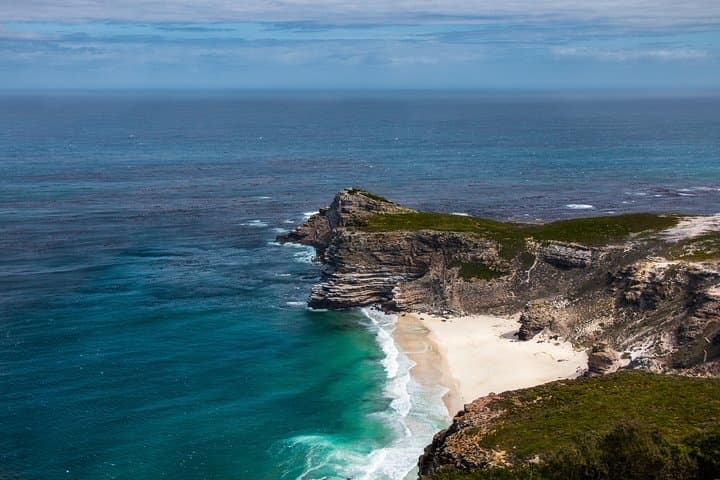
Geology and biodiversity orient the tour. Cape Point rewards a short climb (or a seven-minute funicular) up to a lighthouse sitting roughly 249 meters above sea level, where cliffs drop into the surf and Southern Ocean swells test the view. Boulders Beach offers a gentler scene: low granite outcrops, sheltered bays and the protected colony where African penguins waddle between boardwalks and beach. The Cape of Good Hope Nature Reserve, part of Table Mountain National Park, covers thousands of hectares of fynbos vegetation and supports baboons, ostrich sightings along farm edges and many sea birds.
Practical edge: expect 8–10 hours in the van and around 120–160 km of driving as the itinerary threads from Camps Bay to Muizenberg, with multiple photo stops and two reserve entries. Walking at the major stops is short but uneven — boardwalks at Boulders and rocky trails at Cape Point — so comfortable shoes and a wind layer matter more than technical gear. Bring water, sunscreen and a camera with a mid-telephoto for wildlife and shoreline details. If you want the Hout Bay seal cruise, factor extra time in; if you’re chasing whales, plan for June–November and tell your guide.
The private format makes this a good single-day primer on Cape Town’s wild coast — a way to see the peninsula’s contrasts, learn local history, and leave with a solid plan for return visits to the beaches, peaks and protected corners that demand more time.
easy.
8–10 hours.
Suitable for most fitness levels — short, non-technical walks and extended periods in a vehicle.
Yes — the tour's price includes entrance fees to Cape Point Nature Reserve and the Boulders Beach penguin colony.
Yes — the operator offers pickup from hotels, guesthouses and central ports in Cape Town; confirm the pickup location when booking.
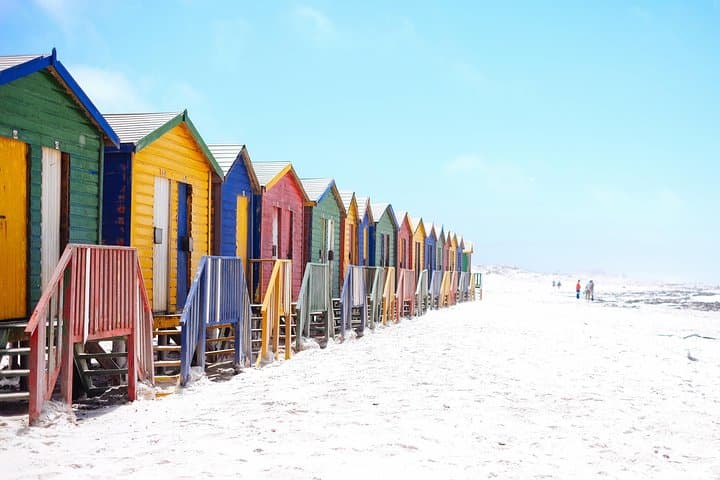
You can swim at some beaches like Muizenberg in summer; Atlantic waters at camps like Clifton can be cold and are frequently rough — check conditions first.
Yes — the tour notes stroller access and available infant seats, but keep children supervised around wildlife and cliff edges.
Whale sightings are seasonal (mainly June–November) and not guaranteed; Chapman’s Peak and coastal outlooks increase your chances during the season.
Hout Bay stop is optional; speak to your guide in advance to allocate time for a seal cruise — it may shorten time at other stops.
Simon’s Town’s Victorian architecture reflects its long role as a British naval base; the coastline has been a major navigation waypoint since the age of sail.
Boulders Beach is a protected reserve for threatened African penguins, and Cape Point is part of Table Mountain National Park — stick to paths to protect fragile fynbos habitats.
African Xplora operates guided outdoor trips and adventures with an emphasis on safety, stewardship, and memorable experiences.
You step out of a compact van onto a narrow cliff road and the ocean immediately takes hold of the day — cold Atlantic wind, the smell of kelp, and a horizon that seems to run forever. The Private Cape Peninsula Day Tour moves with that drama: a deliberate loop around the southern lip of Africa that trades city skyline for raw coastline, stopping for short walks, coastal viewpoints and one-on-one time with the region’s most famous inhabitants — African penguins and winter whales when the season is right.
You step out of a compact van onto a narrow cliff road and the ocean immediately takes hold of the day — cold Atlantic wind, the smell of kelp, and a horizon that seems to run forever. The Private Cape Peninsula Day Tour moves with that drama: a deliberate loop around the southern lip of Africa that trades city skyline for raw coastline, stopping for short walks, coastal viewpoints and one-on-one time with the region’s most famous inhabitants — African penguins and winter whales when the season is right.
This route follows roads built on deep geological history: Table Mountain’s sandstone spine stretches south into the Twelve Apostles, then breaks into sea-scraped headlands at Chapman’s Peak and the Cape of Good Hope. European mariners recorded these capes from the 15th century; Simon’s Town later became a strategic British naval base, which explains the Victorian houses and orderly quays you’ll pass. Cultural life along False Bay and Hout Bay still centers on the sea — small fishermen’s harbors and weekend markets keep an everyday, local pulse beneath the tourists.
Geology and biodiversity orient the tour. Cape Point rewards a short climb (or a seven-minute funicular) up to a lighthouse sitting roughly 249 meters above sea level, where cliffs drop into the surf and Southern Ocean swells test the view. Boulders Beach offers a gentler scene: low granite outcrops, sheltered bays and the protected colony where African penguins waddle between boardwalks and beach. The Cape of Good Hope Nature Reserve, part of Table Mountain National Park, covers thousands of hectares of fynbos vegetation and supports baboons, ostrich sightings along farm edges and many sea birds.
Practical edge: expect 8–10 hours in the van and around 120–160 km of driving as the itinerary threads from Camps Bay to Muizenberg, with multiple photo stops and two reserve entries. Walking at the major stops is short but uneven — boardwalks at Boulders and rocky trails at Cape Point — so comfortable shoes and a wind layer matter more than technical gear. Bring water, sunscreen and a camera with a mid-telephoto for wildlife and shoreline details. If you want the Hout Bay seal cruise, factor extra time in; if you’re chasing whales, plan for June–November and tell your guide.
The private format makes this a good single-day primer on Cape Town’s wild coast — a way to see the peninsula’s contrasts, learn local history, and leave with a solid plan for return visits to the beaches, peaks and protected corners that demand more time.