THE ADVENTURE COLLECTIVE® · Independent discovery and booking for outdoor travel

In three hours a private guide and vehicle thread you through Budapest’s defining sites — Chain Bridge, Castle District, Heroes’ Square — combining panoramic photo stops with local history and practical tips for making the most of the city.
In three hours a private guide and vehicle thread you through Budapest’s defining sites — Chain Bridge, Castle District, Heroes’ Square — combining panoramic photo stops with local history and practical tips for making the most of the city.
You step out of a quiet hotel lobby into a city that moves like a river — the Danube pressing a cool clarity through the streets, bridges spanning history like vertebrae. In three hours a private guide and vehicle move you across that current: from the ornate façade of the Parliament to the stone steps of the Castle District, through wide boulevards and up to a viewpoint where the river gleams between historic roofs.
Verified experiences and guided adventures in the surrounding area.
Operated by Randon Travel · Budapest, Budapest
You step out of a quiet hotel lobby into a city that moves like a river — the Danube pressing a cool clarity through the streets, bridges spanning history like vertebrae. In three hours a private guide and vehicle move you across that current: from the ornate façade of the Parliament to the stone steps of the Castle District, through wide boulevards and up to a viewpoint where the river gleams between historic roofs.
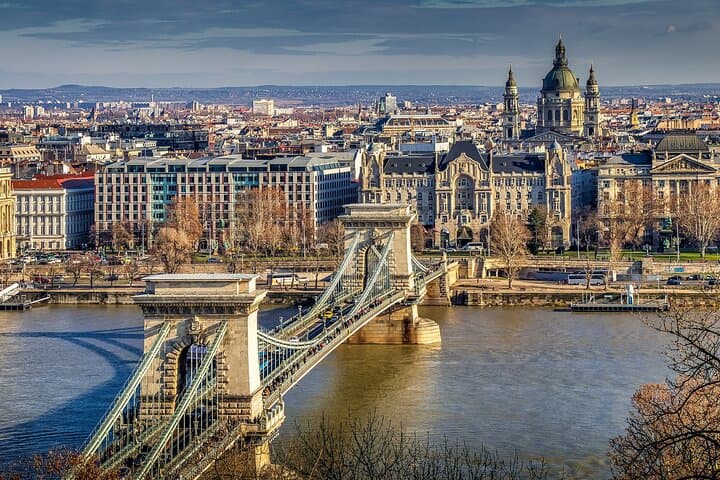
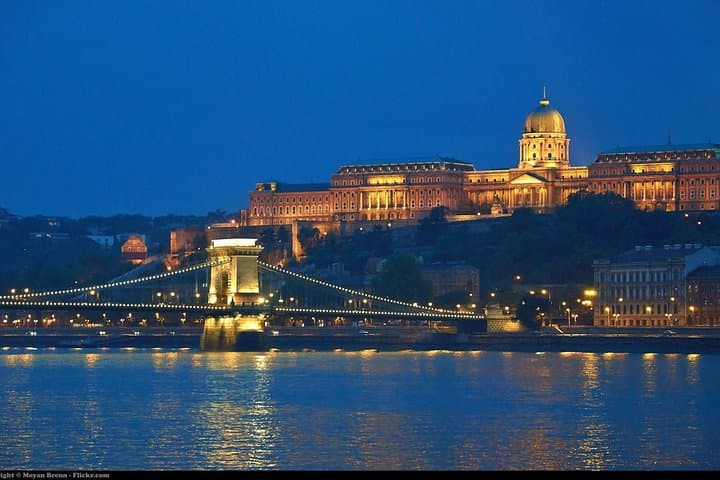
Budapest is two cities stitched together by water and time. Buda’s hills are older rock — Eocene limestone folded into terraces — and they give the Chain Bridge and the Royal Castle their vertical drama. Pest, to the east, unfurled later as a grid of grand 19th-century boulevards: Andrássy Avenue, lined with neo-Renaissance facades and the proud dome of St. Stephen’s Basilica. The Great Market Hall sings a different story: a 19th-century iron-and-brick shed where paprika stalls, cured salamis and chimney cakes map the culinary pulse.
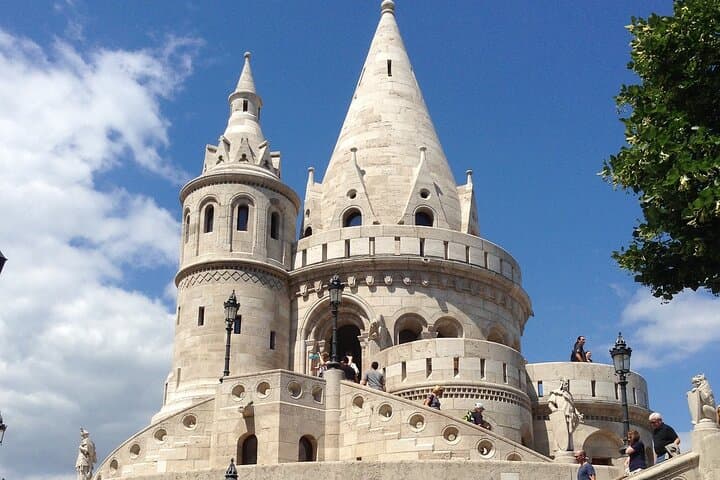
This private sightseeing loop balances high-impact stops and compact context. Walk the Chain Bridge to feel the ironwork hum under your feet, then climb into the Castle District where Matthias Church points with Gothic flourish and the Fishermen’s Bastion offers crenellated views over the Danube. Gellért Hill dares you to climb for a panorama of bridges and island green; Heroes’ Square lays out Hungary’s modern mythos in bronze and stone.
Local life threads through the monuments. The Jewish Quarter hums with café culture and a history tied to resilience; street vendors in the Market Hall keep recipes passed down from farmsteads outside the city. Guides here tend to mix archival anecdotes with practical navigation — how to bypass crowds, where to taste a true lángos, and which tram to catch if you decide to continue exploring.
Practical edge: expect mostly paved streets and steps, with short hill climbs (Gellért Hill is roughly 140–200 meters gain if you take stair routes). The tour includes hotel pickup and private transport between spread-out sights, but plan for 30–60 minutes of walking on uneven paving and cobbles. Comfortable shoes, a lightweight rain layer and a small water bottle keep you moving.
Timing matters. Start in the morning to dodge coach-tour tides at the Castle and Heroes’ Square. If you want interior access to Parliament or the Royal Palace add time and advance reservations — this private tour is structured for exterior highlights and curated photo stops.
In three hours you won’t master Budapest, but you will leave with a clear map of its spine — bridges, boulevards and viewpoints — and the practical know-how to return on your own terms.
easy.
3 hours.
Suitable for travelers who can walk 1.5–3 miles with stairs and short hills; no special fitness required.
Yes — the tour includes hotel pickup and drop-off from central Budapest hotels; you’ll confirm a pickup point during booking.
This tour focuses on exterior highlights and photo stops; interior visits (Parliament, palace rooms) may require extra time and advance reservations.
The operator lists the tour as wheelchair accessible, though some historic sites have steps; notify them in advance to arrange suitable routes.
Guides usually work in English and other major languages—confirm language needs at booking so the right guide is assigned.
No formal tastings are included, but the itinerary stops at the Great Market Hall where you can sample local foods at your own expense.
Extensions are often possible for an additional fee—inform the supplier in advance or ask your guide during the tour.
Budapest formed from the union of Buda, Pest and Óbuda in 1873; the 19th century is when much of the city’s grand boulevards and public buildings were constructed during a period of rapid modernization.
Increasing foot traffic puts pressure on historic stonework and tramlines; choose bottled-free hydration and respect restricted areas to reduce wear and litter.
Randon Travel operates guided outdoor trips and adventures with an emphasis on safety, stewardship, and memorable experiences.
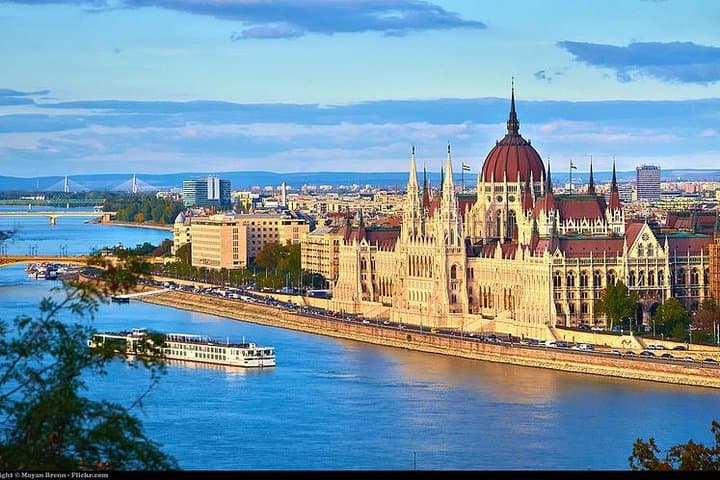
You step out of a quiet hotel lobby into a city that moves like a river — the Danube pressing a cool clarity through the streets, bridges spanning history like vertebrae. In three hours a private guide and vehicle move you across that current: from the ornate façade of the Parliament to the stone steps of the Castle District, through wide boulevards and up to a viewpoint where the river gleams between historic roofs.
You step out of a quiet hotel lobby into a city that moves like a river — the Danube pressing a cool clarity through the streets, bridges spanning history like vertebrae. In three hours a private guide and vehicle move you across that current: from the ornate façade of the Parliament to the stone steps of the Castle District, through wide boulevards and up to a viewpoint where the river gleams between historic roofs.
Budapest is two cities stitched together by water and time. Buda’s hills are older rock — Eocene limestone folded into terraces — and they give the Chain Bridge and the Royal Castle their vertical drama. Pest, to the east, unfurled later as a grid of grand 19th-century boulevards: Andrássy Avenue, lined with neo-Renaissance facades and the proud dome of St. Stephen’s Basilica. The Great Market Hall sings a different story: a 19th-century iron-and-brick shed where paprika stalls, cured salamis and chimney cakes map the culinary pulse.
This private sightseeing loop balances high-impact stops and compact context. Walk the Chain Bridge to feel the ironwork hum under your feet, then climb into the Castle District where Matthias Church points with Gothic flourish and the Fishermen’s Bastion offers crenellated views over the Danube. Gellért Hill dares you to climb for a panorama of bridges and island green; Heroes’ Square lays out Hungary’s modern mythos in bronze and stone.
Local life threads through the monuments. The Jewish Quarter hums with café culture and a history tied to resilience; street vendors in the Market Hall keep recipes passed down from farmsteads outside the city. Guides here tend to mix archival anecdotes with practical navigation — how to bypass crowds, where to taste a true lángos, and which tram to catch if you decide to continue exploring.
Practical edge: expect mostly paved streets and steps, with short hill climbs (Gellért Hill is roughly 140–200 meters gain if you take stair routes). The tour includes hotel pickup and private transport between spread-out sights, but plan for 30–60 minutes of walking on uneven paving and cobbles. Comfortable shoes, a lightweight rain layer and a small water bottle keep you moving.
Timing matters. Start in the morning to dodge coach-tour tides at the Castle and Heroes’ Square. If you want interior access to Parliament or the Royal Palace add time and advance reservations — this private tour is structured for exterior highlights and curated photo stops.
In three hours you won’t master Budapest, but you will leave with a clear map of its spine — bridges, boulevards and viewpoints — and the practical know-how to return on your own terms.