THE ADVENTURE COLLECTIVE® · Independent discovery and booking for outdoor travel

Spend a full day with a private guide and car exploring Bhubaneswar’s most significant temples—Lingaraj, Mukteshwar, Rajarani—then follow the arc of history to Dhauli and the ancient caves of Khandagiri and Udayagiri. This eight-hour circuit balances carved architecture, Buddhist heritage, and practical logistics for a focused cultural day trip.
Spend a full day with a private guide and car exploring Bhubaneswar’s most significant temples—Lingaraj, Mukteshwar, Rajarani—then follow the arc of history to Dhauli and the ancient caves of Khandagiri and Udayagiri. This eight-hour circuit balances carved architecture, Buddhist heritage, and practical logistics for a focused cultural day trip.
You pull away from a hotel-lined street and the city of Bhubaneswar unfurls like a map of stone and shrine. The driver threads the car through wide boulevards and sudden market bustle; your guide points out spires ahead—an outline of carved sandstone rising through heat haze. By the time you step from the vehicle at Lingaraj, the city’s history presses close: priests, pilgrims and pigeons move around a structure that has watched the region for a thousand years.
Verified experiences and guided adventures in the surrounding area.
Operated by 5 Senses Walks · Bhubaneswar, Odisha
You pull away from a hotel-lined street and the city of Bhubaneswar unfurls like a map of stone and shrine. The driver threads the car through wide boulevards and sudden market bustle; your guide points out spires ahead—an outline of carved sandstone rising through heat haze. By the time you step from the vehicle at Lingaraj, the city’s history presses close: priests, pilgrims and pigeons move around a structure that has watched the region for a thousand years.
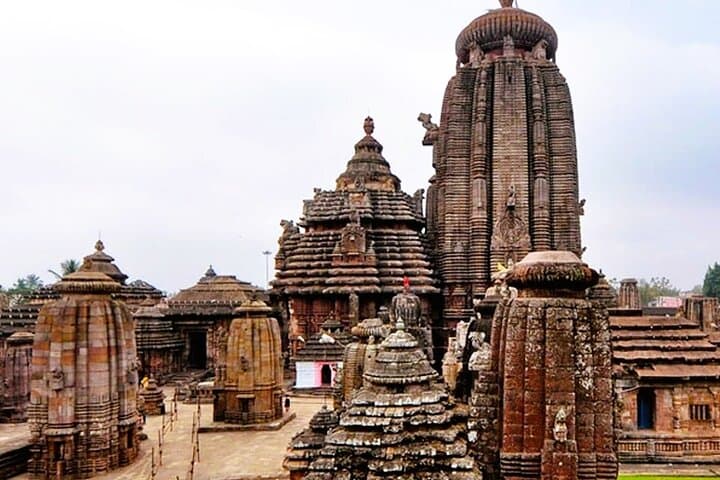
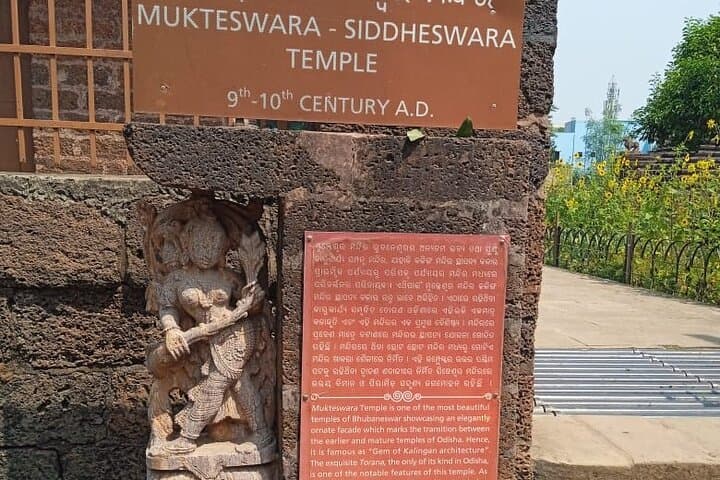
Lingaraj’s high tower is Kalinga architecture at scale—sandstone stacked into tiered rhythms with niches full of gods and dancers. A short drive away, Mukteshwar and the Rajarani temple offer contrasting details: Mukteshwar’s ornate torana arch and sensuous stonework from the 10th century; Rajarani’s sculptures of women caught mid-gesture, including poses identical to Odissi dance steps still performed in Odisha today.
The tour makes a deliberate leap in time at Dhauli, where the landscape flattens and the Daya River skirts low hills. Here the rock edicts remind you that in 260 BCE Ashoka renounced conquest, beginning a cultural shift that spread Buddhist ideas across Asia. The modern Peace Pagoda, a Japanese–Indian collaboration from 1972, crowns the ridge and obliges a moment of quiet—wind moving like a low chorus across the stupa.
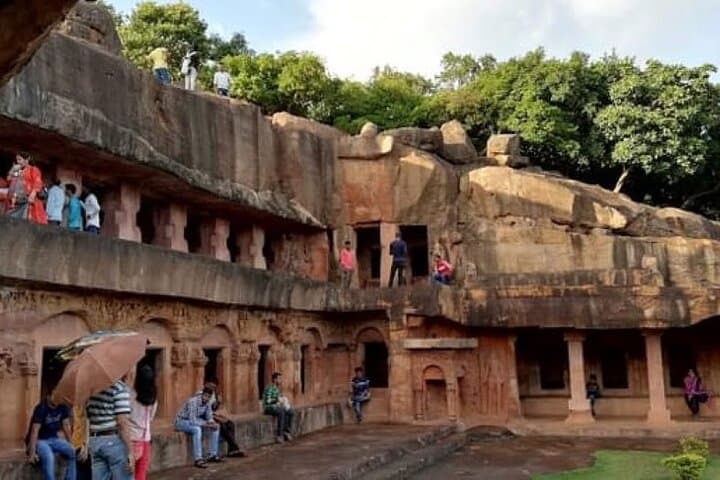
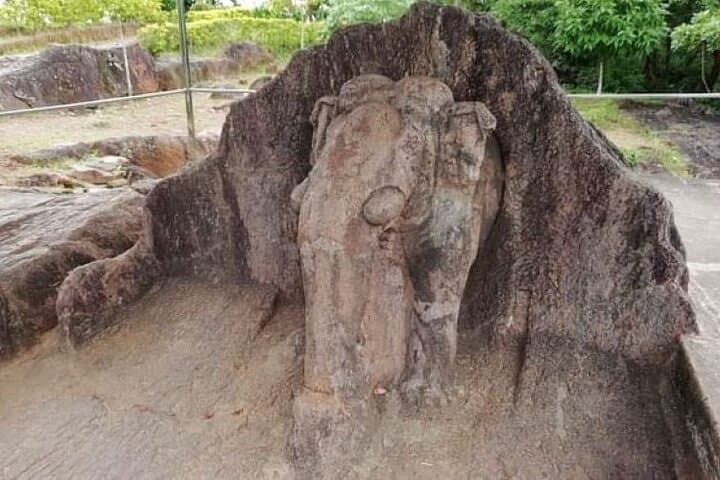
Khandagiri and Udayagiri close the day with caves cut into sandstone—monastic cells and reliefs from the era of King Kharavela. The caves are tactile history: hand-chiseled faces, inscriptions, and a climb that rewards with views over the city and the occasional temple roof poking through neem trees.
Practicalities: the private-car format makes this a comfortable eight-hour circuit with hotel pickup and drop-off included. Expect a mix of short walks and stair climbs at temple complexes; modest clothing is required in active worship spaces and shoes will be removed at many entrances. Your guide handles timing and local etiquette and often arranges a simple lunch of regional cuisine mid-tour.
For photographers, morning light highlights the east-facing carvings at Udayagiri; late afternoon warms Lingaraj’s façade. Hydrate between stops—the August-to-September monsoon can make afternoons humid, while winter mornings are cool and crisp.
This is a day designed for context as much as sightseeing: temples are living places, not museum pieces. A guided private tour lets you place the stonework in layers of political change, religious exchange, and the continuing cultural life of Bhubaneswar—where every lintel and stele has a story and the city keeps listening.
easy.
8 hours.
Light fitness—comfortable walking and stair-climbing at temple sites; suitable for most travelers
Yes—hotel pickup and drop-off within Bhubaneswar city limits is included; confirm your exact hotel address when booking.
Some sites collect small entry fees (e.g., Khandagiri/Udayagiri) that may not be included—bring cash for admissions if required.
Modest clothing is required in active worship areas—cover shoulders and knees; you will remove shoes at many temple entrances.
Yes—the pace is manageable with a private car, but expect some stair climbs; notify the operator of mobility needs when booking.
Yes—the rock edicts and the Peace Pagoda are part of the Dhauli stop; expect brief walks and interpretive explanations by your guide.
Private format allows flexibility—most operators will adjust stops, timing, or add local market visits if requested in advance.
Bhubaneswar was the capital of ancient Kalinga; temples span from the 1st century BCE to medieval dynasties like the Somavamsis and show the region’s Hindu and Jain traditions.
Many sites are active religious spaces—avoid touching carvings, use marked pathways and carry out litter; support locally-run conservation initiatives when possible.
5 Senses Walks operates guided outdoor trips and adventures with an emphasis on safety, stewardship, and memorable experiences.
You pull away from a hotel-lined street and the city of Bhubaneswar unfurls like a map of stone and shrine. The driver threads the car through wide boulevards and sudden market bustle; your guide points out spires ahead—an outline of carved sandstone rising through heat haze. By the time you step from the vehicle at Lingaraj, the city’s history presses close: priests, pilgrims and pigeons move around a structure that has watched the region for a thousand years.
You pull away from a hotel-lined street and the city of Bhubaneswar unfurls like a map of stone and shrine. The driver threads the car through wide boulevards and sudden market bustle; your guide points out spires ahead—an outline of carved sandstone rising through heat haze. By the time you step from the vehicle at Lingaraj, the city’s history presses close: priests, pilgrims and pigeons move around a structure that has watched the region for a thousand years.
Lingaraj’s high tower is Kalinga architecture at scale—sandstone stacked into tiered rhythms with niches full of gods and dancers. A short drive away, Mukteshwar and the Rajarani temple offer contrasting details: Mukteshwar’s ornate torana arch and sensuous stonework from the 10th century; Rajarani’s sculptures of women caught mid-gesture, including poses identical to Odissi dance steps still performed in Odisha today.
The tour makes a deliberate leap in time at Dhauli, where the landscape flattens and the Daya River skirts low hills. Here the rock edicts remind you that in 260 BCE Ashoka renounced conquest, beginning a cultural shift that spread Buddhist ideas across Asia. The modern Peace Pagoda, a Japanese–Indian collaboration from 1972, crowns the ridge and obliges a moment of quiet—wind moving like a low chorus across the stupa.
Khandagiri and Udayagiri close the day with caves cut into sandstone—monastic cells and reliefs from the era of King Kharavela. The caves are tactile history: hand-chiseled faces, inscriptions, and a climb that rewards with views over the city and the occasional temple roof poking through neem trees.
Practicalities: the private-car format makes this a comfortable eight-hour circuit with hotel pickup and drop-off included. Expect a mix of short walks and stair climbs at temple complexes; modest clothing is required in active worship spaces and shoes will be removed at many entrances. Your guide handles timing and local etiquette and often arranges a simple lunch of regional cuisine mid-tour.
For photographers, morning light highlights the east-facing carvings at Udayagiri; late afternoon warms Lingaraj’s façade. Hydrate between stops—the August-to-September monsoon can make afternoons humid, while winter mornings are cool and crisp.
This is a day designed for context as much as sightseeing: temples are living places, not museum pieces. A guided private tour lets you place the stonework in layers of political change, religious exchange, and the continuing cultural life of Bhubaneswar—where every lintel and stele has a story and the city keeps listening.