THE ADVENTURE COLLECTIVE® · Independent discovery and booking for outdoor travel

Disembark at Benoa Harbor and spend a private, 10‑hour shore excursion through Bali’s cultural core: the layered rice fields of Tegalalang, the cleansing pools of Tirta Empul, Ubud’s market and monkey groves, and a waterfall climb. This private tour pairs local knowledge with flexible stops to make the most of a single day ashore.
Disembark at Benoa Harbor and spend a private, 10‑hour shore excursion through Bali’s cultural core: the layered rice fields of Tegalalang, the cleansing pools of Tirta Empul, Ubud’s market and monkey groves, and a waterfall climb. This private tour pairs local knowledge with flexible stops to make the most of a single day ashore.
You step off the ship and the humid Bali air takes you in—sweet frangipani, diesel, and the distant thump of gamelan from a nearby shore-side stall. At Benoa Harbor your driver is waiting with a placard; the van smells of cold air-conditioning and bottled water. The harbor recedes in the rearview and the island opens up: coastal palms become rice fields, and the road angles inland toward Ubud’s folding hills.
Verified experiences and guided adventures in the surrounding area.
Operated by East Bali Tour · Benoa, Bali
You step off the ship and the humid Bali air takes you in—sweet frangipani, diesel, and the distant thump of gamelan from a nearby shore-side stall. At Benoa Harbor your driver is waiting with a placard; the van smells of cold air-conditioning and bottled water. The harbor recedes in the rearview and the island opens up: coastal palms become rice fields, and the road angles inland toward Ubud’s folding hills.
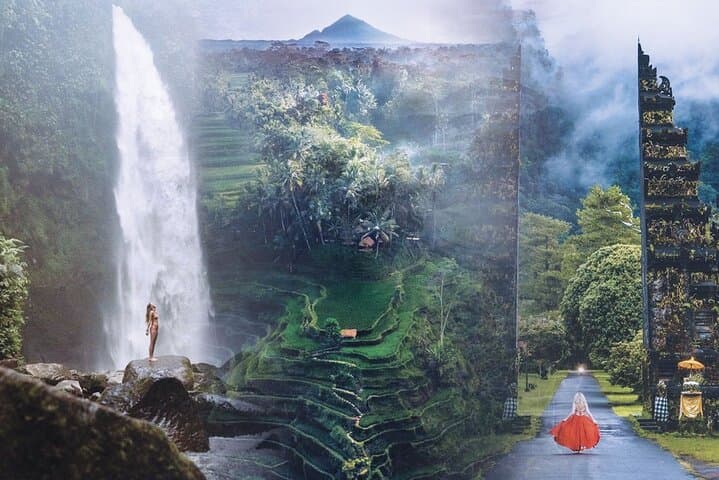
By mid-morning you’re at Tegalalang, where terraces cut the slope into green steps. The subak system—centuries-old community irrigation—still dictates the rhythm here; water moves like a deliberate guest through channels, and farmers tend terraces that ride the contours as if they were written into the land. It’s the first real encounter with Bali’s landscape logic: volcanic soil, steady monsoons, and an agricultural religion that keeps fields productive and communities bound.
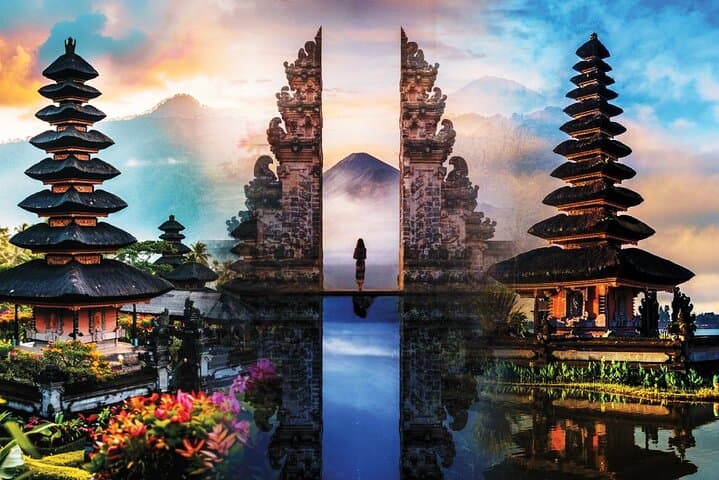
Tirta Empul offers a different register: a temple built around spring water considered holy by Balinese Hindus. At the purification pools you’ll see locals move through ritual stations—water playing referee between body and spirit. The temple’s stone and moss speak to a long history of sacred kingship and irrigation rites that helped stabilise local governance in the island’s past.
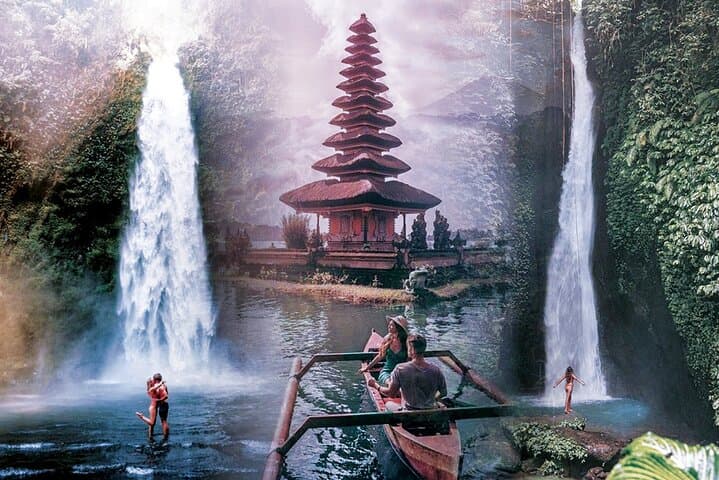
Later, Ubud’s art market and Monkey Forest compress culture, commerce, and conflict into a lively neighborhood. Artists and vendors line narrow lanes; monkeys patrol the trees as if checking the day’s gossip. Kanto Lampo waterfall, further east, is rawer—water pounding down basalt, daring you to step closer and cool off. If you timed the morning right you’ll have avoided crowds; in the late afternoon, Gianyar Night Market unfurls street-food culture in loud, efficient rows.
Practical edge: this is a private shore excursion—10 hours total, customizable up to five stops, and designed for cruise passengers who need reliable port pickup and return. Distances are short by global standards but traffic can stretch transit times; expect 60–90 minutes from Benoa to Ubud depending on the route. Temperatures are tropical; hydration and sun protection aren’t optional.
What to prepare: modest, quick-dry clothing for temple visits (sarong and sash available at many temples but bring a lightweight option), sturdy sandals for uneven paths and wet rocks, a light rain layer in monsoon months, and small cash for entrance fees, offerings, and market haggling. Respect temple protocol—don’t point your feet at shrines, and ask before photographing ceremonies.
Why book it: the local driver-guide model compresses time, opens hidden lanes, and offers flexibility to swap a market stop for a quieter rice-valley view. For a day between ship calls, it’s the practical route to see Bali’s cultural peaks without the guesswork.
easy.
10 hours.
Suitable for most fitness levels; expect short walks on uneven paths and a few small climbs at waterfalls and terraces.
The tour runs about 10 hours (600 minutes) and is private—your guide will help plan up to five stops along one route to match your interests.
Yes—pickup and drop-off at Benoa Harbor (port pickup) are included and the driver will meet you with a sign.
Bottled water and private transportation are included; entrance fees, meals, and optional donations at temples are not included unless specified.
Yes—the tour is suitable for all fitness levels. Bring sunscreen, insect repellent, and be prepared for short walks; supervise children around monkeys and water.
Yes—travel to Gilimanuk, Lovina or Amed is possible for an additional surcharge (USD 30 per area) as noted in the booking details.
The local driver usually speaks English; if you need another language, request it before booking and we’ll do our best to accommodate.
Bali’s valley temples and subak irrigation date back centuries; water temples like Tirta Empul were central to both spiritual life and rice cultivation governance.
Stick to marked paths and avoid feeding wildlife; many sites rely on tourism revenue for preservation—use local guides and minimize single‑use plastics.
East Bali Tour operates guided outdoor trips and adventures with an emphasis on safety, stewardship, and memorable experiences.

You step off the ship and the humid Bali air takes you in—sweet frangipani, diesel, and the distant thump of gamelan from a nearby shore-side stall. At Benoa Harbor your driver is waiting with a placard; the van smells of cold air-conditioning and bottled water. The harbor recedes in the rearview and the island opens up: coastal palms become rice fields, and the road angles inland toward Ubud’s folding hills.
You step off the ship and the humid Bali air takes you in—sweet frangipani, diesel, and the distant thump of gamelan from a nearby shore-side stall. At Benoa Harbor your driver is waiting with a placard; the van smells of cold air-conditioning and bottled water. The harbor recedes in the rearview and the island opens up: coastal palms become rice fields, and the road angles inland toward Ubud’s folding hills.
By mid-morning you’re at Tegalalang, where terraces cut the slope into green steps. The subak system—centuries-old community irrigation—still dictates the rhythm here; water moves like a deliberate guest through channels, and farmers tend terraces that ride the contours as if they were written into the land. It’s the first real encounter with Bali’s landscape logic: volcanic soil, steady monsoons, and an agricultural religion that keeps fields productive and communities bound.
Tirta Empul offers a different register: a temple built around spring water considered holy by Balinese Hindus. At the purification pools you’ll see locals move through ritual stations—water playing referee between body and spirit. The temple’s stone and moss speak to a long history of sacred kingship and irrigation rites that helped stabilise local governance in the island’s past.
Later, Ubud’s art market and Monkey Forest compress culture, commerce, and conflict into a lively neighborhood. Artists and vendors line narrow lanes; monkeys patrol the trees as if checking the day’s gossip. Kanto Lampo waterfall, further east, is rawer—water pounding down basalt, daring you to step closer and cool off. If you timed the morning right you’ll have avoided crowds; in the late afternoon, Gianyar Night Market unfurls street-food culture in loud, efficient rows.
Practical edge: this is a private shore excursion—10 hours total, customizable up to five stops, and designed for cruise passengers who need reliable port pickup and return. Distances are short by global standards but traffic can stretch transit times; expect 60–90 minutes from Benoa to Ubud depending on the route. Temperatures are tropical; hydration and sun protection aren’t optional.
What to prepare: modest, quick-dry clothing for temple visits (sarong and sash available at many temples but bring a lightweight option), sturdy sandals for uneven paths and wet rocks, a light rain layer in monsoon months, and small cash for entrance fees, offerings, and market haggling. Respect temple protocol—don’t point your feet at shrines, and ask before photographing ceremonies.
Why book it: the local driver-guide model compresses time, opens hidden lanes, and offers flexibility to swap a market stop for a quieter rice-valley view. For a day between ship calls, it’s the practical route to see Bali’s cultural peaks without the guesswork.