THE ADVENTURE COLLECTIVE® · Independent discovery and booking for outdoor travel

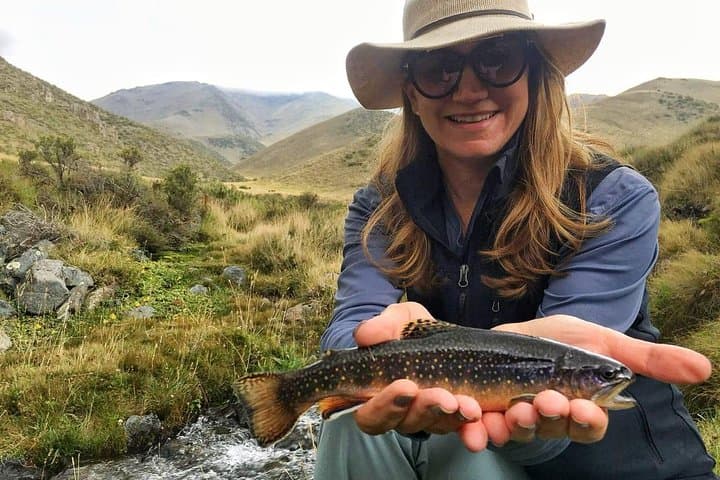
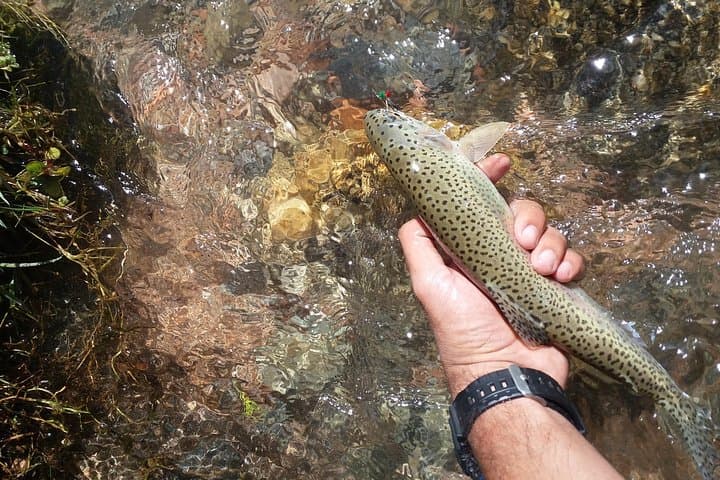
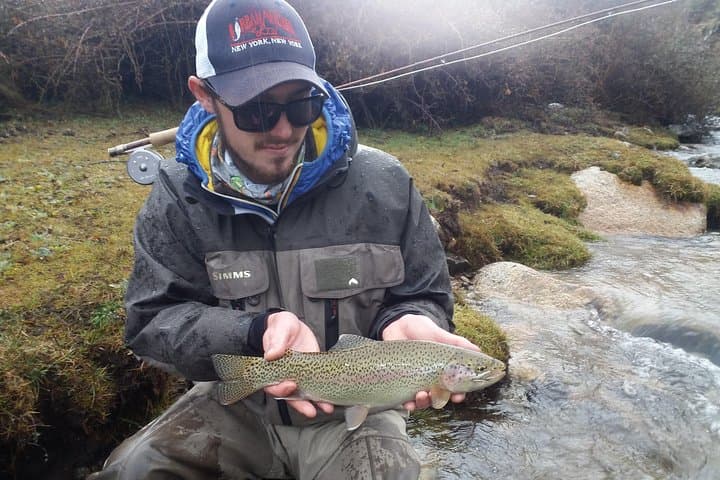
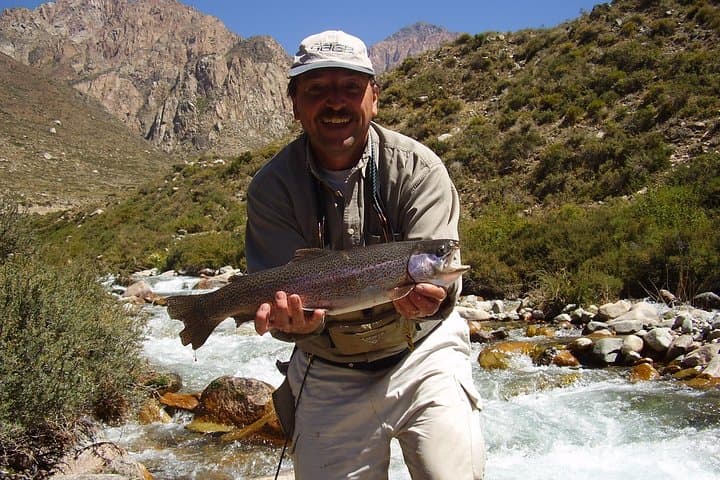
Follow a fast, clear Andean river through the Uco Valley on a private ranch where rainbow and brown trout wait in pocket water beneath condors. This full-day guided trip from Mendoza blends small-stream fly fishing with an Argentine asado and big-mountain scenery.
Follow a fast, clear Andean river through the Uco Valley on a private ranch where rainbow and brown trout wait in pocket water beneath condors. This full-day guided trip from Mendoza blends small-stream fly fishing with an Argentine asado and big-mountain scenery.
Dawn spills over the Uco Valley as the Andes stretch awake, their ridgelines sharpening against a cobalt sky. The road rises toward La Carrera, a high pass where wind hums through poplars and the river moves with intention—quick, glassy, and cold. Here, on a private ranch two hours from Mendoza, the day’s task is clean and focused: read the current, place a fly, and let the river decide. Condors cruise the thermals. A fox studies from the thorny scrub. The water hurries you along, then pauses in emerald pockets that dare you to cast again.
Verified experiences and guided adventures in the surrounding area.
Operated by Trout Wine Tours · Tupungato, Mendoza
Dawn spills over the Uco Valley as the Andes stretch awake, their ridgelines sharpening against a cobalt sky. The road rises toward La Carrera, a high pass where wind hums through poplars and the river moves with intention—quick, glassy, and cold. Here, on a private ranch two hours from Mendoza, the day’s task is clean and focused: read the current, place a fly, and let the river decide. Condors cruise the thermals. A fox studies from the thorny scrub. The water hurries you along, then pauses in emerald pockets that dare you to cast again.
This is classic Andean small-stream fly fishing—narrow creeks spilling from snowfields, cobbled banks, and undercut shadows holding rainbow and brown trout. Geologically, this is the Cordón del Plata’s drainage at work: meltwater carved through volcanic and sedimentary layers, leaving riffles that chatter and pools that whisper. Historically, La Carrera was a ranch road linking high pastures to the valley floor. Today, vineyard-laced towns—Tupungato, Tunuyán—anchor one of Argentina’s most dynamic wine regions, where Malbec and high-altitude whites share the same crisp mountain air you’ll breathe between casts.
Guides outfit anglers on the bank—no waders needed. Beginners get a quick casting primer; intermediates refine their drift. Flies are matched to the day: bushy attractors in broken water, small nymphs for the deeper slots, the occasional hopper when summer heat wakes the bankside grass. It’s not about distance; it’s about precision—threading four-weight line under low willows, mending through seams, waiting for the subtle stall that means fish on.
By early afternoon, smoke winds up from the parrilla. An asado materializes—beef with charred edges, salads bright with vinegar, a glass of local red catching the light—before the river calls again. The afternoon bite softens, then rallies as shadows lengthen. You learn to trust the rhythm: cast, step, breathe; the current pulls forward, your focus follows.
Practicalities are straightforward. Expect a full-day outing with hotel pickup, all gear provided, and lunch included. Elevation hovers near 2,000 meters, so hydrate and pace yourself. The best fishing runs from September through April, though year-round outings happen when flows allow. Weather swings quickly—mornings crisp, afternoons warm, wind always in play—so layered clothing beats bulk. And while the setting feels remote, it’s privately managed ranchland: gates, fences, and river access are guided with permission; respect keeps these waters open. For many, the surprise is how accessible this feels: real wilderness energy, yet a soft landing back in Mendoza by early evening, with the taste of asado and a clean, clear river still moving through your head.
moderate.
8–9 hours (full day).
Comfortable walking uneven riverbanks and standing for extended periods at altitude; no strenuous hiking required.
No. Guides tailor instruction to beginners and help with casting, presentation, and landing fish.
Wild rainbow and brown trout are the primary targets in these fast Andean creeks.
Yes. Rods, reels, lines, leaders, and flies are included. Waders aren’t required since fishing is from the bank.
September through April offers the most consistent conditions. Trips may run year-round when flows allow.
Yes. Barbless hooks and gentle handling are standard to protect the trout fishery.
Vegetarian options are available with advance notice. Inform the operator when booking.
La Carrera served ranch traffic between high pastures and the valley; today the Uco Valley blends gaucho traditions with a modern wine boom that began in the late 20th century.
These are fragile riparian zones on private land—stay on established paths, use barbless hooks, and pack out all waste to keep access open and trout healthy.
Trout Wine Tours operates guided outdoor trips and adventures with an emphasis on safety, stewardship, and memorable experiences.
Dawn spills over the Uco Valley as the Andes stretch awake, their ridgelines sharpening against a cobalt sky. The road rises toward La Carrera, a high pass where wind hums through poplars and the river moves with intention—quick, glassy, and cold. Here, on a private ranch two hours from Mendoza, the day’s task is clean and focused: read the current, place a fly, and let the river decide. Condors cruise the thermals. A fox studies from the thorny scrub. The water hurries you along, then pauses in emerald pockets that dare you to cast again.
Dawn spills over the Uco Valley as the Andes stretch awake, their ridgelines sharpening against a cobalt sky. The road rises toward La Carrera, a high pass where wind hums through poplars and the river moves with intention—quick, glassy, and cold. Here, on a private ranch two hours from Mendoza, the day’s task is clean and focused: read the current, place a fly, and let the river decide. Condors cruise the thermals. A fox studies from the thorny scrub. The water hurries you along, then pauses in emerald pockets that dare you to cast again.
This is classic Andean small-stream fly fishing—narrow creeks spilling from snowfields, cobbled banks, and undercut shadows holding rainbow and brown trout. Geologically, this is the Cordón del Plata’s drainage at work: meltwater carved through volcanic and sedimentary layers, leaving riffles that chatter and pools that whisper. Historically, La Carrera was a ranch road linking high pastures to the valley floor. Today, vineyard-laced towns—Tupungato, Tunuyán—anchor one of Argentina’s most dynamic wine regions, where Malbec and high-altitude whites share the same crisp mountain air you’ll breathe between casts.
Guides outfit anglers on the bank—no waders needed. Beginners get a quick casting primer; intermediates refine their drift. Flies are matched to the day: bushy attractors in broken water, small nymphs for the deeper slots, the occasional hopper when summer heat wakes the bankside grass. It’s not about distance; it’s about precision—threading four-weight line under low willows, mending through seams, waiting for the subtle stall that means fish on.
By early afternoon, smoke winds up from the parrilla. An asado materializes—beef with charred edges, salads bright with vinegar, a glass of local red catching the light—before the river calls again. The afternoon bite softens, then rallies as shadows lengthen. You learn to trust the rhythm: cast, step, breathe; the current pulls forward, your focus follows.
Practicalities are straightforward. Expect a full-day outing with hotel pickup, all gear provided, and lunch included. Elevation hovers near 2,000 meters, so hydrate and pace yourself. The best fishing runs from September through April, though year-round outings happen when flows allow. Weather swings quickly—mornings crisp, afternoons warm, wind always in play—so layered clothing beats bulk. And while the setting feels remote, it’s privately managed ranchland: gates, fences, and river access are guided with permission; respect keeps these waters open. For many, the surprise is how accessible this feels: real wilderness energy, yet a soft landing back in Mendoza by early evening, with the taste of asado and a clean, clear river still moving through your head.