THE ADVENTURE COLLECTIVE® · Independent discovery and booking for outdoor travel

A compact, private 3–4 hour tour that walks Agadir’s Atlantic edge from the Marina to the ruined kasbah, with stops at the city’s earthquake memorial, a museum of Berber jewelry and the bustling Souk El Had.
A compact, private 3–4 hour tour that walks Agadir’s Atlantic edge from the Marina to the ruined kasbah, with stops at the city’s earthquake memorial, a museum of Berber jewelry and the bustling Souk El Had.
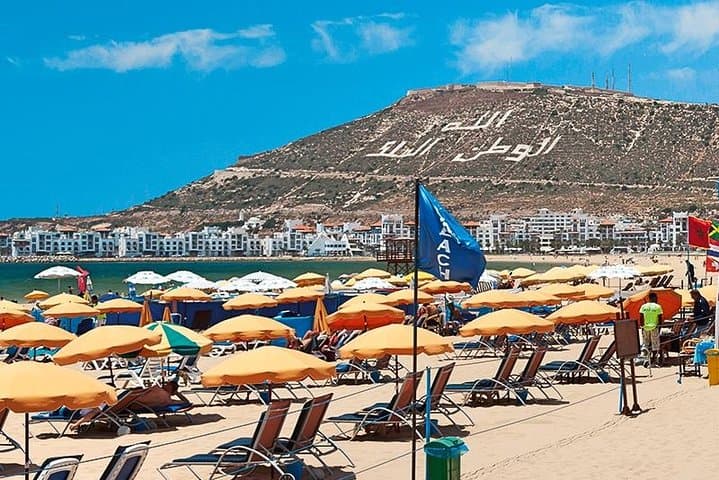
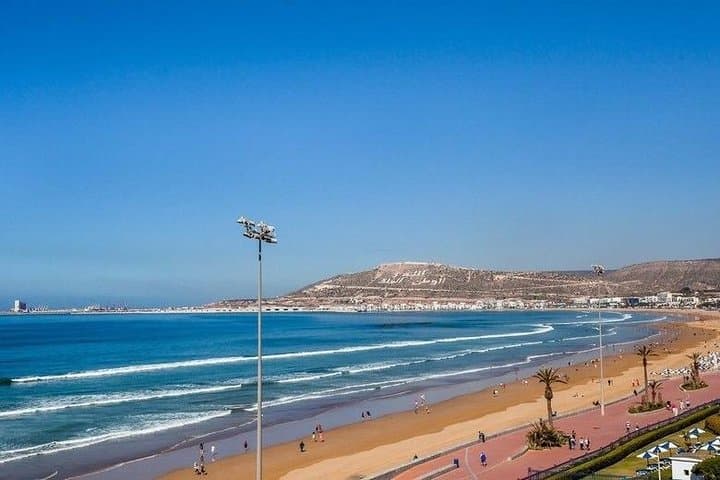
The morning light in Agadir skims the Atlantic, throwing silver across the Marina as you step out of a quiet, air-conditioned vehicle and onto the palm-lined promenade.
You can feel the coastline pushing you forward; waves and gulls mark the city’s pulse while the harbor hums with routine commerce.
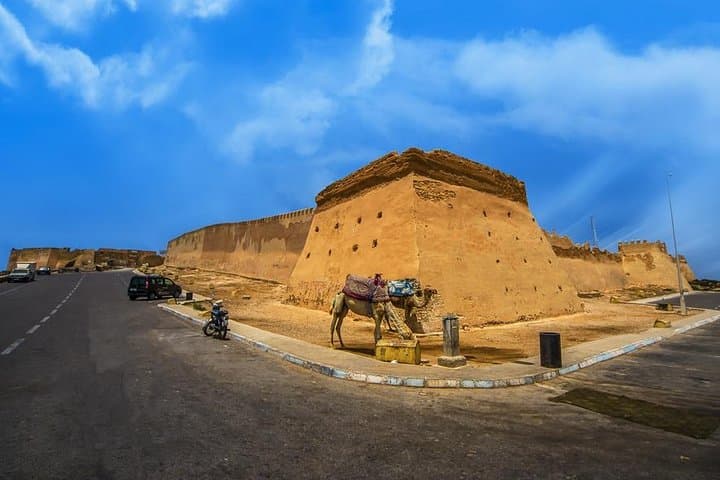
From the sea-walk the route climbs mentally as much as geographically — toward Agadir Oufella, the ruined kasbah that watches the city from its crumbling ridge and frames a broad coastal sweep.
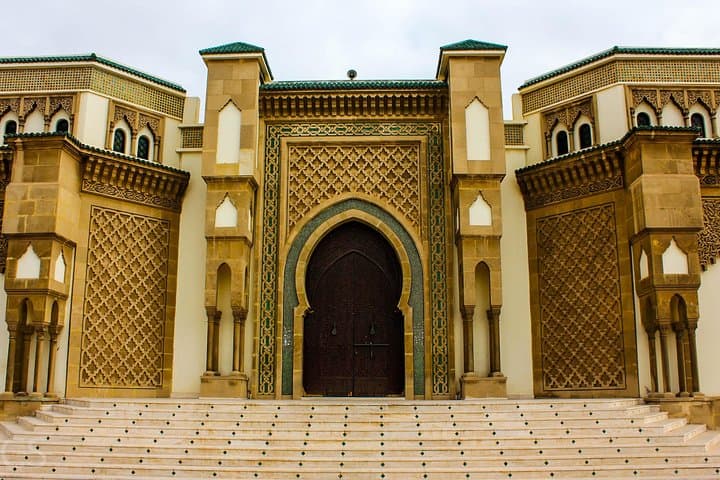
Agadir’s modern face was born after the devastating 1960 earthquake, when much of the old city was rebuilt in geometric neighborhoods like City Suisse and Talborjt, where mosque architecture and Berber jewelry collections now speak to cultural continuity.
Souk El Had remains the sensory heart: aisles of spices, leather, and crafted silver where bargaining is part ritual, part performance.
Geologically the region sits on the Atlantic margin with sandy beaches backed by low, eroding cliffs and the rising foothills of the Anti-Atlas visible to the east; local artisans draw on Amazigh traditions that predate the city’s modern reconfiguration.
Practically, this private 3–4 hour tour is compact and walkable: expect several short walks, photo stops at the memorial wall, a museum visit, and flexible time in the souk.
Bring sun protection and a reusable bottle, and plan for small cash purchases at the market.
The tour’s rhythm is steady — a coastal stroll, a hilltop lookout, a cultural stop, and market time — giving a clear, efficient orientation to Agadir and what locals still prize about this Atlantic-facing Moroccan city.
Verified experiences and guided adventures in the surrounding area.
Operated by Agharass Tours · Agadir, Souss-Massa
The morning light in Agadir skims the Atlantic, throwing silver across the Marina as you step out of a quiet, air-conditioned vehicle and onto the palm-lined promenade.
You can feel the coastline pushing you forward; waves and gulls mark the city’s pulse while the harbor hums with routine commerce.
From the sea-walk the route climbs mentally as much as geographically — toward Agadir Oufella, the ruined kasbah that watches the city from its crumbling ridge and frames a broad coastal sweep.
Agadir’s modern face was born after the devastating 1960 earthquake, when much of the old city was rebuilt in geometric neighborhoods like City Suisse and Talborjt, where mosque architecture and Berber jewelry collections now speak to cultural continuity.
Souk El Had remains the sensory heart: aisles of spices, leather, and crafted silver where bargaining is part ritual, part performance.
Geologically the region sits on the Atlantic margin with sandy beaches backed by low, eroding cliffs and the rising foothills of the Anti-Atlas visible to the east; local artisans draw on Amazigh traditions that predate the city’s modern reconfiguration.
Practically, this private 3–4 hour tour is compact and walkable: expect several short walks, photo stops at the memorial wall, a museum visit, and flexible time in the souk.
Bring sun protection and a reusable bottle, and plan for small cash purchases at the market.
The tour’s rhythm is steady — a coastal stroll, a hilltop lookout, a cultural stop, and market time — giving a clear, efficient orientation to Agadir and what locals still prize about this Atlantic-facing Moroccan city.
easy.
3–4 hours.
Suitable for most fitness levels; involves short, easy walks and some stairs at viewpoints.
Yes, private pickup and drop-off from most Agadir hotels are included as described in the tour inclusions.
Drivers commonly speak English, French and German; guides may vary so confirm language needs at booking.
The tour is family-friendly and stroller-accessible in many areas, though some cobbled or market alleys may be narrow.
The itinerary typically allows flexible free time in Souk El Had—plan for 30–60 minutes depending on your shopping interest.
Agadir was largely rebuilt after the catastrophic 1960 earthquake; modern neighborhoods like City Suisse and memorials mark that pivotal moment and the city’s resilient rebuilding.
Support local artisans and reduce plastic waste in the souk; small purchases from certified craft stalls help keep traditional skills viable.
Agharass Tours operates guided outdoor trips and adventures with an emphasis on safety, stewardship, and memorable experiences.
The morning light in Agadir skims the Atlantic, throwing silver across the Marina as you step out of a quiet, air-conditioned vehicle and onto the palm-lined promenade.
You can feel the coastline pushing you forward; waves and gulls mark the city’s pulse while the harbor hums with routine commerce.
From the sea-walk the route climbs mentally as much as geographically — toward Agadir Oufella, the ruined kasbah that watches the city from its crumbling ridge and frames a broad coastal sweep.
Agadir’s modern face was born after the devastating 1960 earthquake, when much of the old city was rebuilt in geometric neighborhoods like City Suisse and Talborjt, where mosque architecture and Berber jewelry collections now speak to cultural continuity.
Souk El Had remains the sensory heart: aisles of spices, leather, and crafted silver where bargaining is part ritual, part performance.
Geologically the region sits on the Atlantic margin with sandy beaches backed by low, eroding cliffs and the rising foothills of the Anti-Atlas visible to the east; local artisans draw on Amazigh traditions that predate the city’s modern reconfiguration.
Practically, this private 3–4 hour tour is compact and walkable: expect several short walks, photo stops at the memorial wall, a museum visit, and flexible time in the souk.
Bring sun protection and a reusable bottle, and plan for small cash purchases at the market.
The tour’s rhythm is steady — a coastal stroll, a hilltop lookout, a cultural stop, and market time — giving a clear, efficient orientation to Agadir and what locals still prize about this Atlantic-facing Moroccan city.
The morning light in Agadir skims the Atlantic, throwing silver across the Marina as you step out of a quiet, air-conditioned vehicle and onto the palm-lined promenade.
You can feel the coastline pushing you forward; waves and gulls mark the city’s pulse while the harbor hums with routine commerce.
From the sea-walk the route climbs mentally as much as geographically — toward Agadir Oufella, the ruined kasbah that watches the city from its crumbling ridge and frames a broad coastal sweep.
Agadir’s modern face was born after the devastating 1960 earthquake, when much of the old city was rebuilt in geometric neighborhoods like City Suisse and Talborjt, where mosque architecture and Berber jewelry collections now speak to cultural continuity.
Souk El Had remains the sensory heart: aisles of spices, leather, and crafted silver where bargaining is part ritual, part performance.
Geologically the region sits on the Atlantic margin with sandy beaches backed by low, eroding cliffs and the rising foothills of the Anti-Atlas visible to the east; local artisans draw on Amazigh traditions that predate the city’s modern reconfiguration.
Practically, this private 3–4 hour tour is compact and walkable: expect several short walks, photo stops at the memorial wall, a museum visit, and flexible time in the souk.
Bring sun protection and a reusable bottle, and plan for small cash purchases at the market.
The tour’s rhythm is steady — a coastal stroll, a hilltop lookout, a cultural stop, and market time — giving a clear, efficient orientation to Agadir and what locals still prize about this Atlantic-facing Moroccan city.