THE ADVENTURE COLLECTIVE® · Independent discovery and booking for outdoor travel

Board a private charter from Dingle Pier for two hours of Atlantic angling—ideal for families and first-time anglers. Expect pollack, mackerel, ling and cod, expert local skippers, and immediate sea-skill lessons on a compact, family-friendly outing.
Board a private charter from Dingle Pier for two hours of Atlantic angling—ideal for families and first-time anglers. Expect pollack, mackerel, ling and cod, expert local skippers, and immediate sea-skill lessons on a compact, family-friendly outing.
The boat slips away from the pier and the town’s last chimneys shrink into the fog. Salt spray sharpens the air and the Atlantic begins to stretch, a restless body that seems to dare you to commit. In Dingle Bay the water has memory—of old tides, of nets hauled by generations, of skippers who read wind and swell like pages. For two focused hours you trade land’s certainty for the pulse of the sea: cast, wait, feel the line tighten. Pollack and mackerel strike quick, ling and cod give a harder, deeper tug. The work is immediate and honest; you can clean your catch that evening or let the sea keep its lessons.
Verified experiences and guided adventures in the surrounding area.
Operated by Dingle Boat Tours · Dingle, County Kerry
The boat slips away from the pier and the town’s last chimneys shrink into the fog. Salt spray sharpens the air and the Atlantic begins to stretch, a restless body that seems to dare you to commit. In Dingle Bay the water has memory—of old tides, of nets hauled by generations, of skippers who read wind and swell like pages. For two focused hours you trade land’s certainty for the pulse of the sea: cast, wait, feel the line tighten. Pollack and mackerel strike quick, ling and cod give a harder, deeper tug. The work is immediate and honest; you can clean your catch that evening or let the sea keep its lessons.
The Dingle Peninsula wears its story on its cliffs. The bay is framed by ancient folded rock sculpted by Ice Age glaciers and Atlantic storms, with the Blasket Islands to the west—some of the most westerly islands in Europe and a place with its own rugged literary history. Fishing here is both livelihood and pastime. Gaelic place names still mark the headlands and coves, and the skippers who run these charters often grew up with nets and lines in hand, carrying local knowledge about where fish gather and when the sea calms.
On a geological scale the shoreline is a study in contrasts: steep headlands, sandy bays, and submerged reefs where cod and ling patrol. Culturally, Dingle feels small but worldly—artists, fishermen, and travelers converge around pubs and piers. Respect for the ocean is embedded in local conservation efforts; recreational anglers and operators increasingly follow size limits and practice selective harvesting to protect stocks.
Practical guide: meet beside the car park at Dingle Pier where the crew will load your private boat. The trip is two hours—short enough for families and first-timers, long enough to learn basic techniques and get a solid catch. Tackle and basic safety gear are provided; there’s an on-board restroom. Dress in layers: the wind off the Atlantic can be cool even in summer, and spray is inevitable. Sea-sickness tablets an hour before departure help many first-timers. Bring water, sun protection, a waterproof jacket, and a small dry bag for phones and cameras.
Timing matters: summer brings calmer seas and steady mackerel runs; spring and autumn produce larger cod and pollack as fish move with changing temperatures. The skipper’s experience is the best shortcut—follow their cues, ask questions, and you’ll learn spots that aren’t on any map.
In short: this private two-hour charter is a compact crash course in Atlantic angling—rooted in local knowledge, open to novices, and always governed by the weather. Come ready to work, watch closely, and let the bay do the rest.
moderate.
2 hours.
Moderate—able to stand for stretches, handle light lifting and basic repetitive motions
No—this private 2-hour charter is suitable for novices; skippers provide tackle and basic instruction.
Common catches include pollack, mackerel, ling and cod, with variation by season and sea conditions.
Yes—families are welcome; operators note the trip requires moderate fitness and adult supervision for young children.
Policies vary by operator; ask at booking—most skippers will advise on cleaning or offer basic assistance.
Trips can be canceled for safety. Full refunds are typically available if canceled at least 24 hours in advance or for unsafe conditions.
Service animals are permitted; check with the operator ahead of time for non-service pets.
Fishing and small-scale seafaring have sustained Dingle for centuries; the Blasket Islands also produced a distinct Gaelic literary tradition in the 20th century.
Local operators increasingly follow size limits and selective harvesting; support sustainable practices by asking about catch rules and releasing undersized fish.
Dingle Boat Tours operates guided outdoor trips and adventures with an emphasis on safety, stewardship, and memorable experiences.
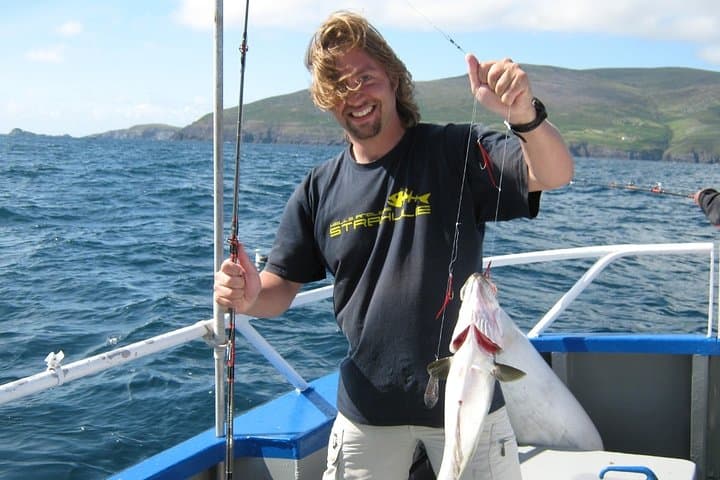
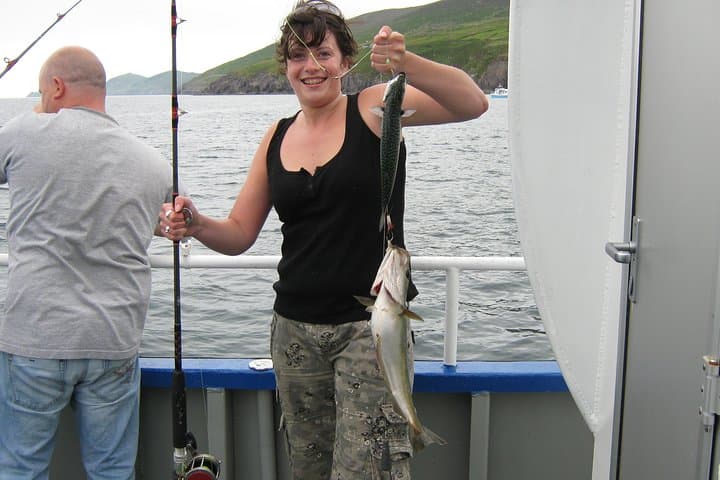
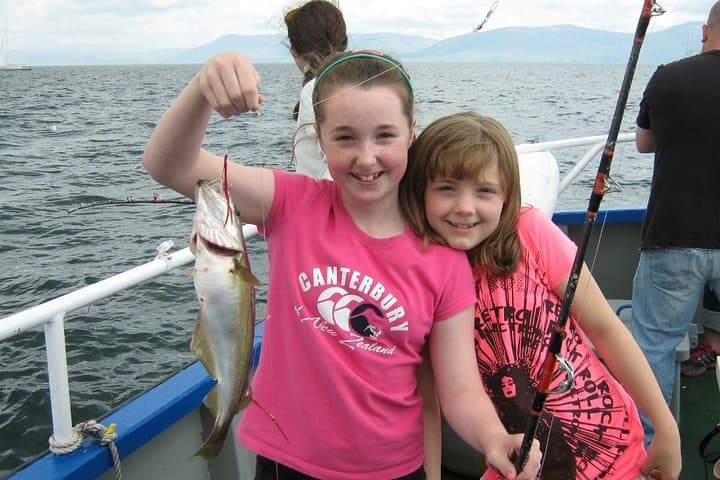
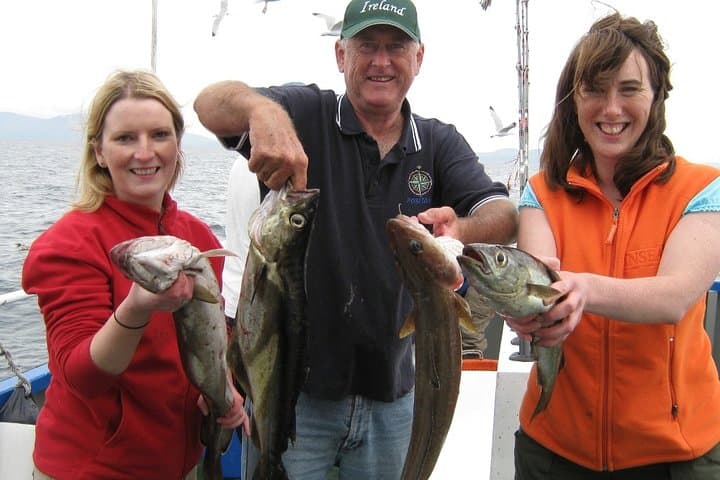
The boat slips away from the pier and the town’s last chimneys shrink into the fog. Salt spray sharpens the air and the Atlantic begins to stretch, a restless body that seems to dare you to commit. In Dingle Bay the water has memory—of old tides, of nets hauled by generations, of skippers who read wind and swell like pages. For two focused hours you trade land’s certainty for the pulse of the sea: cast, wait, feel the line tighten. Pollack and mackerel strike quick, ling and cod give a harder, deeper tug. The work is immediate and honest; you can clean your catch that evening or let the sea keep its lessons.
The boat slips away from the pier and the town’s last chimneys shrink into the fog. Salt spray sharpens the air and the Atlantic begins to stretch, a restless body that seems to dare you to commit. In Dingle Bay the water has memory—of old tides, of nets hauled by generations, of skippers who read wind and swell like pages. For two focused hours you trade land’s certainty for the pulse of the sea: cast, wait, feel the line tighten. Pollack and mackerel strike quick, ling and cod give a harder, deeper tug. The work is immediate and honest; you can clean your catch that evening or let the sea keep its lessons.
The Dingle Peninsula wears its story on its cliffs. The bay is framed by ancient folded rock sculpted by Ice Age glaciers and Atlantic storms, with the Blasket Islands to the west—some of the most westerly islands in Europe and a place with its own rugged literary history. Fishing here is both livelihood and pastime. Gaelic place names still mark the headlands and coves, and the skippers who run these charters often grew up with nets and lines in hand, carrying local knowledge about where fish gather and when the sea calms.
On a geological scale the shoreline is a study in contrasts: steep headlands, sandy bays, and submerged reefs where cod and ling patrol. Culturally, Dingle feels small but worldly—artists, fishermen, and travelers converge around pubs and piers. Respect for the ocean is embedded in local conservation efforts; recreational anglers and operators increasingly follow size limits and practice selective harvesting to protect stocks.
Practical guide: meet beside the car park at Dingle Pier where the crew will load your private boat. The trip is two hours—short enough for families and first-timers, long enough to learn basic techniques and get a solid catch. Tackle and basic safety gear are provided; there’s an on-board restroom. Dress in layers: the wind off the Atlantic can be cool even in summer, and spray is inevitable. Sea-sickness tablets an hour before departure help many first-timers. Bring water, sun protection, a waterproof jacket, and a small dry bag for phones and cameras.
Timing matters: summer brings calmer seas and steady mackerel runs; spring and autumn produce larger cod and pollack as fish move with changing temperatures. The skipper’s experience is the best shortcut—follow their cues, ask questions, and you’ll learn spots that aren’t on any map.
In short: this private two-hour charter is a compact crash course in Atlantic angling—rooted in local knowledge, open to novices, and always governed by the weather. Come ready to work, watch closely, and let the bay do the rest.