THE ADVENTURE COLLECTIVE® · Independent discovery and booking for outdoor travel

A private two-day expedition along Iceland’s south coast that pairs thundering waterfalls and black sand beaches with a glacier hike and ice cave exploration at Jökulsárlón—plus the chance to see the Northern Lights. Travel in Super Jeeps, sleep locally, and experience Vatnajökull up close.
A private two-day expedition along Iceland’s south coast that pairs thundering waterfalls and black sand beaches with a glacier hike and ice cave exploration at Jökulsárlón—plus the chance to see the Northern Lights. Travel in Super Jeeps, sleep locally, and experience Vatnajökull up close.
You step out of the transport and the air feels like it’s been carved—cold, clear, and honest. Waves of black sand push and retreat at Reynisfjara, while Seljalandsfoss throws a constant curtain of spray that dares you to walk behind it. Over the next two days this private Hidden Iceland itinerary moves like a careful slow tide: big sights, manageable pace, and a climax at Jökulsárlón where fractured icebergs drift like slow, pale ships.
Verified experiences and guided adventures in the surrounding area.
Operated by Hidden Iceland · Jökulsárlón, South Iceland
You step out of the transport and the air feels like it’s been carved—cold, clear, and honest. Waves of black sand push and retreat at Reynisfjara, while Seljalandsfoss throws a constant curtain of spray that dares you to walk behind it. Over the next two days this private Hidden Iceland itinerary moves like a careful slow tide: big sights, manageable pace, and a climax at Jökulsárlón where fractured icebergs drift like slow, pale ships.
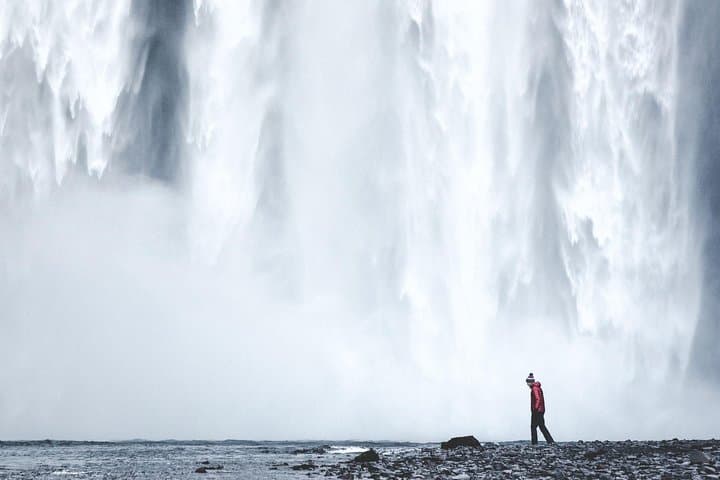
The route is classic south coast Iceland. Seljalandsfoss and Skógafoss are the theatrical openings—water driven by melt from Eyjafjallajökull and nearby icefields. Reynisfjara’s basalt columns and winter-slammed waves reveal the region’s volcanic past; Fjaðrárgljúfur canyon reads like a wound in the lava plains carved by glacial melt over millennia. By day two you reach the foothills of Vatnajökull, Europe’s largest ice cap, whose outlet glaciers calve the ice that becomes the lagoon and the glass-blue caves.
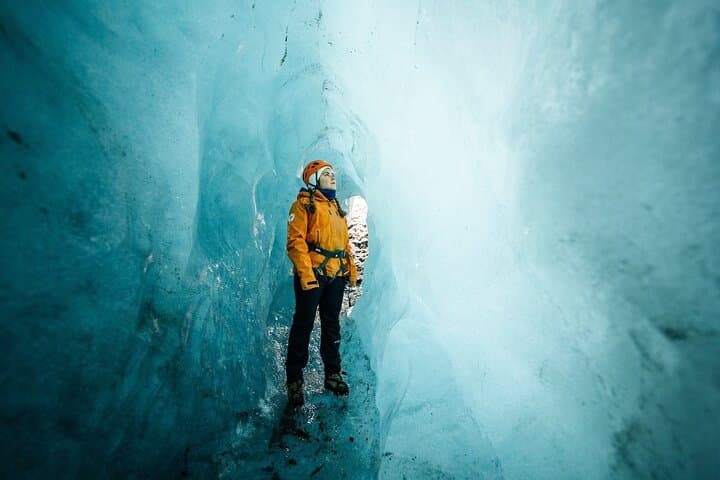
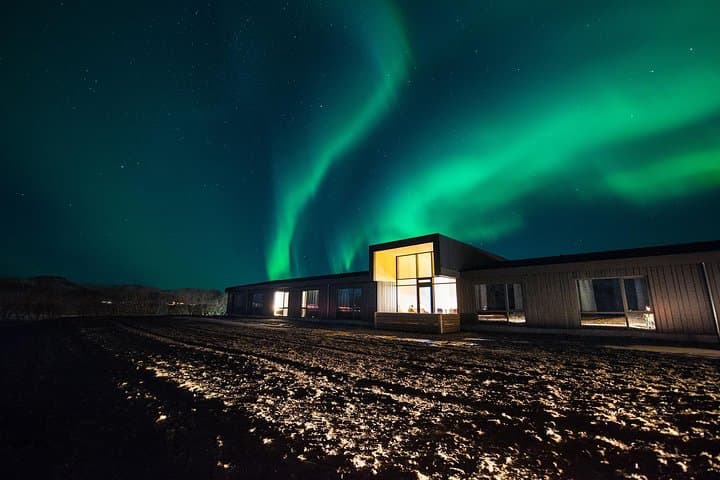
Ice caves are transient architecture: born of melt and river flow, their arches and tunnels shift each winter. Local guides read the glacier like a map—safe access is seasonal and requires experience. Super Jeeps punch up to the glacier front, then you hike in crampons across rippled blue ice to enter chambers that make light behave like colored glass. At night, if the aurora decides to perform, the sky will pull a slow, green ribbon over the dark plain—a reminder that weather and light are part of the act here.
Practicalities matter. Days are long—Hidden Iceland times pickups from Reykjavik and compress a lot of sightseeing into two full days with an overnight in a rural guesthouse. Expect basic accommodations with private bathrooms and a hearty Icelandic breakfast. Lunches are typically on the road; the operator stops at small cafés or the Black Sand Beach Restaurant near Reynisfjara.
Gear and preparation: waterproof layers, sturdy waterproof hiking boots (no denim), and warm base layers are non-negotiable. The operator supplies glacier equipment and crampon instruction, but the terrain is uneven and wet—moderate fitness and good balance help. Keep luggage light; the vehicles have room but the trip is optimized for mobility.
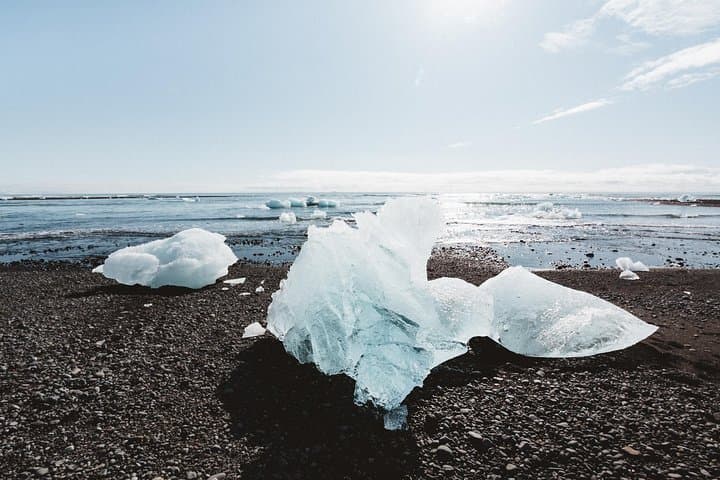
Plan for flexibility: ice caves can change, and weather can delay or reroute parts of the itinerary. That’s not a failure—it’s how you visit a living glacier. If you want photographs, golden hour light on Diamond Beach and the cerulean interiors of the caves are worth early alarms. In short: go prepared, keep your expectations fluid, and let the south coast’s raw geology do the grand gestures.
challenging.
2 days.
Suitable for travelers with moderate to good fitness—comfortable walking on uneven, icy terrain and short glacier hikes.
Northern Lights are seasonal and depend on solar activity and clear skies—visibility is possible in darker months but not guaranteed; guides will adjust stops if conditions improve.
Minimum age for the ice cave is generally 8 years; the guide assesses suitability based on weather and the child’s ability to handle cold and uneven terrain.
No—guides provide crampon instruction and lead the route; however, a reasonable level of fitness and good balance are important.
Sturdy waterproof hiking boots are required; if you don’t have them you can rent from the operator with advance notice.
Breakfast and glacier equipment are included; lunches and dinner en route are typically not included but stops are planned at cafés and a recommended restaurant.
Expect long driving stretches along the Ring Road—this is a two-day itinerary with several hours on the road each day to reach the glacier lagoon and return to Reykjavík.
The south coast’s landscapes owe their shape to volcanic eruptions and glacial carving; stories of settlements and sagas persist in small coastal villages you pass along the way.
Vatnajökull and its glaciers are monitored closely; follow guide instructions to minimize impact—stay on designated routes and avoid removing ice or disturbing river outlets.
Hidden Iceland operates guided outdoor trips and adventures with an emphasis on safety, stewardship, and memorable experiences.
You step out of the transport and the air feels like it’s been carved—cold, clear, and honest. Waves of black sand push and retreat at Reynisfjara, while Seljalandsfoss throws a constant curtain of spray that dares you to walk behind it. Over the next two days this private Hidden Iceland itinerary moves like a careful slow tide: big sights, manageable pace, and a climax at Jökulsárlón where fractured icebergs drift like slow, pale ships.
You step out of the transport and the air feels like it’s been carved—cold, clear, and honest. Waves of black sand push and retreat at Reynisfjara, while Seljalandsfoss throws a constant curtain of spray that dares you to walk behind it. Over the next two days this private Hidden Iceland itinerary moves like a careful slow tide: big sights, manageable pace, and a climax at Jökulsárlón where fractured icebergs drift like slow, pale ships.
The route is classic south coast Iceland. Seljalandsfoss and Skógafoss are the theatrical openings—water driven by melt from Eyjafjallajökull and nearby icefields. Reynisfjara’s basalt columns and winter-slammed waves reveal the region’s volcanic past; Fjaðrárgljúfur canyon reads like a wound in the lava plains carved by glacial melt over millennia. By day two you reach the foothills of Vatnajökull, Europe’s largest ice cap, whose outlet glaciers calve the ice that becomes the lagoon and the glass-blue caves.
Ice caves are transient architecture: born of melt and river flow, their arches and tunnels shift each winter. Local guides read the glacier like a map—safe access is seasonal and requires experience. Super Jeeps punch up to the glacier front, then you hike in crampons across rippled blue ice to enter chambers that make light behave like colored glass. At night, if the aurora decides to perform, the sky will pull a slow, green ribbon over the dark plain—a reminder that weather and light are part of the act here.
Practicalities matter. Days are long—Hidden Iceland times pickups from Reykjavik and compress a lot of sightseeing into two full days with an overnight in a rural guesthouse. Expect basic accommodations with private bathrooms and a hearty Icelandic breakfast. Lunches are typically on the road; the operator stops at small cafés or the Black Sand Beach Restaurant near Reynisfjara.
Gear and preparation: waterproof layers, sturdy waterproof hiking boots (no denim), and warm base layers are non-negotiable. The operator supplies glacier equipment and crampon instruction, but the terrain is uneven and wet—moderate fitness and good balance help. Keep luggage light; the vehicles have room but the trip is optimized for mobility.
Plan for flexibility: ice caves can change, and weather can delay or reroute parts of the itinerary. That’s not a failure—it’s how you visit a living glacier. If you want photographs, golden hour light on Diamond Beach and the cerulean interiors of the caves are worth early alarms. In short: go prepared, keep your expectations fluid, and let the south coast’s raw geology do the grand gestures.