THE ADVENTURE COLLECTIVE® · Independent discovery and booking for outdoor travel

Experience Pochutla’s Monday market—an hour and a quarter from Huatulco—where produce, textiles, live animals and homemade remedies fill block after block. This guided day trip blends local culture, food and practical shopping tips for travelers ready to engage with real Mexican market life.
Experience Pochutla’s Monday market—an hour and a quarter from Huatulco—where produce, textiles, live animals and homemade remedies fill block after block. This guided day trip blends local culture, food and practical shopping tips for travelers ready to engage with real Mexican market life.
You step off the van into a corridor of color and sound: wooden carts creak, vendors call prices in quick Spanish, and the smell of grilled corn and citrus rides the humid air. This is Pochutla’s Monday market—blocks of stalls laid out like a living map of the Oaxacan coast—where textiles, produce, live animals and homemade remedies meet travelers who’ve come to trade stories as much as goods.
Verified experiences and guided adventures in the surrounding area.
Operated by Homietours · San Pedro Pochutla, Oaxaca
You step off the van into a corridor of color and sound: wooden carts creak, vendors call prices in quick Spanish, and the smell of grilled corn and citrus rides the humid air. This is Pochutla’s Monday market—blocks of stalls laid out like a living map of the Oaxacan coast—where textiles, produce, live animals and homemade remedies meet travelers who’ve come to trade stories as much as goods.
Pochutla sits where the Sierra Madre del Sur drops into the Pacific, and its market reflects that geography. The valleys funnel tropical fruit and herbs down to the coast; fishermen bring in catches that arrive on the same day they’re sold. Indigenous Zapotec and Mixtec influences are visible in embroidered blouses, woven belts and jars of local sauces. Markets like this are part social center, part supply chain—an institution with roots before colonial roads reshaped trade routes.
Walk the main alleys and you’ll find staggered areas: the produce rows where pineapples and papayas sit beside chiles; the textile lanes where color competes for attention; the animal section where clucking chickens and caged guinea pigs remind you this market feeds households, not just tourists. Local remedies—herbs, liniments, and hand-labeled tinctures—sit beside stalls of toys and secondhand shoes. Vendors welcome bartering; a polite smile and a few Spanish phrases go far. The market’s rhythm is human and immediate: sellers coax, buyers scrutinize, and the air carries the practical smells of a place that exists to supply a community’s week.
For travelers based in Bahías de Huatulco, the trip is an easy day escape. Tours typically include round-trip transport (expect about 1 hour 15 minutes each way), a local guide, and a short break for snacks or a soft drink; some operators include a beer or soda. Bring cash—small bills are essential—comfortable shoes, and an appetite for walking. Aim for morning to avoid the hottest hours and to catch the freshest fish and produce. Wear sun protection and keep a small bag close: pickpockets are rare but crowded aisles make loose items vulnerable.
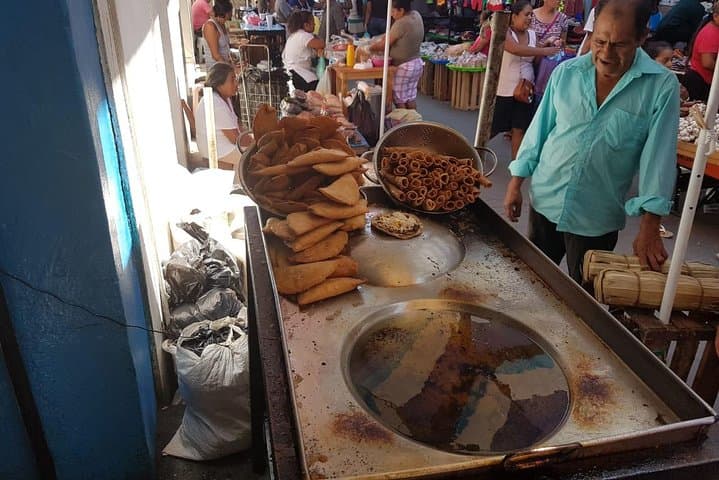
Practical tips: learn a few Spanish phrases to negotiate; buy from multiple vendors to spread your support; sample street food cautiously—stick to cooked items; and respect photos—ask before photographing people or prayer items. The market is not a stage but a functioning place of commerce; approach it as a participant and you’ll come away with food, crafts, and a truer sense of coastal Oaxaca’s daily life.
easy.
5–6 hours.
Basic mobility for walking and standing for several hours; low-impact but expect uneven surfaces.
Yes—this tour visits the large weekly market, which operates on Mondays; other days have smaller local markets.
Expect roughly 1 hour 15 minutes each way by road; travel times vary with traffic and pick-up points.
Typically not; the tour may include a soft drink or beer but food purchases are pay-as-you-go at vendors and stalls.
Accessibility is limited: aisles can be narrow and surfaces uneven, so the market is not well suited for wheelchairs or limited mobility.
Yes—polite negotiation is common. Start lower than the asking price, be respectful, and expect some back-and-forth.
Public restrooms are available near the market but may be basic; bring small change for entry and hand sanitizer.
Pochutla’s market is part of a long tradition of regional exchange where coastal and highland communities have traded crops, crafts and knowledge since pre-Hispanic times.
Choose vendors who use reusable packaging, avoid single-use plastics where possible, and support local artisans to keep earnings in the community.
Homietours operates guided outdoor trips and adventures with an emphasis on safety, stewardship, and memorable experiences.
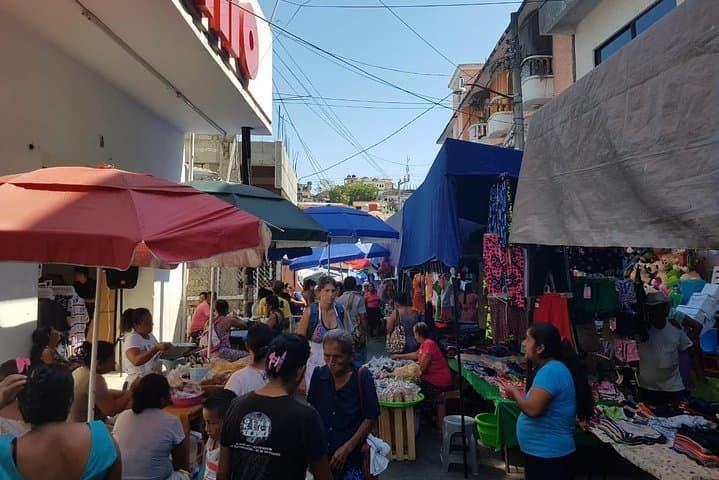
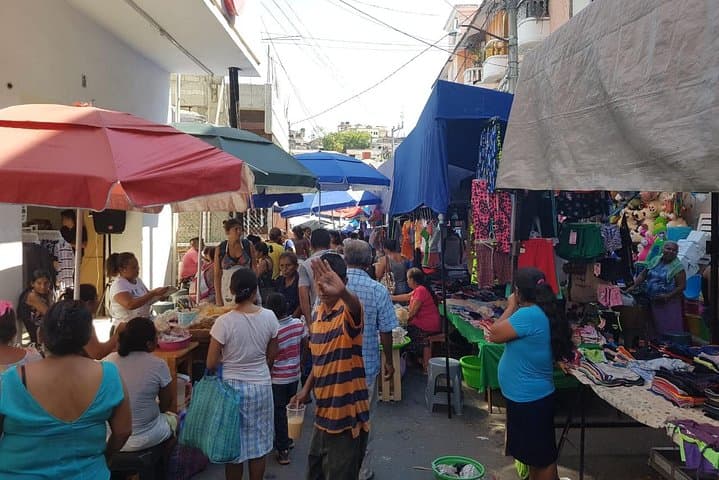
You step off the van into a corridor of color and sound: wooden carts creak, vendors call prices in quick Spanish, and the smell of grilled corn and citrus rides the humid air. This is Pochutla’s Monday market—blocks of stalls laid out like a living map of the Oaxacan coast—where textiles, produce, live animals and homemade remedies meet travelers who’ve come to trade stories as much as goods.
You step off the van into a corridor of color and sound: wooden carts creak, vendors call prices in quick Spanish, and the smell of grilled corn and citrus rides the humid air. This is Pochutla’s Monday market—blocks of stalls laid out like a living map of the Oaxacan coast—where textiles, produce, live animals and homemade remedies meet travelers who’ve come to trade stories as much as goods.
Pochutla sits where the Sierra Madre del Sur drops into the Pacific, and its market reflects that geography. The valleys funnel tropical fruit and herbs down to the coast; fishermen bring in catches that arrive on the same day they’re sold. Indigenous Zapotec and Mixtec influences are visible in embroidered blouses, woven belts and jars of local sauces. Markets like this are part social center, part supply chain—an institution with roots before colonial roads reshaped trade routes.
Walk the main alleys and you’ll find staggered areas: the produce rows where pineapples and papayas sit beside chiles; the textile lanes where color competes for attention; the animal section where clucking chickens and caged guinea pigs remind you this market feeds households, not just tourists. Local remedies—herbs, liniments, and hand-labeled tinctures—sit beside stalls of toys and secondhand shoes. Vendors welcome bartering; a polite smile and a few Spanish phrases go far. The market’s rhythm is human and immediate: sellers coax, buyers scrutinize, and the air carries the practical smells of a place that exists to supply a community’s week.
For travelers based in Bahías de Huatulco, the trip is an easy day escape. Tours typically include round-trip transport (expect about 1 hour 15 minutes each way), a local guide, and a short break for snacks or a soft drink; some operators include a beer or soda. Bring cash—small bills are essential—comfortable shoes, and an appetite for walking. Aim for morning to avoid the hottest hours and to catch the freshest fish and produce. Wear sun protection and keep a small bag close: pickpockets are rare but crowded aisles make loose items vulnerable.
Practical tips: learn a few Spanish phrases to negotiate; buy from multiple vendors to spread your support; sample street food cautiously—stick to cooked items; and respect photos—ask before photographing people or prayer items. The market is not a stage but a functioning place of commerce; approach it as a participant and you’ll come away with food, crafts, and a truer sense of coastal Oaxaca’s daily life.