THE ADVENTURE COLLECTIVE® · Independent discovery and booking for outdoor travel

A private day trip from Split delivers the full arc of Plitvice Lakes in comfort: cascading travertine waterfalls, mirror-like turquoise basins, and boardwalks that bring you face-to-face with one of Croatia’s greatest natural spectacles. This feature explains what to expect and how to prepare.
A private day trip from Split delivers the full arc of Plitvice Lakes in comfort: cascading travertine waterfalls, mirror-like turquoise basins, and boardwalks that bring you face-to-face with one of Croatia’s greatest natural spectacles. This feature explains what to expect and how to prepare.
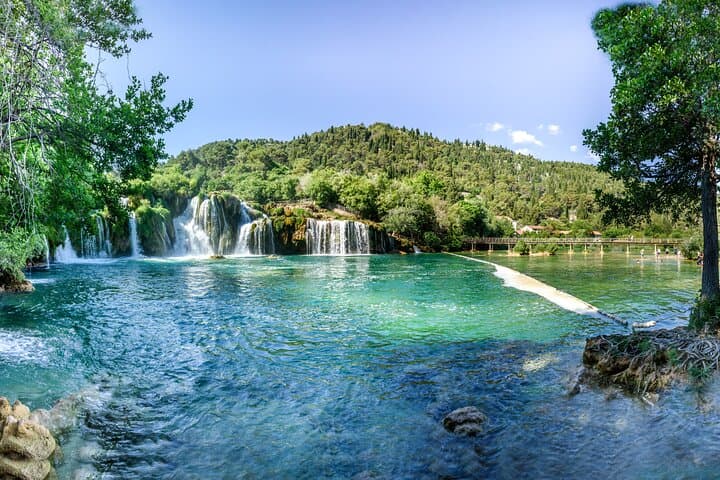
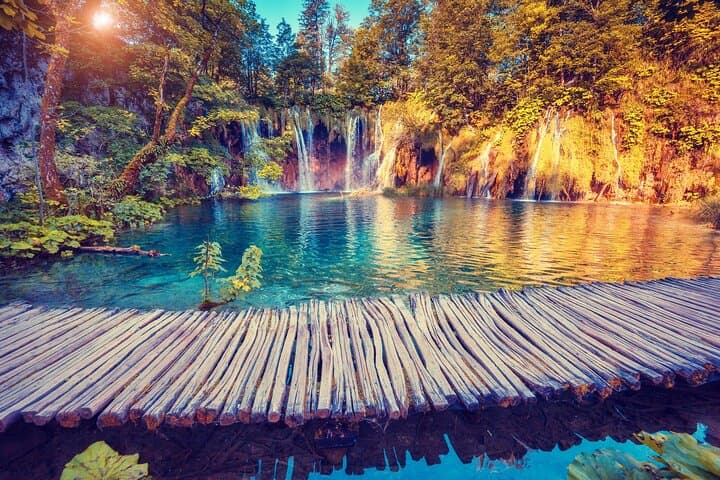
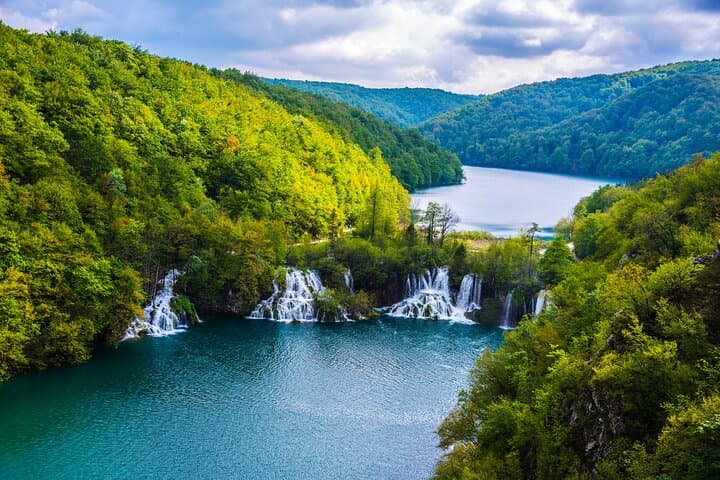
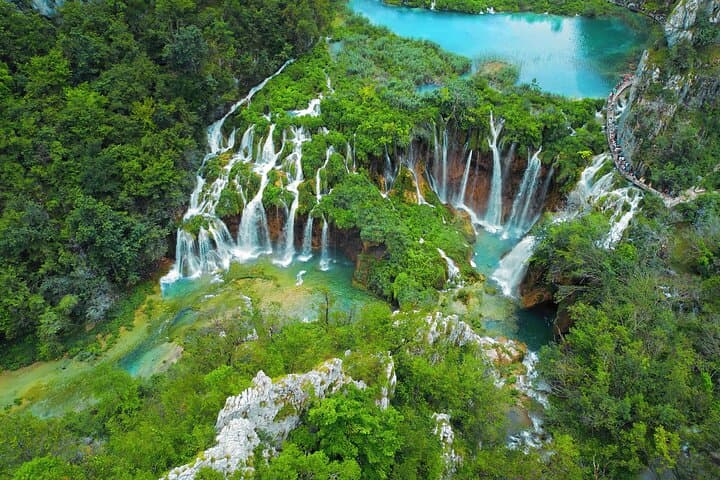
You step off the Mercedes and the forest welcomes you like a living thing — moss-slick trunks leaning over boardwalks that wind like a slow sentence through water. The lakes do the rest of the talking: tiers of blue and green separated by travertine barriers, water spilling and gathering, daring you to follow its current. On a private day tour from Split, the experience is compact and calm; the road gives way to wood planks and the park’s famous sinuous paths.
Verified experiences and guided adventures in the surrounding area.
Operated by Driven experience · Plitvička Jezera, Lika-Senj County
You step off the Mercedes and the forest welcomes you like a living thing — moss-slick trunks leaning over boardwalks that wind like a slow sentence through water. The lakes do the rest of the talking: tiers of blue and green separated by travertine barriers, water spilling and gathering, daring you to follow its current. On a private day tour from Split, the experience is compact and calm; the road gives way to wood planks and the park’s famous sinuous paths.
Plitvice Lakes National Park is Croatia’s most visited natural reserve and a UNESCO World Heritage Site since 1979. Its story is geological as much as human: over millennia, calcium carbonate has been deposited by the water and built the terraced travertine dams that create the park’s waterfalls and lakes. The area once lay on routes between the Adriatic coast and inland trading posts, and the surrounding Lika region carries a quiet rural culture — shepherding, freshwater fishing, and simple mountain food that tastes of salt and time.
Walking here is both sensory and precise. The boardwalks guide you across still mirror pools reflecting beech and fir, past the thunder of Veliki Slap (the Big Waterfall), and along the quieter upper lakes where light slices through the canopy. Birds call from the margins, and on rare mornings a Eurasian otter slips through the shallows. The park manages foot traffic tightly; staying on marked trails keeps the fragile travertine reefs intact and preserves water clarity.
Practical edge: this is a long day. The tour from Split is a private transfer plus roughly four hours inside the park; plan for an early pickup and a full 10-hour day. Bring sturdy shoes with good grip — the boardwalks can be wet — and layers: temperatures vary between sunlit shores and shaded gullies. Tickets to the national park are typically not included in private transfers; buy them in advance during high season or arrive early to avoid queues. There are cafés at main entrances, but pack a refillable bottle to use at provided taps.
Timing changes the mood: sunrise brings soft pastels and quiet; midday reveals saturated turquoise; overcast skies make waterfalls dramatic and reduce glare for photos. If you want privacy and better light, request an early pickup from Split. The private vehicle and English-speaking driver remove navigation stress, and the driver’s waiting time lets you set your own pace — a perfect option for families or couples who want a curated, unhurried day in one of Europe’s most photogenic parks.
easy.
10 hours (full-day including transfers).
Light to moderate fitness—able to walk 2–4 miles on mostly flat upgraded boardwalks with occasional steps
No—entrance fees for Plitvice Lakes are usually paid separately; book online in advance during summer or buy tickets at the park entrance.
Expect about 2.5–3 hours each way depending on traffic; the full tour runs roughly 10 hours including transfers and park time.
Yes—many paths are stroller accessible and infant seats are available in the vehicle, but some boardwalk sections have steps.
Meals are not included; there are cafés near major entrances, but packing snacks and a lunch gives you flexibility.
No—swimming is prohibited to protect the travertine formations and water quality.
Large mammals such as brown bears exist in the region but are rarely seen in the main tourist areas; expect birds, fish, and occasional small mammals.
Plitvice’s travertine terraces formed over millennia and the area became a national park in 1949; UNESCO listed it in 1979 for its geomorphological significance.
Stick to marked paths and avoid touching travertine to protect calcium deposits; the park uses boardwalks and visitor limits to reduce erosion and preserve water clarity.
Driven experience operates guided outdoor trips and adventures with an emphasis on safety, stewardship, and memorable experiences.
You step off the Mercedes and the forest welcomes you like a living thing — moss-slick trunks leaning over boardwalks that wind like a slow sentence through water. The lakes do the rest of the talking: tiers of blue and green separated by travertine barriers, water spilling and gathering, daring you to follow its current. On a private day tour from Split, the experience is compact and calm; the road gives way to wood planks and the park’s famous sinuous paths.
You step off the Mercedes and the forest welcomes you like a living thing — moss-slick trunks leaning over boardwalks that wind like a slow sentence through water. The lakes do the rest of the talking: tiers of blue and green separated by travertine barriers, water spilling and gathering, daring you to follow its current. On a private day tour from Split, the experience is compact and calm; the road gives way to wood planks and the park’s famous sinuous paths.
Plitvice Lakes National Park is Croatia’s most visited natural reserve and a UNESCO World Heritage Site since 1979. Its story is geological as much as human: over millennia, calcium carbonate has been deposited by the water and built the terraced travertine dams that create the park’s waterfalls and lakes. The area once lay on routes between the Adriatic coast and inland trading posts, and the surrounding Lika region carries a quiet rural culture — shepherding, freshwater fishing, and simple mountain food that tastes of salt and time.
Walking here is both sensory and precise. The boardwalks guide you across still mirror pools reflecting beech and fir, past the thunder of Veliki Slap (the Big Waterfall), and along the quieter upper lakes where light slices through the canopy. Birds call from the margins, and on rare mornings a Eurasian otter slips through the shallows. The park manages foot traffic tightly; staying on marked trails keeps the fragile travertine reefs intact and preserves water clarity.
Practical edge: this is a long day. The tour from Split is a private transfer plus roughly four hours inside the park; plan for an early pickup and a full 10-hour day. Bring sturdy shoes with good grip — the boardwalks can be wet — and layers: temperatures vary between sunlit shores and shaded gullies. Tickets to the national park are typically not included in private transfers; buy them in advance during high season or arrive early to avoid queues. There are cafés at main entrances, but pack a refillable bottle to use at provided taps.
Timing changes the mood: sunrise brings soft pastels and quiet; midday reveals saturated turquoise; overcast skies make waterfalls dramatic and reduce glare for photos. If you want privacy and better light, request an early pickup from Split. The private vehicle and English-speaking driver remove navigation stress, and the driver’s waiting time lets you set your own pace — a perfect option for families or couples who want a curated, unhurried day in one of Europe’s most photogenic parks.