THE ADVENTURE COLLECTIVE® · Independent discovery and booking for outdoor travel

Walk the famous cascades of Plitvice Lakes on a private 4.5-hour route that links the lower falls, a panoramic Kozjak boat ride, and a train return from the upper lakes. Local guides combine geology, opera history, and practical route tips to bring the park to life.
Walk the famous cascades of Plitvice Lakes on a private 4.5-hour route that links the lower falls, a panoramic Kozjak boat ride, and a train return from the upper lakes. Local guides combine geology, opera history, and practical route tips to bring the park to life.
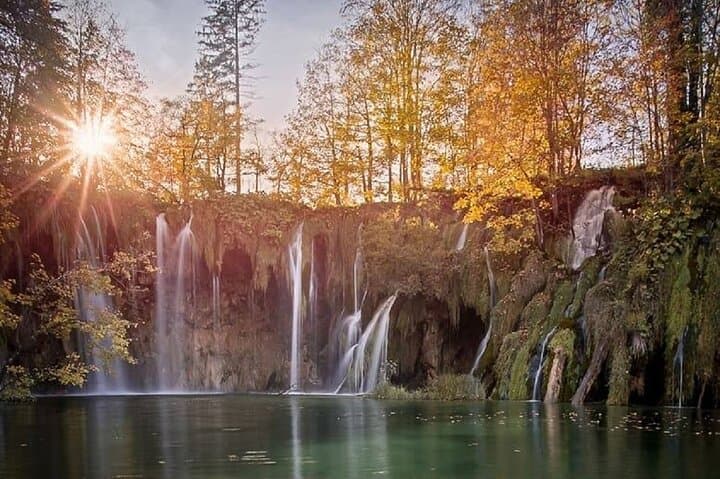
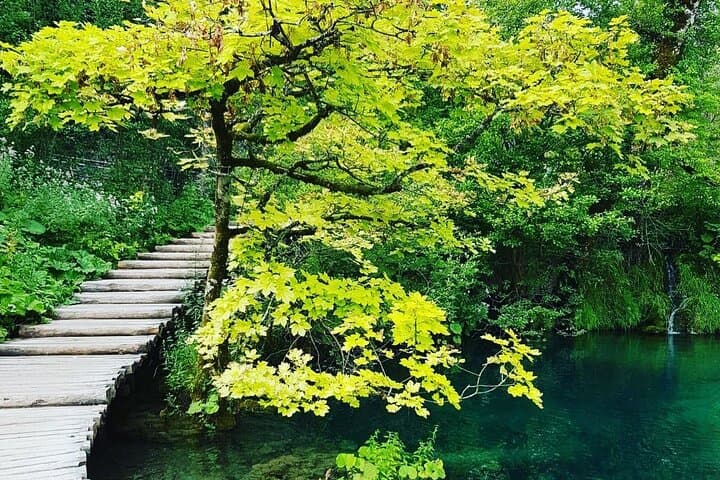
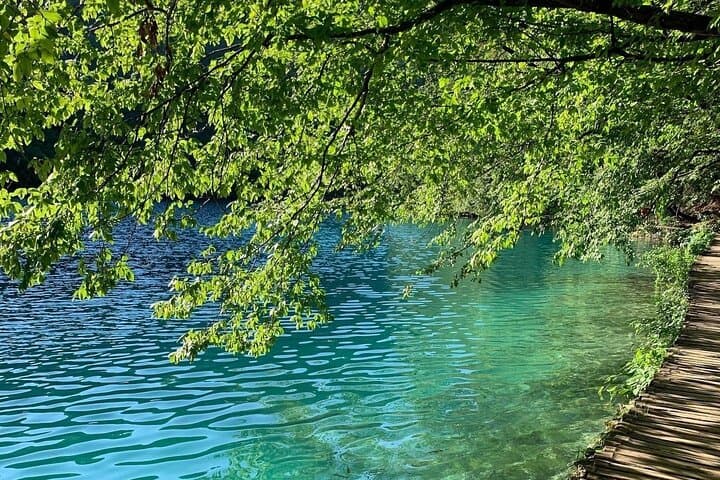
A thin spray hangs in the air as you step onto the first wooden boardwalk, the boards still cool from morning shade. Water moves with purpose here—trickling off travertine shelves, gathering into pools so clear you can read their pebbled floors. The guide counts off the route with the easy authority of someone who grew up nearby. You walk, boat, and ride a panoramic train through a landscape that folds and unfolds like a slow-motion waterfall.
Verified experiences and guided adventures in the surrounding area.
Operated by Premium Travel · Plitvička Jezera, Lika-Senj County
A thin spray hangs in the air as you step onto the first wooden boardwalk, the boards still cool from morning shade. Water moves with purpose here—trickling off travertine shelves, gathering into pools so clear you can read their pebbled floors. The guide counts off the route with the easy authority of someone who grew up nearby. You walk, boat, and ride a panoramic train through a landscape that folds and unfolds like a slow-motion waterfall.
This private, 4.5-hour walking tour threads the park's lower lakes before a short boat across Lake Kozjak and then continues through the upper lakes to station 3. Expect roughly 8 km (about 5 miles) of walking and around 150 m (500 ft) of cumulative elevation gain on mostly boardwalks, stone paths, and short forest trails. The path brings you face-to-face with Veliki Slap, Croatia's highest cascade at about 78 m, and stops at memorials honoring local figures such as Milka Ternina and Gustav Janecek—reminders that Plitvice's human story is layered over its geological one.
Geologically, these lakes are made by living rock. Travertine dams grow as water deposits calcium carbonate, slowly building the shelves that hold the lakes. That process gives the park its signature curtains of waterfalls and the algae-driven colors that range from jade to electric turquoise. The guides on this tour are predominantly local, which means narration weaves natural science with folklore, opera history, and practical tips for reading the land.
Practicalities matter here. The tour meets at Entrance 1 or 2, and the operator times the route to include a 20-minute panoramic boat across Kozjak and a return on the park's small train from station 3. Wear grippy, water-resistant shoes; boardwalks can be wet, and spring runoff makes some trails muddy. Bring a refillable water bottle and a light rain jacket—weather in the karst can change fast. If you want photos without crowds, aim for the first departures; mid-morning draws the largest flows of visitors.
The pace balances sightseeing and fresh air. Guides allow short rests at viewpoints and will point out quieter coves where otters sometimes appear. As always in fragile places, stay on marked paths—travertine grows slowly and foot traffic can cause long-term damage. With an informed local guide, this route feels effortless: the water keeps moving ahead, compelling you along, while the landscape reveals both science and story at every turn.
moderate.
4–5 hours.
Moderate fitness; comfortable walking 8 km with short elevation changes and standing for viewpoints.
Park entry fees are not included; the tour covers guiding, transport within the itinerary, boat and train sequencing but you should buy park tickets separately or confirm inclusion when booking.
It is moderate: about 8 km of mostly flat boardwalks and short uphill sections; people who can walk 5 miles comfortably should manage it.
Service animals are permitted, but regular pets are not recommended due to park rules and wildlife presence; confirm with the operator ahead of time.
Yes; local guides can adjust stops slightly if time allows, but the core route and logistics like the Kozjak boat and train schedule are fixed.
The park is open in winter but boardwalks can be icy and some boat services or facilities may be reduced; dress in layers and check conditions before going.
Plitvička Jezera is roughly a 2–2.5 hour drive from Zagreb; organized transfers can be arranged or you can use regional buses to nearby towns then local shuttle services.
Plitvice Lakes National Park was established in 1949 and added to UNESCO's World Heritage List in 1979; memorials along the route honor figures like Milka Ternina and Gustav Janecek who shaped local culture and conservation.
The park's travertine formations form slowly and are vulnerable to erosion; staying on boardwalks, avoiding soaps or sunblocks in the water, and following guide instructions reduces human impact.
Premium Travel operates guided outdoor trips and adventures with an emphasis on safety, stewardship, and memorable experiences.
A thin spray hangs in the air as you step onto the first wooden boardwalk, the boards still cool from morning shade. Water moves with purpose here—trickling off travertine shelves, gathering into pools so clear you can read their pebbled floors. The guide counts off the route with the easy authority of someone who grew up nearby. You walk, boat, and ride a panoramic train through a landscape that folds and unfolds like a slow-motion waterfall.
A thin spray hangs in the air as you step onto the first wooden boardwalk, the boards still cool from morning shade. Water moves with purpose here—trickling off travertine shelves, gathering into pools so clear you can read their pebbled floors. The guide counts off the route with the easy authority of someone who grew up nearby. You walk, boat, and ride a panoramic train through a landscape that folds and unfolds like a slow-motion waterfall.
This private, 4.5-hour walking tour threads the park's lower lakes before a short boat across Lake Kozjak and then continues through the upper lakes to station 3. Expect roughly 8 km (about 5 miles) of walking and around 150 m (500 ft) of cumulative elevation gain on mostly boardwalks, stone paths, and short forest trails. The path brings you face-to-face with Veliki Slap, Croatia's highest cascade at about 78 m, and stops at memorials honoring local figures such as Milka Ternina and Gustav Janecek—reminders that Plitvice's human story is layered over its geological one.
Geologically, these lakes are made by living rock. Travertine dams grow as water deposits calcium carbonate, slowly building the shelves that hold the lakes. That process gives the park its signature curtains of waterfalls and the algae-driven colors that range from jade to electric turquoise. The guides on this tour are predominantly local, which means narration weaves natural science with folklore, opera history, and practical tips for reading the land.
Practicalities matter here. The tour meets at Entrance 1 or 2, and the operator times the route to include a 20-minute panoramic boat across Kozjak and a return on the park's small train from station 3. Wear grippy, water-resistant shoes; boardwalks can be wet, and spring runoff makes some trails muddy. Bring a refillable water bottle and a light rain jacket—weather in the karst can change fast. If you want photos without crowds, aim for the first departures; mid-morning draws the largest flows of visitors.
The pace balances sightseeing and fresh air. Guides allow short rests at viewpoints and will point out quieter coves where otters sometimes appear. As always in fragile places, stay on marked paths—travertine grows slowly and foot traffic can cause long-term damage. With an informed local guide, this route feels effortless: the water keeps moving ahead, compelling you along, while the landscape reveals both science and story at every turn.