THE ADVENTURE COLLECTIVE® · Independent discovery and booking for outdoor travel

A full-day small-group tour from Zagreb that pairs the mill-lined streams of Rastoke with the tiered turquoise basins of Plitvice Lakes National Park. Expect boardwalks, boat crossings, a panoramic train and interpretive storytelling on geology and local life.
A full-day small-group tour from Zagreb that pairs the mill-lined streams of Rastoke with the tiered turquoise basins of Plitvice Lakes National Park. Expect boardwalks, boat crossings, a panoramic train and interpretive storytelling on geology and local life.
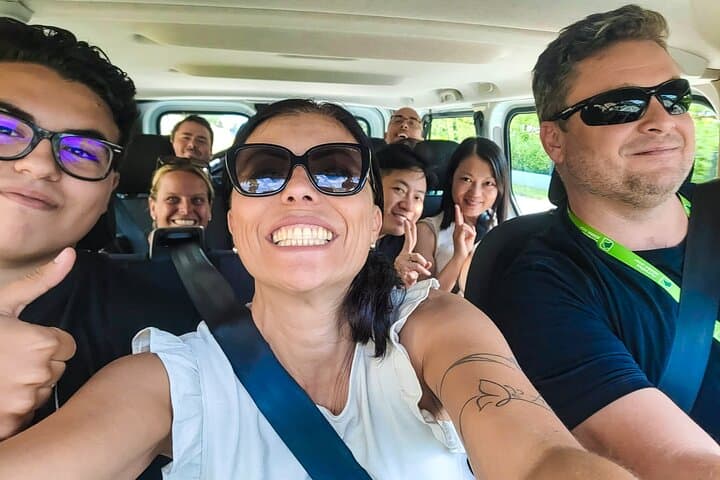
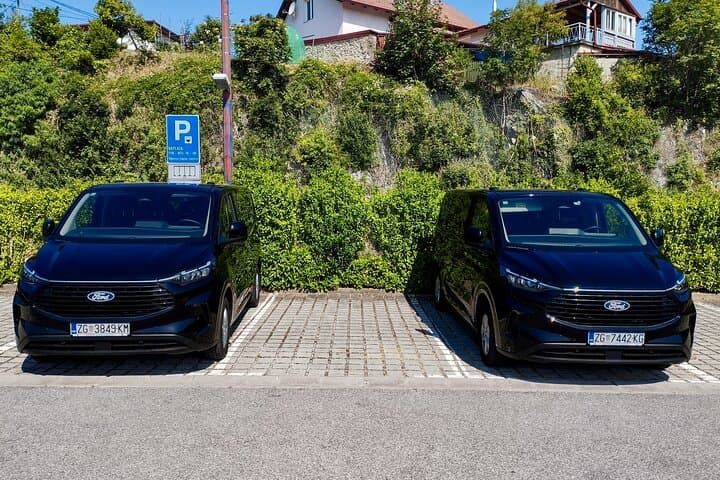
The van hums out of Zagreb before dawn, headlights cutting the soft Croatian light as the guide sketches a history of the region between towns. By the time the road narrows and the air smells of pine, the Korana River greets the group at Rastoke — a village where wooden mills lean over riffles and water insists on moving the story forward. It’s a quiet opening to a louder act: Plitvice’s tiers of turquoise lakes and cascading falls.
Verified experiences and guided adventures in the surrounding area.
Operated by Pegasus travel · Zagreb, Lika-Senj County
The van hums out of Zagreb before dawn, headlights cutting the soft Croatian light as the guide sketches a history of the region between towns. By the time the road narrows and the air smells of pine, the Korana River greets the group at Rastoke — a village where wooden mills lean over riffles and water insists on moving the story forward. It’s a quiet opening to a louder act: Plitvice’s tiers of turquoise lakes and cascading falls.
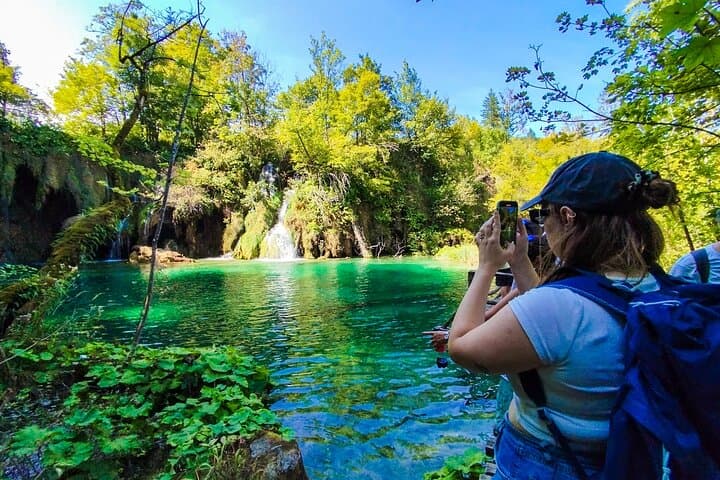
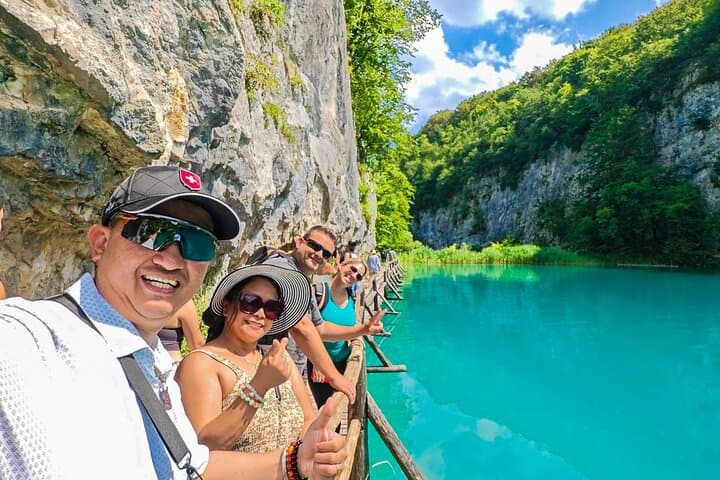
Plitvice Lakes National Park is a geological workshop. Over millennia, mineral-rich water has built tufa — porous travertine barriers that cradle sixteen connected lakes and create constant waterfalls. The park’s boardwalks thread through this living geology, sometimes skirting rushes, sometimes spanning thin curtains of falling water. Historically, Rastoke’s watermills powered grain and hemp processing and illustrate how local communities adapted to karst landscapes; the route from Zagreb to the park crosses terrain shaped by glacial and karst processes that make the lakes unusually colorful and changeable.
Culturally, the trip is as much about human scale as natural spectacle: the guide will point out village architecture, describe Lika-Senj County’s rural traditions, and explain conservation measures that protect endemic flora and the occasional deer or bird that appears at the water’s edge.
Practically, expect a full day: the tour runs about 9–10 hours with roughly an 8.5 km (5.3 mi) walking loop through Upper and Lower Lakes during high season, plus a short boat across Kozjak and a panoramic train ride. Paths are mostly wooden boardwalks with minimal elevation gain, but sections can be uneven or slippery when wet. From November through March, access is limited to the Lower Lakes and some park services (boat/train) may not run — check seasonal notices.
For photographers and hikers, timing matters: early light softens the falls and crowds thin; midday is bright but busy. The small-group format (max 8) gives breathing room on viewpoints and lets the guide tailor pacing. Bring a passport or ID (required), comfortable waterproof footwear, a reusable water bottle, and a light rain layer. The tour includes entrance fees, private transport from central Zagreb pickup points, and the guide’s narrative — so travelers can focus on scenery and asking questions.
This is a day that balances spectacle with accessibility: dramatic water, readable geology, and villages that show how people have long lived with moving water. It’s a concise immersion in Croatia’s natural heart, built for travelers who want context as well as vistas.
moderate.
9–10 hours.
Suitable for average fitness; you should be comfortable walking 8–9 km on mostly flat but sometimes uneven wooden paths.
The tour lasts about 9–10 hours and includes private transport from Zagreb, an English-speaking guide, park entrance ticket, boat and train rides (seasonal), and a visit to Rastoke.
No—most walking is on wooden boardwalks with minimal elevation gain, though the distance (~8.5 km) requires steady walking for several hours.
Yes—infants can use strollers on some sections and infant seats are available in the vehicle; confirm during booking for logistics.
From Nov 1–Mar 31 only the Lower Lakes are usually accessible and trains/boats may not operate; routes depend on weather and park rules.
Service animals are permitted; private pets are generally not allowed inside Plitvice National Park—check with the operator beforehand.
There are cafes and picnic areas but bringing snacks is recommended for dietary needs; lunch is not included in the tour price.
Rastoke’s watermills show centuries of local industry where communities harnessed karst streams; Plitvice became Croatia’s first national park in 1949 and a UNESCO site in 1979.
Visitors must stay on designated paths to protect fragile tufa formations; the park enforces limits on access and infrastructure to reduce erosion and water pollution.
Pegasus travel operates guided outdoor trips and adventures with an emphasis on safety, stewardship, and memorable experiences.
The van hums out of Zagreb before dawn, headlights cutting the soft Croatian light as the guide sketches a history of the region between towns. By the time the road narrows and the air smells of pine, the Korana River greets the group at Rastoke — a village where wooden mills lean over riffles and water insists on moving the story forward. It’s a quiet opening to a louder act: Plitvice’s tiers of turquoise lakes and cascading falls.
The van hums out of Zagreb before dawn, headlights cutting the soft Croatian light as the guide sketches a history of the region between towns. By the time the road narrows and the air smells of pine, the Korana River greets the group at Rastoke — a village where wooden mills lean over riffles and water insists on moving the story forward. It’s a quiet opening to a louder act: Plitvice’s tiers of turquoise lakes and cascading falls.
Plitvice Lakes National Park is a geological workshop. Over millennia, mineral-rich water has built tufa — porous travertine barriers that cradle sixteen connected lakes and create constant waterfalls. The park’s boardwalks thread through this living geology, sometimes skirting rushes, sometimes spanning thin curtains of falling water. Historically, Rastoke’s watermills powered grain and hemp processing and illustrate how local communities adapted to karst landscapes; the route from Zagreb to the park crosses terrain shaped by glacial and karst processes that make the lakes unusually colorful and changeable.
Culturally, the trip is as much about human scale as natural spectacle: the guide will point out village architecture, describe Lika-Senj County’s rural traditions, and explain conservation measures that protect endemic flora and the occasional deer or bird that appears at the water’s edge.
Practically, expect a full day: the tour runs about 9–10 hours with roughly an 8.5 km (5.3 mi) walking loop through Upper and Lower Lakes during high season, plus a short boat across Kozjak and a panoramic train ride. Paths are mostly wooden boardwalks with minimal elevation gain, but sections can be uneven or slippery when wet. From November through March, access is limited to the Lower Lakes and some park services (boat/train) may not run — check seasonal notices.
For photographers and hikers, timing matters: early light softens the falls and crowds thin; midday is bright but busy. The small-group format (max 8) gives breathing room on viewpoints and lets the guide tailor pacing. Bring a passport or ID (required), comfortable waterproof footwear, a reusable water bottle, and a light rain layer. The tour includes entrance fees, private transport from central Zagreb pickup points, and the guide’s narrative — so travelers can focus on scenery and asking questions.
This is a day that balances spectacle with accessibility: dramatic water, readable geology, and villages that show how people have long lived with moving water. It’s a concise immersion in Croatia’s natural heart, built for travelers who want context as well as vistas.