THE ADVENTURE COLLECTIVE® · Independent discovery and booking for outdoor travel

A private, full-day excursion from Split to Plitvice Lakes National Park that pairs convenient transport with a guided walk across the park’s famous boardwalks, boat crossing, and viewpoints above the Big Waterfall. Ideal for travelers who want a stress-free way to see Croatia’s karst lakes in one day.
A private, full-day excursion from Split to Plitvice Lakes National Park that pairs convenient transport with a guided walk across the park’s famous boardwalks, boat crossing, and viewpoints above the Big Waterfall. Ideal for travelers who want a stress-free way to see Croatia’s karst lakes in one day.
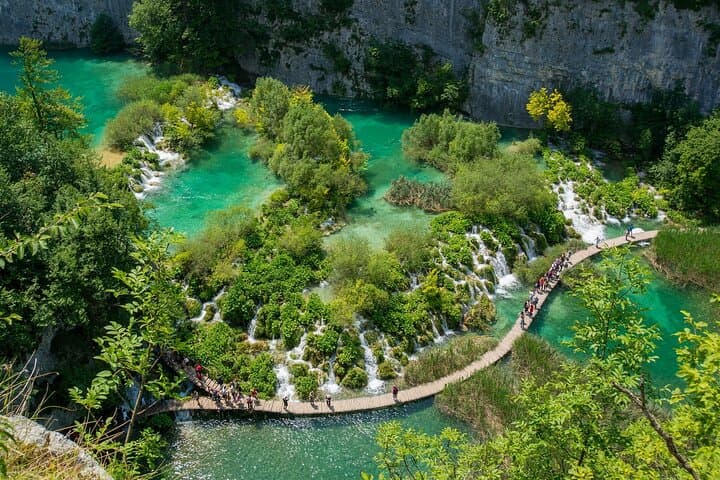
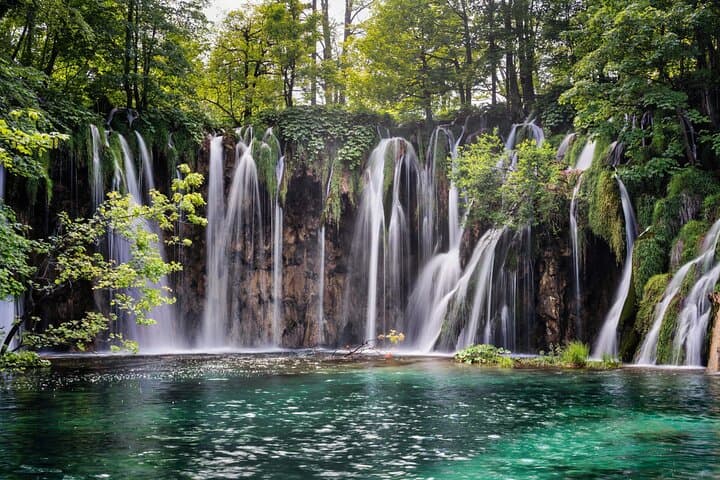
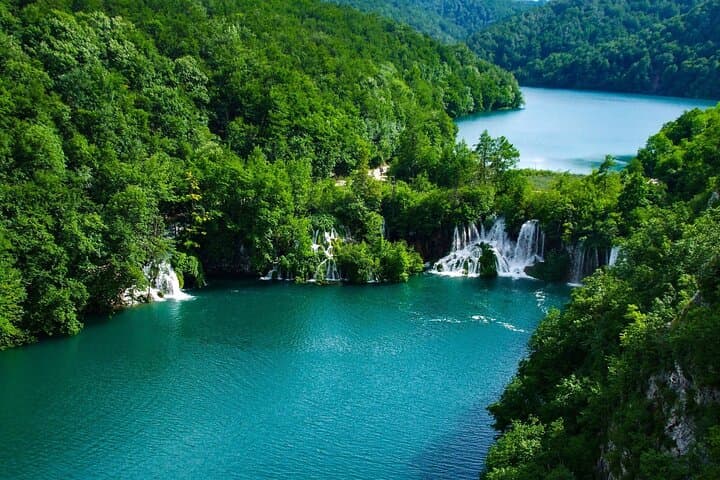
The road from Split peels away from the Adriatic and climbs into a different Croatia — one of limestone, spruce, and a humidity that makes the air feel alive. After three hours in an air-conditioned minivan your guide points to a low range of karst ridges and the first glimpses of jade-green lakes cradled in wooded bowls. You step off the vehicle into the cool hush of Plitvice Lakes National Park, and the sound that dominates is water: cascading, threading, pooling. Wooden boardwalks lay like a walking map over the surface, compelling you forward, sometimes level with the lakes, sometimes hovering above thundering falls.
Verified experiences and guided adventures in the surrounding area.
Operated by Dalmatia Trips · Plitvička Jezera, Lika-Senj County
The road from Split peels away from the Adriatic and climbs into a different Croatia — one of limestone, spruce, and a humidity that makes the air feel alive. After three hours in an air-conditioned minivan your guide points to a low range of karst ridges and the first glimpses of jade-green lakes cradled in wooded bowls. You step off the vehicle into the cool hush of Plitvice Lakes National Park, and the sound that dominates is water: cascading, threading, pooling. Wooden boardwalks lay like a walking map over the surface, compelling you forward, sometimes level with the lakes, sometimes hovering above thundering falls.
Plitvice is a geological showpiece formed where the chemistry of water meets the slow architecture of tufa — calcium carbonate deposits that build natural dams and step the landscape into terraces. The park, a UNESCO World Heritage site since 1979, preserves twelve upper and four lower lakes, linked by a network of falls. Human history here is quieter; Lika shepherds and forest communities have long lived on the margins, using chestnut and beech woods and carving a seasonal rhythm that remains visible in small villages and local eateries around the park.
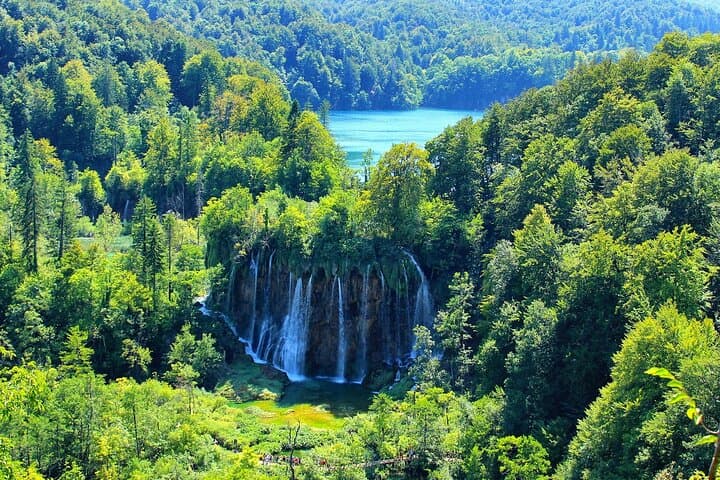
Your private tour packages the essentials: round-trip transport from Split (roughly 3 hours each way), entrance fees, and a licensed English-speaking guide who steers you along the recommended loop. Expect four hours inside the park — enough to cover the boardwalks, short boat crossing on Kozjak Lake, and viewpoints above the Great Waterfall (Veliki Slap), Croatia’s tallest cascade.
Practicalities matter: the walking distance for a standard circuit is roughly 4–8 km depending on chosen route, with many flat sections but also stairs and short uneven stretches; budget for 150–300 steps. Paths can be slippery after rain; a light waterproof layer and grippy shoes make the day easier. The tour runs year-round but the character changes dramatically — spring snowmelt fattens the falls, summer brings crowds and warm lake colors, autumn paints the forest, and winter freezes parts of the falls into sculptural ice.
Because the trip includes private pickup, bottled water and Wi‑Fi on board, it’s an easy option for travelers who want the park’s spectacle without logistical hair. Lunch is optional at local restaurants near the park entrance; bring cash for small purchases. Book early in high season, and plan your return so you’re not caught in late-afternoon traffic — the road back can be as reflective as the morning was anticipatory, another stretch of coastal light and silence before Split’s bustle reappears.
easy.
10 hours.
Suitable for most fitness levels; be prepared to walk 4–8 km with some stairs and short uneven sections.
Approximately 2.5–3 hours each way depending on traffic and the chosen pickup point in Split.
Yes — the tour includes the Plitvice Lakes National Park entrance fee.
Expect about 4–8 km on mostly flat boardwalks with some stair sections; the guided portion is roughly 4 hours.
Lunch is optional; there are local restaurants near the park entrances where you can eat, and small kiosks for snacks — bring cash for rural vendors.
Yes, it’s family-friendly and suitable for older travelers who can manage moderate walking; the private vehicle and guide make pacing flexible.
Warm layers, insulated waterproof boots, and traction on soles are recommended — parts of the park can be icy and several falls partially freeze.
The park sits in the Lika region; its protection began in the late 19th and early 20th centuries, culminating in UNESCO inscription in 1979.
Tufa formation is sensitive to changes in water chemistry and foot traffic — staying on designated boardwalks helps preserve the delicate deposits and aquatic habitat.
Dalmatia Trips operates guided outdoor trips and adventures with an emphasis on safety, stewardship, and memorable experiences.
The road from Split peels away from the Adriatic and climbs into a different Croatia — one of limestone, spruce, and a humidity that makes the air feel alive. After three hours in an air-conditioned minivan your guide points to a low range of karst ridges and the first glimpses of jade-green lakes cradled in wooded bowls. You step off the vehicle into the cool hush of Plitvice Lakes National Park, and the sound that dominates is water: cascading, threading, pooling. Wooden boardwalks lay like a walking map over the surface, compelling you forward, sometimes level with the lakes, sometimes hovering above thundering falls.
The road from Split peels away from the Adriatic and climbs into a different Croatia — one of limestone, spruce, and a humidity that makes the air feel alive. After three hours in an air-conditioned minivan your guide points to a low range of karst ridges and the first glimpses of jade-green lakes cradled in wooded bowls. You step off the vehicle into the cool hush of Plitvice Lakes National Park, and the sound that dominates is water: cascading, threading, pooling. Wooden boardwalks lay like a walking map over the surface, compelling you forward, sometimes level with the lakes, sometimes hovering above thundering falls.
Plitvice is a geological showpiece formed where the chemistry of water meets the slow architecture of tufa — calcium carbonate deposits that build natural dams and step the landscape into terraces. The park, a UNESCO World Heritage site since 1979, preserves twelve upper and four lower lakes, linked by a network of falls. Human history here is quieter; Lika shepherds and forest communities have long lived on the margins, using chestnut and beech woods and carving a seasonal rhythm that remains visible in small villages and local eateries around the park.
Your private tour packages the essentials: round-trip transport from Split (roughly 3 hours each way), entrance fees, and a licensed English-speaking guide who steers you along the recommended loop. Expect four hours inside the park — enough to cover the boardwalks, short boat crossing on Kozjak Lake, and viewpoints above the Great Waterfall (Veliki Slap), Croatia’s tallest cascade.
Practicalities matter: the walking distance for a standard circuit is roughly 4–8 km depending on chosen route, with many flat sections but also stairs and short uneven stretches; budget for 150–300 steps. Paths can be slippery after rain; a light waterproof layer and grippy shoes make the day easier. The tour runs year-round but the character changes dramatically — spring snowmelt fattens the falls, summer brings crowds and warm lake colors, autumn paints the forest, and winter freezes parts of the falls into sculptural ice.
Because the trip includes private pickup, bottled water and Wi‑Fi on board, it’s an easy option for travelers who want the park’s spectacle without logistical hair. Lunch is optional at local restaurants near the park entrance; bring cash for small purchases. Book early in high season, and plan your return so you’re not caught in late-afternoon traffic — the road back can be as reflective as the morning was anticipatory, another stretch of coastal light and silence before Split’s bustle reappears.