THE ADVENTURE COLLECTIVE® · Independent discovery and booking for outdoor travel

Leave the Dalmatian coast for a day and walk across aquamarine terraces of travertine at Plitvice Lakes. This private, all‑inclusive daytrip from Split or Trogir combines scenic driving, a lake boat ride, family‑farm tastings and timed park entry for a seamless visit.
Leave the Dalmatian coast for a day and walk across aquamarine terraces of travertine at Plitvice Lakes. This private, all‑inclusive daytrip from Split or Trogir combines scenic driving, a lake boat ride, family‑farm tastings and timed park entry for a seamless visit.
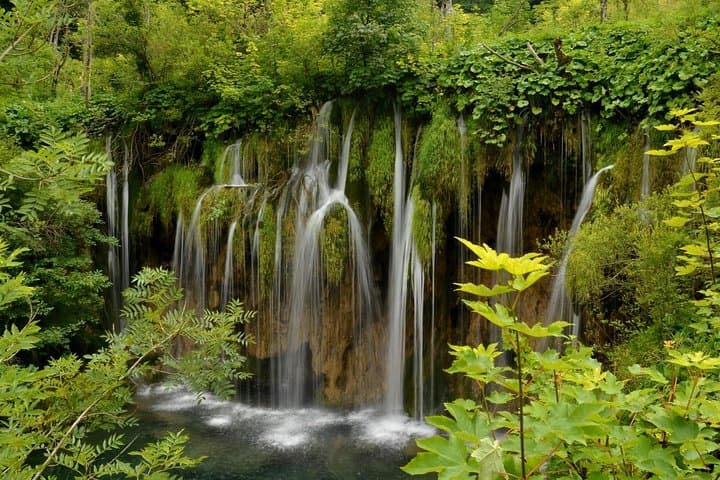
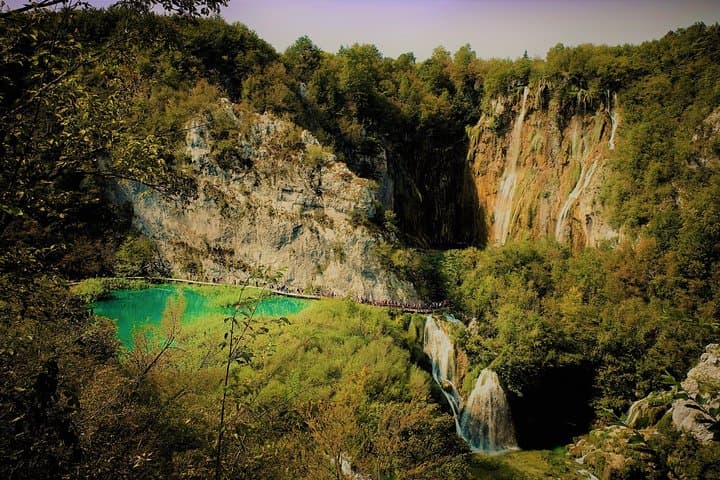
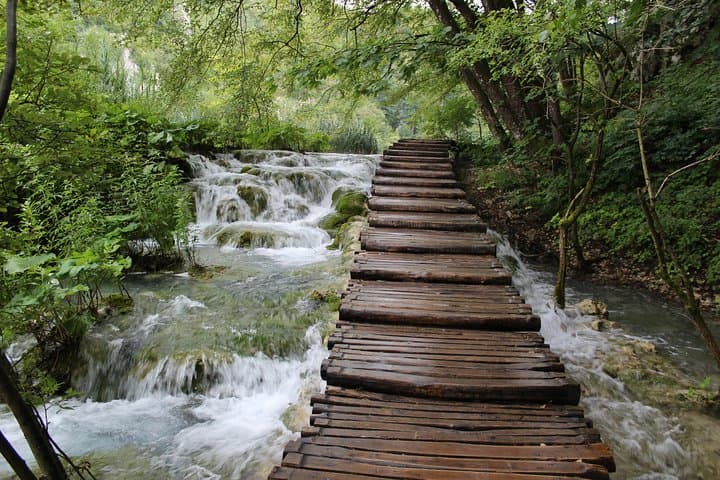
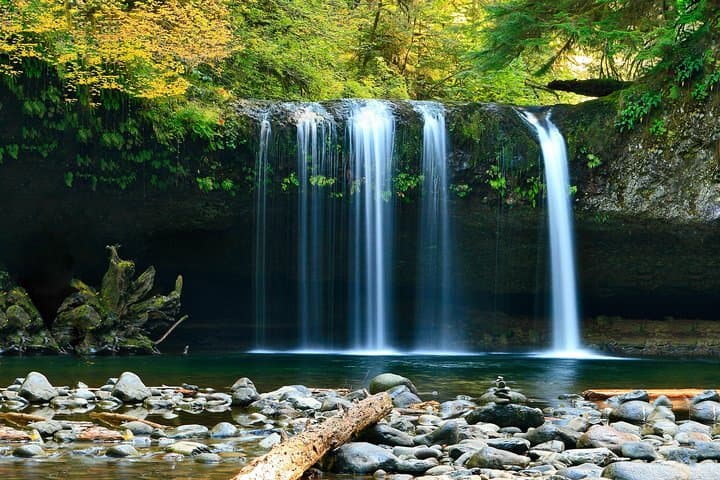
You turn off the coastal highway and the Adriatic blue recedes; the bus climbs into folded karst country and the air changes—cooler, mineral-laced, as if the landscape itself exhales. By midmorning you step onto the park’s wooden boardwalks and the lakes take over: terraces of vivid aquamarine cleaved by travertine dams, water finding routes like a patient engineer. The sound is constant and immediate—water daring you to follow it.
Verified experiences and guided adventures in the surrounding area.
Operated by Makadam travel · Plitvička Jezera, Lika-Senj County
You turn off the coastal highway and the Adriatic blue recedes; the bus climbs into folded karst country and the air changes—cooler, mineral-laced, as if the landscape itself exhales. By midmorning you step onto the park’s wooden boardwalks and the lakes take over: terraces of vivid aquamarine cleaved by travertine dams, water finding routes like a patient engineer. The sound is constant and immediate—water daring you to follow it.
Plitvice Lakes National Park, a UNESCO site since 1979, is carved from limestone and shaped by constant deposition of travertine. Over thousands of years springs, rivers and waterfalls have built the park’s shelves and basins; you’ll see the geology in cross-section—bedded rock, moss-clad ledges and the bright calcium rims that keep the lakes separate. Culturally, this is highland Croatia: scattered villages, mills and family farms where traditional cheeses and smoked meats survive on seasonal rhythms. The tour’s drive along the old road frames small scenes—Rastoke’s roadside cascades, a hilltop castle, an occasional shepherd’s stone hut.
The experience is straightforward: a scenic drive from Split or Trogir (about 2.5–3 hours), roughly 3–5 hours inside the park on mostly level boardwalks and marked trails, and a short boat crossing on Kozjak Lake. You’ll cover several kilometers on foot with intermittent stairs and gentle elevation changes—expect around 100–200 meters of cumulative ascent if you explore the upper and lower circuits. Guides point out travertine formation, the park’s endemic plants and the wildlife that slips between viewpoints—the park’s red deer and otter are shy but present.
Practical edge: arrive early to avoid the midday crush; the park issues timed entrance windows in high season and your tour includes tickets and an English-speaking driver. Wear grippy shoes—the boardwalks can be wet and slippery—and pack a lightweight waterproof, a full water bottle and a camera with a polarizer to cut glare on the lakes. If you want village flavor, the itinerary often stops at a family farm for tastings and a short deer‑feeding walk; these touches add cultural texture without altering the day’s pace.
This is a day for motion that slows you down: walking alongside water that keeps building itself, listening for wings and the whisper of the pine, and returning to the coast with a clearer sense of how land and limestone shape each other. For travelers wanting an efficient, comfortable entry into one of Europe’s most kinetic landscapes, the private, all‑inclusive daytrip from Split or Trogir is a practical, memory-rich option.
moderate.
6–10 hours.
Suitable for travelers with a moderate level of fitness who can walk several kilometers on uneven, often wet boardwalks and climb short stair sections.
Expect about 2.5–3 hours each way depending on traffic; the tour includes comfortable transfers and an English‑speaking driver.
Yes — this all‑inclusive tour covers National Park Plitvice tickets, so you won’t need to buy them onsite.
Plan for several kilometers on boardwalks and trails over 3–5 hours inside the park; routes include some stairs but are mostly moderate.
The tour notes stroller access in some sections, but parts of the trail include steps and narrow boardwalks, so it’s best for children who can walk short distances.
Many lower trail sections are accessible but not all circuits are wheelchair‑friendly; contact the operator to discuss specific accessibility needs.
The operator may cancel for severe weather; light rain rarely stops the tour but expect wet surfaces—bring a waterproof layer.
Plitvice’s travertine dams have formed over millennia from calcium carbonate deposition; the park received UNESCO protection in 1979 and has long been managed to balance tourism with preservation.
Stick to marked paths to protect fragile travertine and plant life; the park limits access during peak periods and encourages reusable bottles and low‑impact behavior.
Makadam travel operates guided outdoor trips and adventures with an emphasis on safety, stewardship, and memorable experiences.
You turn off the coastal highway and the Adriatic blue recedes; the bus climbs into folded karst country and the air changes—cooler, mineral-laced, as if the landscape itself exhales. By midmorning you step onto the park’s wooden boardwalks and the lakes take over: terraces of vivid aquamarine cleaved by travertine dams, water finding routes like a patient engineer. The sound is constant and immediate—water daring you to follow it.
You turn off the coastal highway and the Adriatic blue recedes; the bus climbs into folded karst country and the air changes—cooler, mineral-laced, as if the landscape itself exhales. By midmorning you step onto the park’s wooden boardwalks and the lakes take over: terraces of vivid aquamarine cleaved by travertine dams, water finding routes like a patient engineer. The sound is constant and immediate—water daring you to follow it.
Plitvice Lakes National Park, a UNESCO site since 1979, is carved from limestone and shaped by constant deposition of travertine. Over thousands of years springs, rivers and waterfalls have built the park’s shelves and basins; you’ll see the geology in cross-section—bedded rock, moss-clad ledges and the bright calcium rims that keep the lakes separate. Culturally, this is highland Croatia: scattered villages, mills and family farms where traditional cheeses and smoked meats survive on seasonal rhythms. The tour’s drive along the old road frames small scenes—Rastoke’s roadside cascades, a hilltop castle, an occasional shepherd’s stone hut.
The experience is straightforward: a scenic drive from Split or Trogir (about 2.5–3 hours), roughly 3–5 hours inside the park on mostly level boardwalks and marked trails, and a short boat crossing on Kozjak Lake. You’ll cover several kilometers on foot with intermittent stairs and gentle elevation changes—expect around 100–200 meters of cumulative ascent if you explore the upper and lower circuits. Guides point out travertine formation, the park’s endemic plants and the wildlife that slips between viewpoints—the park’s red deer and otter are shy but present.
Practical edge: arrive early to avoid the midday crush; the park issues timed entrance windows in high season and your tour includes tickets and an English-speaking driver. Wear grippy shoes—the boardwalks can be wet and slippery—and pack a lightweight waterproof, a full water bottle and a camera with a polarizer to cut glare on the lakes. If you want village flavor, the itinerary often stops at a family farm for tastings and a short deer‑feeding walk; these touches add cultural texture without altering the day’s pace.
This is a day for motion that slows you down: walking alongside water that keeps building itself, listening for wings and the whisper of the pine, and returning to the coast with a clearer sense of how land and limestone shape each other. For travelers wanting an efficient, comfortable entry into one of Europe’s most kinetic landscapes, the private, all‑inclusive daytrip from Split or Trogir is a practical, memory-rich option.