THE ADVENTURE COLLECTIVE® · Independent discovery and booking for outdoor travel

A full-day photography-focused tour from Zagreb that takes you through Plitvice’s cascading lakes, waterfalls, and an old watermill village. A professional photographer-guide teaches framing, exposure, and how to protect the park while you shoot.
A full-day photography-focused tour from Zagreb that takes you through Plitvice’s cascading lakes, waterfalls, and an old watermill village. A professional photographer-guide teaches framing, exposure, and how to protect the park while you shoot.
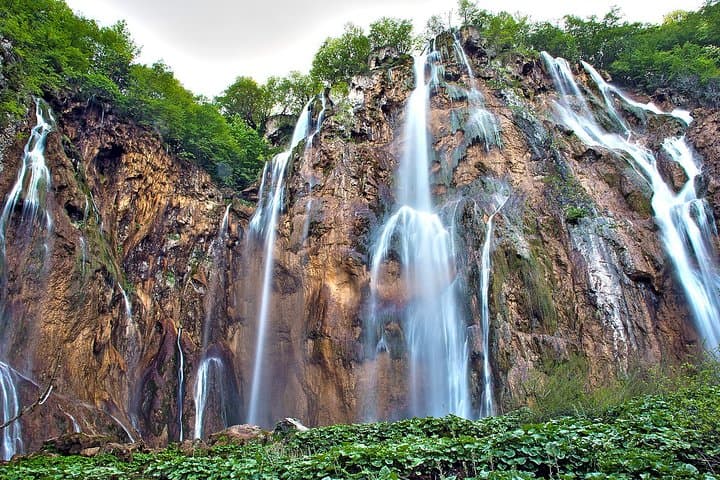
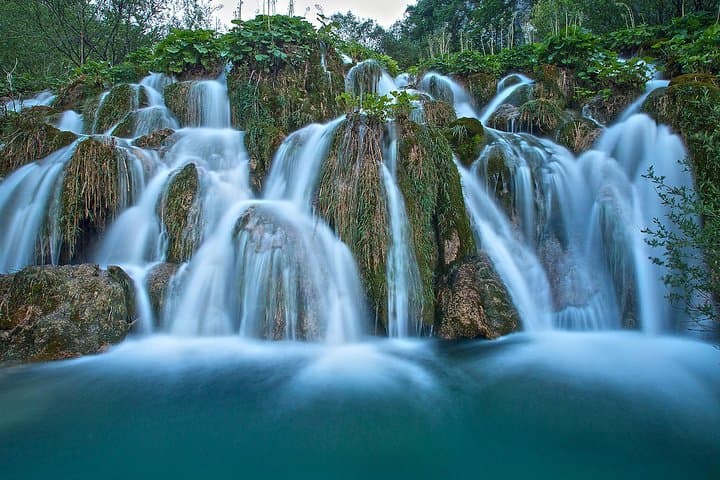
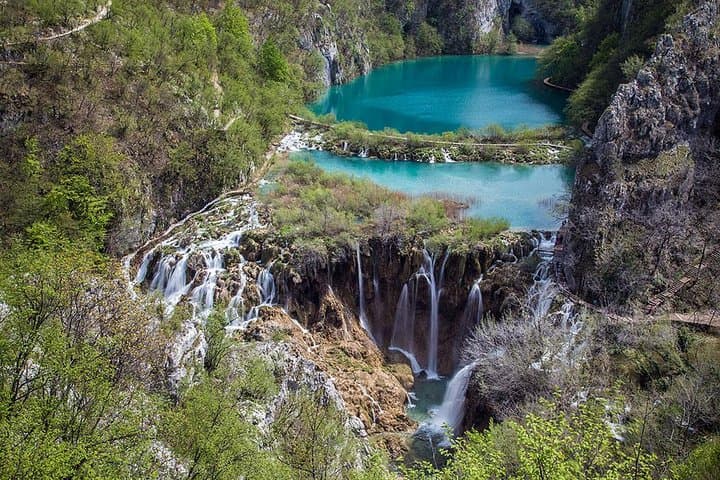
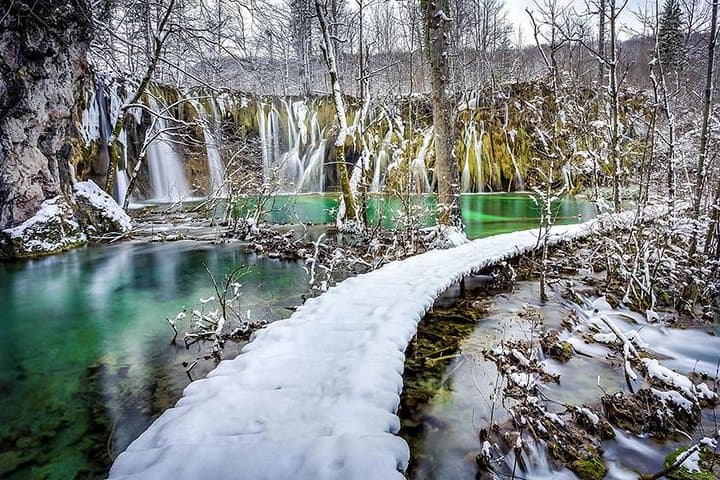
You step from the van into a cool, mineral-scented air and the world rearranges itself around water. Plitvice’s karst lakes don't sit still; they move you—sheets of foam, bright green moss clinging to limestone, and wooden boardwalks that thread across the surface like a photographer's set. A professional photographer-guide at your side points out angles where the falls spill in ribbons and where the travertine terraces catch morning light, turning water into silver and jade.
Verified experiences and guided adventures in the surrounding area.
Operated by Croatia Photo Tour · Plitvička Jezera, Lika-Senj County
You step from the van into a cool, mineral-scented air and the world rearranges itself around water. Plitvice’s karst lakes don't sit still; they move you—sheets of foam, bright green moss clinging to limestone, and wooden boardwalks that thread across the surface like a photographer's set. A professional photographer-guide at your side points out angles where the falls spill in ribbons and where the travertine terraces catch morning light, turning water into silver and jade.
Formed by centuries of calcite deposits, the Plitvice lakes are a geological record you can walk. Water percolating through limestone leaves behind travertine barriers; those barriers create the stepped lakes and waterfalls that make the park famous. Plitvice was designated Croatia’s first national park in 1949 and the area carries echoes of human life in small settlements and watermills that once harnessed the same rivers visitors now frame on camera.
The tour pulls in cultural punctuation: a stop at Rastoke — an old watermill village where two rivers meet and wooden wheels still turn — shows how people shaped and were shaped by this wet landscape. Your guide will parse composition and exposure, but also context: when to favor a long exposure to silk the falls, when to freeze a drop mid-air, and how to preserve the park’s fragile travertine by staying on boardwalks.
Practicalities matter. Expect a full-day commitment from Zagreb—roughly 2–2.5 hours each way depending on traffic—and 8–12 hours of activity in the park included in the tour. Routes vary; the itinerary covers lower and upper lakes, a boat crossing of Lake Kozjak, and vantage points above the cascades. Paths are wooden and stone, often wet and with stairs; bring grippy footwear.
Timing tips: arrive early for soft, directional light and fewer crowds; late afternoon brings warm tones and calmer surfaces for reflections. Overcast days can be gifts for waterfall photography—no blown highlights and saturated greens. In winter, the park turns minimal and dramatic but boardwalks can be icy and some trails close.
Logistics: national park entrance fees and round-trip private transfer from Zagreb are included. Tours are small-group (max seven), and the guide doubles as a photography instructor—bring your camera or phone, plus spare batteries and memory cards. If you want remote viewpoints or long exposures, pack a compact tripod and neutral-density filter.
This tour is both an introduction to Plitvice’s natural processes and a hands-on photography clinic. It’s designed for travellers who want to see more than the photos—they want to learn to make them.
moderate.
8–12 hours.
Moderate fitness — you’ll stand and walk several kilometers on uneven, wet boardwalks with some stairs.
Drive time is typically 2–2.5 hours each way depending on traffic; expect a full-day outing including park time.
Yes — entrance fees to Plitvice Lakes National Park are included in the tour price.
Yes — bring your camera or smartphone; the guide will offer instruction but you must supply your own device.
The tour can accommodate a range of ages but requires moderate mobility; participants should manage uneven, wet boardwalks and stairs.
Tours may be canceled in severe weather; overcast or light rain usually proceeds and can be excellent for waterfall photography.
Yes — a compact tripod is recommended and commonly used; full-size tripods may be cumbersome on crowded boardwalks.
Plitvice Lakes was established as Croatia’s first national park in 1949; the cascading travertine lakes formed over millennia through calcite deposition.
Stay on boardwalks and follow signage—travertine barriers and plant life are fragile; park fees support conservation and visitor management.
Croatia Photo Tour operates guided outdoor trips and adventures with an emphasis on safety, stewardship, and memorable experiences.
You step from the van into a cool, mineral-scented air and the world rearranges itself around water. Plitvice’s karst lakes don't sit still; they move you—sheets of foam, bright green moss clinging to limestone, and wooden boardwalks that thread across the surface like a photographer's set. A professional photographer-guide at your side points out angles where the falls spill in ribbons and where the travertine terraces catch morning light, turning water into silver and jade.
You step from the van into a cool, mineral-scented air and the world rearranges itself around water. Plitvice’s karst lakes don't sit still; they move you—sheets of foam, bright green moss clinging to limestone, and wooden boardwalks that thread across the surface like a photographer's set. A professional photographer-guide at your side points out angles where the falls spill in ribbons and where the travertine terraces catch morning light, turning water into silver and jade.
Formed by centuries of calcite deposits, the Plitvice lakes are a geological record you can walk. Water percolating through limestone leaves behind travertine barriers; those barriers create the stepped lakes and waterfalls that make the park famous. Plitvice was designated Croatia’s first national park in 1949 and the area carries echoes of human life in small settlements and watermills that once harnessed the same rivers visitors now frame on camera.
The tour pulls in cultural punctuation: a stop at Rastoke — an old watermill village where two rivers meet and wooden wheels still turn — shows how people shaped and were shaped by this wet landscape. Your guide will parse composition and exposure, but also context: when to favor a long exposure to silk the falls, when to freeze a drop mid-air, and how to preserve the park’s fragile travertine by staying on boardwalks.
Practicalities matter. Expect a full-day commitment from Zagreb—roughly 2–2.5 hours each way depending on traffic—and 8–12 hours of activity in the park included in the tour. Routes vary; the itinerary covers lower and upper lakes, a boat crossing of Lake Kozjak, and vantage points above the cascades. Paths are wooden and stone, often wet and with stairs; bring grippy footwear.
Timing tips: arrive early for soft, directional light and fewer crowds; late afternoon brings warm tones and calmer surfaces for reflections. Overcast days can be gifts for waterfall photography—no blown highlights and saturated greens. In winter, the park turns minimal and dramatic but boardwalks can be icy and some trails close.
Logistics: national park entrance fees and round-trip private transfer from Zagreb are included. Tours are small-group (max seven), and the guide doubles as a photography instructor—bring your camera or phone, plus spare batteries and memory cards. If you want remote viewpoints or long exposures, pack a compact tripod and neutral-density filter.
This tour is both an introduction to Plitvice’s natural processes and a hands-on photography clinic. It’s designed for travellers who want to see more than the photos—they want to learn to make them.