THE ADVENTURE COLLECTIVE® · Independent discovery and booking for outdoor travel

Leave the Dalmatian coast for a day and follow wooden boardwalks through 16 cascading lakes, thunderous waterfalls and ancient travertine dams. This guided day trip from Split bundles transport, a scenic Kozjak boat crossing and a local guide to get the most from Plitvice in a single long day.
Leave the Dalmatian coast for a day and follow wooden boardwalks through 16 cascading lakes, thunderous waterfalls and ancient travertine dams. This guided day trip from Split bundles transport, a scenic Kozjak boat crossing and a local guide to get the most from Plitvice in a single long day.
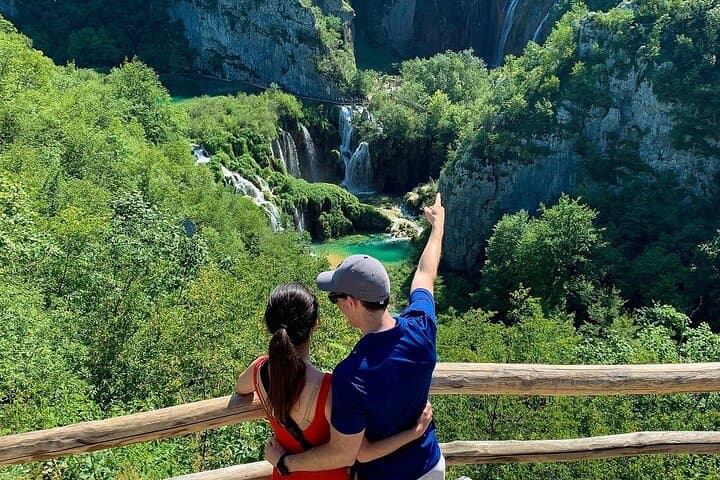
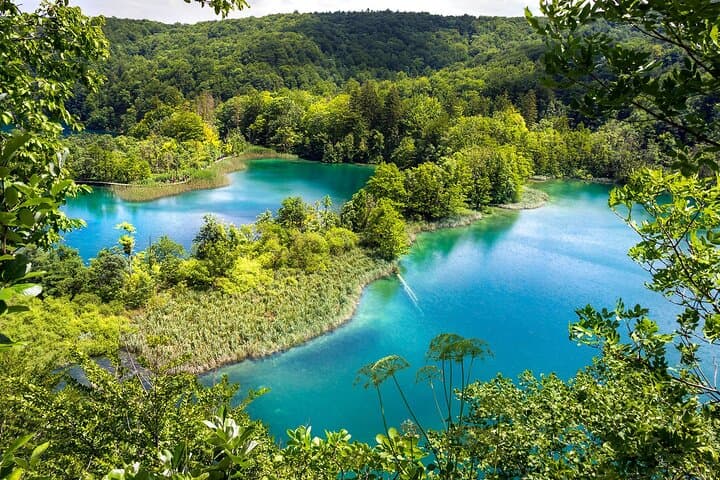
The bus slides away from Split’s marbled Riva and the coast recedes into a silver sliver on the horizon. Two hours later the road angles inland, and the air changes—salt gives way to resin and damp earth. When the forest opens you see it: tiers of water threaded through limestone, wooden boardwalks tracing the rim of turquoise pools. On this full-day guided trip you move through a living geological page—16 lakes linked by travertine barriers and waterfalls that continually build and reshape the park.
Verified experiences and guided adventures in the surrounding area.
Operated by Šugaman Tours · Plitvička Jezera, Lika-Senj County
The bus slides away from Split’s marbled Riva and the coast recedes into a silver sliver on the horizon. Two hours later the road angles inland, and the air changes—salt gives way to resin and damp earth. When the forest opens you see it: tiers of water threaded through limestone, wooden boardwalks tracing the rim of turquoise pools. On this full-day guided trip you move through a living geological page—16 lakes linked by travertine barriers and waterfalls that continually build and reshape the park.
Plitvice Lakes National Park is Croatia’s oldest national park, created in 1949 and long ago recognized by UNESCO for its rare karst formations and dynamic hydrology. The lakes sit in a pocket of the Dinaric Alps where soft limestone and persistent springs allow travertine—mineral deposits formed by flowing water—to accumulate, creating the natural dams that make the cascades. Cultural traces are lighter here than in coastal Dalmatia, but the region’s pastoral past lingers: shepherds’ paths, scattered stone houses, and the slow rhythm of mountain life.
Your guide will steer you through the Upper Lakes’ boardwalks where the water inches around old trunks and through reed beds, then down to the lower basin for a short sightseeing cruise across Kozjak Lake—the park’s deep, mirror-like spine. The itinerary targets Veliki Slap (Big Waterfall), where water thunders out of the canyon and the spray polishes the air. Along the way you’ll hear notes about local flora and the effort to protect an ecosystem that, paradoxically, is always changing.
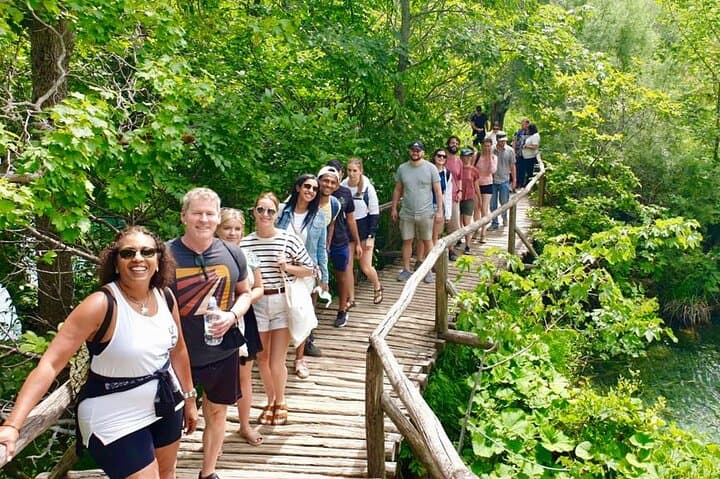
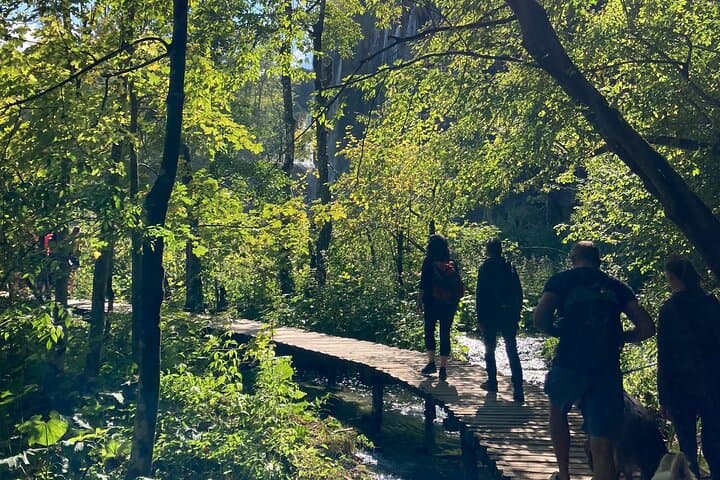
Practicalities matter here. The tour is long—about 12 hours door-to-door from Split—so plan for early pickup, variable weather, and lots of walking over wooden boardwalks and uneven stone steps. Park entry is arranged by the operator but paid on the day; bring cash and check seasonal ticket rates ahead of time. Wear sturdy shoes with good grip and carry layers: mornings at the lakes can be cool even in summer. Photography windows open early and late—golden light makes the travertine glow—but the middle of the day is best for reflections on Kozjak when the boats are quiet.
For travelers who want the highlights without logistics, this guided day trip is efficient: transport, time in the park, a guided route and a scenic boat crossing are all packaged into one long, satisfying day. You’ll leave with wet hair from waterfall mist, a head full of images of blue and green steps of water, and a clearer sense of how water, rock and time collaborate to shape landscapes few other places mimic.
moderate.
10–12 hours including transport.
Moderate fitness — expect several kilometers on uneven boardwalks and steps over several hours
No—the operator reserves and organizes group tickets, but park entry must be paid in cash at check-in; ticket rates vary by season.
Expect several kilometers on wooden boardwalks and stone paths with some elevation change; the tour requires a moderate level of fitness.
Yes—there are restroom stops and an optional lunch at a nearby traditional restaurant; plan for a brief seated meal or bring snacks to save time.
The tour departs from Split’s Riva promenade; some selected hotels offer pickup—confirm at booking and expect a notification the day before.
You can, but the guided tour handles transport, logistics and timed park reservations—useful during high season when tickets sell out.
Children are welcome but infants must sit on an adult’s lap; the operator advises at least moderate mobility and the tour isn’t recommended for those with walking disabilities.
Plitvice was established as Croatia’s first national park in 1949; its travertine barriers form from mineral-rich water slowly building natural dams over millennia.
High visitor numbers stress sensitive travertine and shoreline habitats—stick to marked paths, avoid touching formations and never swim in the lakes.
Šugaman Tours operates guided outdoor trips and adventures with an emphasis on safety, stewardship, and memorable experiences.
The bus slides away from Split’s marbled Riva and the coast recedes into a silver sliver on the horizon. Two hours later the road angles inland, and the air changes—salt gives way to resin and damp earth. When the forest opens you see it: tiers of water threaded through limestone, wooden boardwalks tracing the rim of turquoise pools. On this full-day guided trip you move through a living geological page—16 lakes linked by travertine barriers and waterfalls that continually build and reshape the park.
The bus slides away from Split’s marbled Riva and the coast recedes into a silver sliver on the horizon. Two hours later the road angles inland, and the air changes—salt gives way to resin and damp earth. When the forest opens you see it: tiers of water threaded through limestone, wooden boardwalks tracing the rim of turquoise pools. On this full-day guided trip you move through a living geological page—16 lakes linked by travertine barriers and waterfalls that continually build and reshape the park.
Plitvice Lakes National Park is Croatia’s oldest national park, created in 1949 and long ago recognized by UNESCO for its rare karst formations and dynamic hydrology. The lakes sit in a pocket of the Dinaric Alps where soft limestone and persistent springs allow travertine—mineral deposits formed by flowing water—to accumulate, creating the natural dams that make the cascades. Cultural traces are lighter here than in coastal Dalmatia, but the region’s pastoral past lingers: shepherds’ paths, scattered stone houses, and the slow rhythm of mountain life.
Your guide will steer you through the Upper Lakes’ boardwalks where the water inches around old trunks and through reed beds, then down to the lower basin for a short sightseeing cruise across Kozjak Lake—the park’s deep, mirror-like spine. The itinerary targets Veliki Slap (Big Waterfall), where water thunders out of the canyon and the spray polishes the air. Along the way you’ll hear notes about local flora and the effort to protect an ecosystem that, paradoxically, is always changing.
Practicalities matter here. The tour is long—about 12 hours door-to-door from Split—so plan for early pickup, variable weather, and lots of walking over wooden boardwalks and uneven stone steps. Park entry is arranged by the operator but paid on the day; bring cash and check seasonal ticket rates ahead of time. Wear sturdy shoes with good grip and carry layers: mornings at the lakes can be cool even in summer. Photography windows open early and late—golden light makes the travertine glow—but the middle of the day is best for reflections on Kozjak when the boats are quiet.
For travelers who want the highlights without logistics, this guided day trip is efficient: transport, time in the park, a guided route and a scenic boat crossing are all packaged into one long, satisfying day. You’ll leave with wet hair from waterfall mist, a head full of images of blue and green steps of water, and a clearer sense of how water, rock and time collaborate to shape landscapes few other places mimic.