THE ADVENTURE COLLECTIVE® · Independent discovery and booking for outdoor travel

Spend a day amid Plitvice’s turquoise lakes and cascading waterfalls on a private transfer from Zagreb to Split. This one-way tour pairs boardwalk walks, an electric boat crossing of Lake Kozjak, and a private vehicle for a seamless, full-day nature experience.
Spend a day amid Plitvice’s turquoise lakes and cascading waterfalls on a private transfer from Zagreb to Split. This one-way tour pairs boardwalk walks, an electric boat crossing of Lake Kozjak, and a private vehicle for a seamless, full-day nature experience.
You step off the van onto damp boardwalks and the air changes—crisper, threaded with limestone and pine. Water is the loudest thing here: cascades unspooling from ledges, little streams threading between the wooden paths, and Kozjak Lake laying flat and dark at the park’s heart. For four hours the world narrows to turquoise pools and curtains of falling water; later the private vehicle rolls toward the Adriatic and Split’s ancient streets.
Verified experiences and guided adventures in the surrounding area.
Operated by Get in Transfer · Plitvička Jezera, Lika-Senj County
You step off the van onto damp boardwalks and the air changes—crisper, threaded with limestone and pine. Water is the loudest thing here: cascades unspooling from ledges, little streams threading between the wooden paths, and Kozjak Lake laying flat and dark at the park’s heart. For four hours the world narrows to turquoise pools and curtains of falling water; later the private vehicle rolls toward the Adriatic and Split’s ancient streets.
Plitvice Lakes National Park is Croatia’s oldest and a UNESCO World Heritage Site, formed by centuries of karst chemistry where calcium carbonate builds the tufa dams that trap and channel water into sixteen interconnected lakes. The park’s geology reads like a slow engineer’s manual—barriers rise, lakes deepen, waterfalls carve new lines. Human history here is quieter: shepherds, seasonal hunters and later early tourism in the 19th century shaped the trails you walk today.
Culturally the area sits between Lika’s mountain villages and Dalmatia’s Mediterranean coast. On a private one-way transfer from Zagreb to Split you traverse that contrast—continental forests give way to coastal limestone as you travel south, offering a quick primer on Croatia’s ecological diversity.
Practical details matter on a day like this. The tour includes pickup in Zagreb and drop-off in Split, a private air-conditioned vehicle, a short panoramic train ride inside the park, and an electric boat crossing of Lake Kozjak. Expect roughly four hours inside the park—enough to follow the main wooden boardwalks, cross the boat, and view Veliki Slap, the 70-meter waterfall. The terrain is well-maintained but can be slippery when wet; boardwalks concentrate visitors, so mornings are quieter. Tickets for park admission are separate—bring printed or mobile confirmation and check seasonal quotas during high season.
For photographers and hikers: aim for early light when surfaces glow and reflections sharpen. Wear grippy footwear and a lightweight rain shell for sudden showers. Wildlife here is shy; you might glimpse roe deer at dusk or an otter slip between rocks, but keep distance and stay on marked paths—tufa formations are alive and erode if disturbed.
This private transfer tour compresses a lot into a single day: geology lessons at every turn, curated access to the park’s highlights, and a relaxed finish set against Split’s Roman-era harbor. It’s an efficient way to move between two Croatian cities while stepping into one of Europe’s most atmospheric freshwater landscapes.
easy.
8 hours (including transfer).
Suitable for average fitness—expect multiple short walks and stair sections but no technical climbing
The itinerary allows approximately four hours inside the park—enough to follow main boardwalk circuits, take the electric boat on Lake Kozjak, and see Veliki Slap.
Admission is not included; you must purchase Plitvice entry separately—book online in advance during high season.
Pickup is available in Zagreb (hotel or designated meeting points) and the drop-off is at an agreed location in Split.
The park’s paths are accessible for most ages, but there are stair sections; the supplier notes it’s not recommended for travelers with serious back or heart conditions.
No—swimming is prohibited to protect the fragile tufa formations and water quality.
You may spot roe deer, various bird species, and sometimes Eurasian otters; larger mammals like brown bears inhabit the region but sightings are rare.
Plitvice’s tufa dams formed over centuries of mineral deposition; the park became Croatia’s first national park in 1949 and earned UNESCO protection in 1979.
Tufa barriers are very sensitive—stay on boardwalks, avoid touching formations, and follow park rules to minimize erosion and pollution.
Get in Transfer operates guided outdoor trips and adventures with an emphasis on safety, stewardship, and memorable experiences.
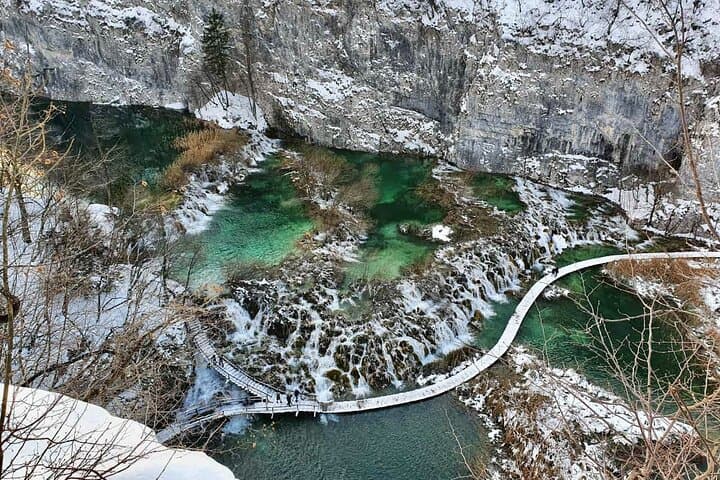
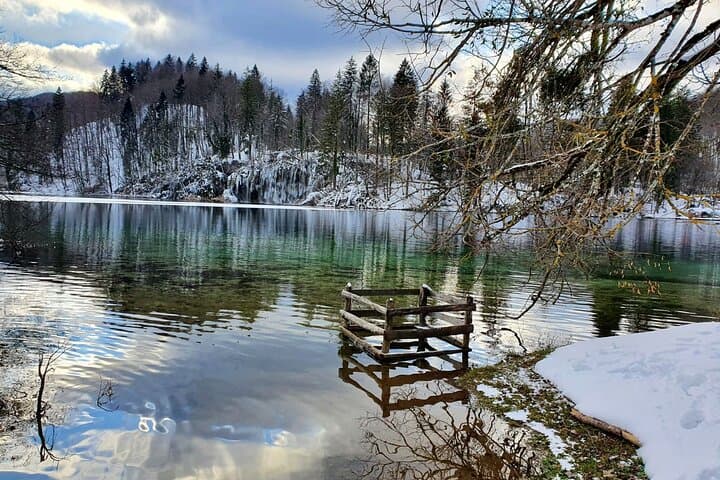
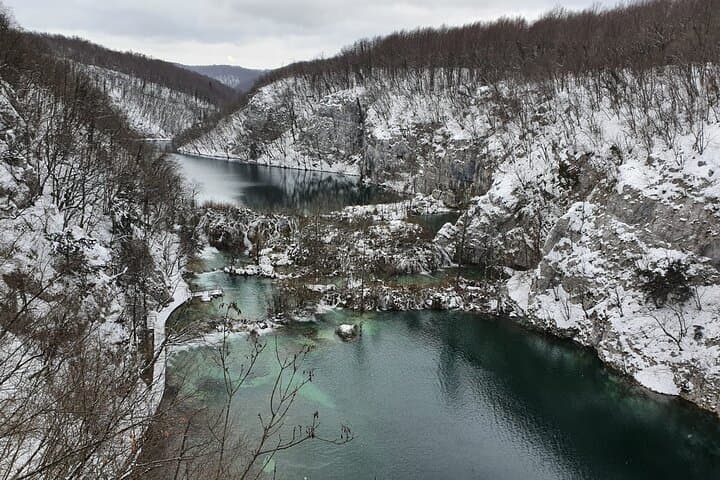
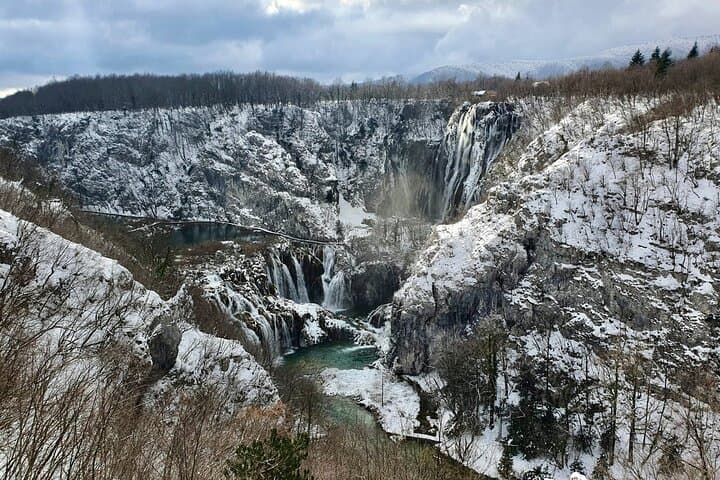
You step off the van onto damp boardwalks and the air changes—crisper, threaded with limestone and pine. Water is the loudest thing here: cascades unspooling from ledges, little streams threading between the wooden paths, and Kozjak Lake laying flat and dark at the park’s heart. For four hours the world narrows to turquoise pools and curtains of falling water; later the private vehicle rolls toward the Adriatic and Split’s ancient streets.
You step off the van onto damp boardwalks and the air changes—crisper, threaded with limestone and pine. Water is the loudest thing here: cascades unspooling from ledges, little streams threading between the wooden paths, and Kozjak Lake laying flat and dark at the park’s heart. For four hours the world narrows to turquoise pools and curtains of falling water; later the private vehicle rolls toward the Adriatic and Split’s ancient streets.
Plitvice Lakes National Park is Croatia’s oldest and a UNESCO World Heritage Site, formed by centuries of karst chemistry where calcium carbonate builds the tufa dams that trap and channel water into sixteen interconnected lakes. The park’s geology reads like a slow engineer’s manual—barriers rise, lakes deepen, waterfalls carve new lines. Human history here is quieter: shepherds, seasonal hunters and later early tourism in the 19th century shaped the trails you walk today.
Culturally the area sits between Lika’s mountain villages and Dalmatia’s Mediterranean coast. On a private one-way transfer from Zagreb to Split you traverse that contrast—continental forests give way to coastal limestone as you travel south, offering a quick primer on Croatia’s ecological diversity.
Practical details matter on a day like this. The tour includes pickup in Zagreb and drop-off in Split, a private air-conditioned vehicle, a short panoramic train ride inside the park, and an electric boat crossing of Lake Kozjak. Expect roughly four hours inside the park—enough to follow the main wooden boardwalks, cross the boat, and view Veliki Slap, the 70-meter waterfall. The terrain is well-maintained but can be slippery when wet; boardwalks concentrate visitors, so mornings are quieter. Tickets for park admission are separate—bring printed or mobile confirmation and check seasonal quotas during high season.
For photographers and hikers: aim for early light when surfaces glow and reflections sharpen. Wear grippy footwear and a lightweight rain shell for sudden showers. Wildlife here is shy; you might glimpse roe deer at dusk or an otter slip between rocks, but keep distance and stay on marked paths—tufa formations are alive and erode if disturbed.
This private transfer tour compresses a lot into a single day: geology lessons at every turn, curated access to the park’s highlights, and a relaxed finish set against Split’s Roman-era harbor. It’s an efficient way to move between two Croatian cities while stepping into one of Europe’s most atmospheric freshwater landscapes.