THE ADVENTURE COLLECTIVE® · Independent discovery and booking for outdoor travel

Beat the crowds on a full-day guided trip from Split or Trogir to Croatia’s Plitvice Lakes—entry ticket included. Walk boardwalks across turquoise lakes, ride the Kozjak boat, and learn the geology and folklore that shape this UNESCO site.
Beat the crowds on a full-day guided trip from Split or Trogir to Croatia’s Plitvice Lakes—entry ticket included. Walk boardwalks across turquoise lakes, ride the Kozjak boat, and learn the geology and folklore that shape this UNESCO site.
Before the bus clears the last clifftop villages, the air changes: pine resin, cold limestone, and a hint of spray carried from a waterfall you haven’t yet seen. By the time the van pulls into the park’s lot, the boardwalks run like pale ribbons across a chain of turquoise lakes, and the first thin light catches the travertine terraces so that they glow almost artificial.
Verified experiences and guided adventures in the surrounding area.
Operated by Tours in Croatia · Plitvička Jezera, Lika-Senj County
Before the bus clears the last clifftop villages, the air changes: pine resin, cold limestone, and a hint of spray carried from a waterfall you haven’t yet seen. By the time the van pulls into the park’s lot, the boardwalks run like pale ribbons across a chain of turquoise lakes, and the first thin light catches the travertine terraces so that they glow almost artificial.
Plitvice Lakes National Park is Croatia’s most visited natural landmark and a UNESCO World Heritage site for good reason. The park’s 16 lakes—separated by constantly forming travertine barriers—sit in a karstic landscape carved from limestone and dolomite. Over millennia, mineral-rich waters have deposited calcium carbonate to build the dams and cascades you walk over today. Historically the area sat on old trade routes between the Adriatic and inland valleys; villages around the park still preserve traditional stone houses and shepherding culture.
A guided day tour from Split or Trogir compresses that deep history into a single, accessible experience. The itinerary typically covers both the Upper (Gornja Jezera) and Lower Lakes (Donja Jezera), includes the Kozjak boat crossing, and stops at viewpoints such as Veliki Slap—the park’s largest waterfall. Guides stitch in geology and folklore as you move: why travertine forms faster where moss holds, or how seasonal flows rearrange trails.
Practicalities matter here: the organized pick-up from Split or Trogir and the included entrance ticket remove the biggest friction points for independent travelers—parking and ticket availability. Expect roughly 5 km of walking on uneven boardwalks and forest trails with light elevation change; the full excursion runs most of the day (about 10–12 hours round-trip from Split). Wear grippy shoes and dress in layers—the shade under old beech canopy can be chilly even on warm days.
Timing is everything. Morning departures aim to place you on quieter paths before the bulk of tour groups arrive; late afternoon brings richer light for photographs and softer crowds. Keep to the trails—Plitvice enforces strict conservation rules to protect the fragile travertine and local wildlife. Bring water, a rain layer, and modest camera gear: tripods are fine on quieter stretches but can be awkward on narrow boardwalks.
For anyone with a moderate level of fitness and curiosity about how landscapes build themselves, this day tour is an efficient, illuminating way to see one of Europe’s most dynamic freshwater systems without the organization headaches. It’s part natural laboratory, part scenic stage—where limestone insists on rearranging its own scenery every season.
moderate.
10–12 hours.
Moderate fitness required—able to walk ~5 km on uneven boardwalks and handle light elevation changes.
Yes—the tour fee includes the national park entrance ticket, which guarantees park access without waiting in the public ticket line.
Expect approximately 5 km of walking on uneven boardwalks and forest paths; the tour is rated for travelers with moderate fitness.
Lunch is not included; most tours stop at a park-area restaurant where you can buy food or bring a packed meal.
Yes, but children must be accompanied by an adult and infants should sit on laps during transport; the walking can be tiring for very young kids.
No—pets are not permitted inside the national park or on this tour.
The tour operates in most weather but some park sections may be restricted in extreme conditions; cancelations follow the provider’s policy with full refund if made 24 hours prior.
Plitvice’s travertine dams and terraces formed over millennia; the park area later marked regional travel routes and retains rural traditions in nearby villages.
The park enforces strict rules—stay on designated paths, no swimming or drone use—and visitor numbers are managed to protect fragile travertine formations.
Tours in Croatia operates guided outdoor trips and adventures with an emphasis on safety, stewardship, and memorable experiences.
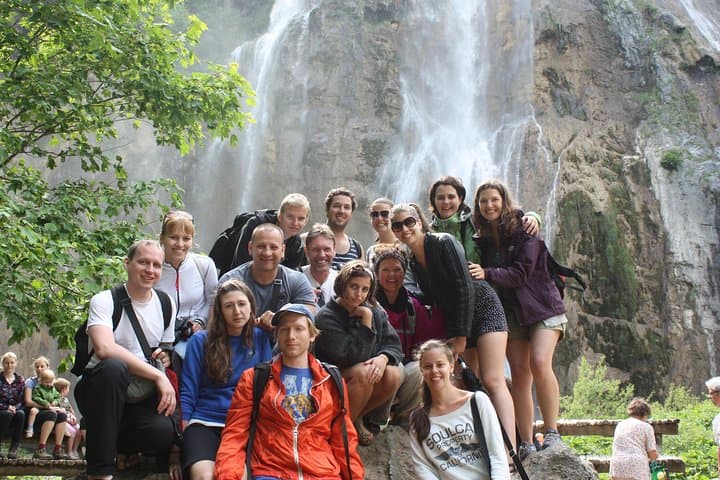
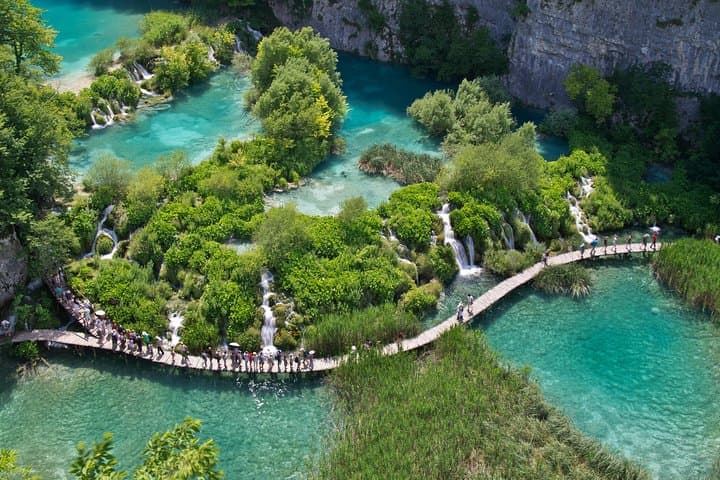
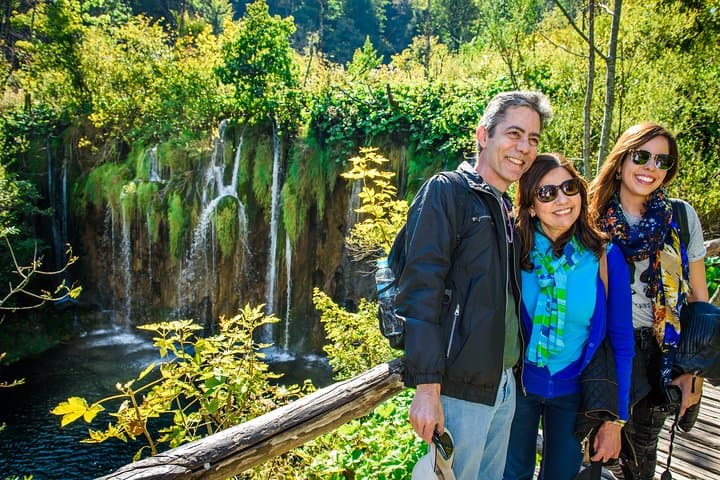
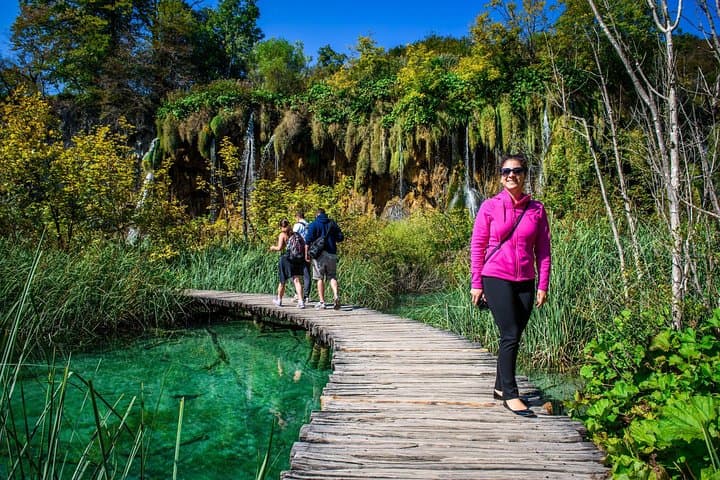
Before the bus clears the last clifftop villages, the air changes: pine resin, cold limestone, and a hint of spray carried from a waterfall you haven’t yet seen. By the time the van pulls into the park’s lot, the boardwalks run like pale ribbons across a chain of turquoise lakes, and the first thin light catches the travertine terraces so that they glow almost artificial.
Before the bus clears the last clifftop villages, the air changes: pine resin, cold limestone, and a hint of spray carried from a waterfall you haven’t yet seen. By the time the van pulls into the park’s lot, the boardwalks run like pale ribbons across a chain of turquoise lakes, and the first thin light catches the travertine terraces so that they glow almost artificial.
Plitvice Lakes National Park is Croatia’s most visited natural landmark and a UNESCO World Heritage site for good reason. The park’s 16 lakes—separated by constantly forming travertine barriers—sit in a karstic landscape carved from limestone and dolomite. Over millennia, mineral-rich waters have deposited calcium carbonate to build the dams and cascades you walk over today. Historically the area sat on old trade routes between the Adriatic and inland valleys; villages around the park still preserve traditional stone houses and shepherding culture.
A guided day tour from Split or Trogir compresses that deep history into a single, accessible experience. The itinerary typically covers both the Upper (Gornja Jezera) and Lower Lakes (Donja Jezera), includes the Kozjak boat crossing, and stops at viewpoints such as Veliki Slap—the park’s largest waterfall. Guides stitch in geology and folklore as you move: why travertine forms faster where moss holds, or how seasonal flows rearrange trails.
Practicalities matter here: the organized pick-up from Split or Trogir and the included entrance ticket remove the biggest friction points for independent travelers—parking and ticket availability. Expect roughly 5 km of walking on uneven boardwalks and forest trails with light elevation change; the full excursion runs most of the day (about 10–12 hours round-trip from Split). Wear grippy shoes and dress in layers—the shade under old beech canopy can be chilly even on warm days.
Timing is everything. Morning departures aim to place you on quieter paths before the bulk of tour groups arrive; late afternoon brings richer light for photographs and softer crowds. Keep to the trails—Plitvice enforces strict conservation rules to protect the fragile travertine and local wildlife. Bring water, a rain layer, and modest camera gear: tripods are fine on quieter stretches but can be awkward on narrow boardwalks.
For anyone with a moderate level of fitness and curiosity about how landscapes build themselves, this day tour is an efficient, illuminating way to see one of Europe’s most dynamic freshwater systems without the organization headaches. It’s part natural laboratory, part scenic stage—where limestone insists on rearranging its own scenery every season.