THE ADVENTURE COLLECTIVE® · Independent discovery and booking for outdoor travel

Head out from Zagreb for an afternoon that pairs the mill-lined charm of Rastoke with a quieter walk through Plitvice Lakes National Park. This small-group trip times the visit for late-afternoon light and fewer crowds — a practical, scenic way to see Croatia’s famed waterfalls.
Head out from Zagreb for an afternoon that pairs the mill-lined charm of Rastoke with a quieter walk through Plitvice Lakes National Park. This small-group trip times the visit for late-afternoon light and fewer crowds — a practical, scenic way to see Croatia’s famed waterfalls.
You arrive mid-afternoon as the light slants through beech and fir, turning the limestone barriers of the park a soft honey. Wooden boardwalks thread over aquamarine pools that ripple toward curtains of falling water; the air smells of wet stone and evergreen. This small-group afternoon tour from Zagreb times the visit for quieter hours — you’ll pass under the largest cascade with far fewer people around, and the tempo of the place slows so you can hear the water daring you to get closer.
Verified experiences and guided adventures in the surrounding area.
Operated by Budget Transfer Croatia · Plitvička Jezera, Lika-Senj County
You arrive mid-afternoon as the light slants through beech and fir, turning the limestone barriers of the park a soft honey. Wooden boardwalks thread over aquamarine pools that ripple toward curtains of falling water; the air smells of wet stone and evergreen. This small-group afternoon tour from Zagreb times the visit for quieter hours — you’ll pass under the largest cascade with far fewer people around, and the tempo of the place slows so you can hear the water daring you to get closer.
The journey begins with a detour to Rastoke, a village where rushing streams power old wooden mills and rivers cut clean channels through carved rock. Rastoke’s millhouses, some dating back centuries, show how people harnessed the karst landscape long before the park’s protection. Plitvice itself is the product of living geology: travertine, calcium carbonate, precipitates and builds natural dams that create the tiered lakes and falls. That process, ongoing and delicate, is why UNESCO listed the park and why visitors must stay on designated paths to avoid damaging the formations.
Culturally, this is a region of frontier history — Ottoman raids, Habsburg administration and rural crafts shaped the villages you pass. Local restaurants serve simple plates — trout, stews, and seasonal produce — and a quick lunch in Rastoke is a good chance to taste the local palate before the walk.
Practicalities matter: the tour departs Zagreb late morning and returns around 8 p.m., with about two hours inside Plitvice and roughly 90 minutes in Rastoke. Expect 3–5 km of walking on mostly flat wooden walkways and forest trails, punctuated by stair sections and viewpoints; cumulative elevation gain is modest (around 100 m), but the surfaces can be wet and slippery.
Bring sturdy, waterproof shoes, a light rain shell and a refillable water bottle. The small-group size (max eight) keeps the pace measured, but the afternoon visit compresses time—move deliberately at viewpoints to get the best photos and let others pass. Tickets are included, and the guide walks the main loops, pointing out geologic processes and best outlooks.
Timing tips: late autumn and spring show dramatic water flow on the falls; summer gives lush green canopies but also the most visitors earlier in the day. Winter can close boardwalks but paints the park in rime and quiet. Above all, treat the travertine like living architecture: stay on the boards, leave no trace, and you’ll leave having seen one of Europe’s most unusual water landscapes at its most approachable.
moderate.
10 hours (approx.).
Suitable for travelers with a moderate level of fitness who can walk 3–5 km on uneven, wet surfaces and climb short stair sections.
Yes — the tour includes Plitvice Lakes entrance tickets, so you won’t need to queue at the park gate.
Typical meeting points are the bus station in front of the main train station fountain and Zrinjevac Square; exact details are confirmed on reconfirmation.
The itinerary notes stroller access for infants and small children on some sections, but boardwalks and stairs may limit ease of movement—bring a carrier for rougher stretches.
Yes — the itinerary includes a stop in Rastoke for sightseeing and lunch before heading to Plitvice.
All sales are final for this product; cancellations are non-refundable and the operator requires a minimum of two people for departure.
Some pickups may be offered and are typically reconfirmed 24–48 hours before departure; otherwise use the central meet points listed on your voucher.
Rastoke’s mills and channels show centuries of human use of the karst waters; Plitvice’s travertine dams have been forming continuously for thousands of years, creating the tiered lakes.
Plitvice is a protected national park and UNESCO site; visitors must stay on boardwalks to protect fragile travertine formations and avoid introducing pollutants to the water.
Budget Transfer Croatia operates guided outdoor trips and adventures with an emphasis on safety, stewardship, and memorable experiences.
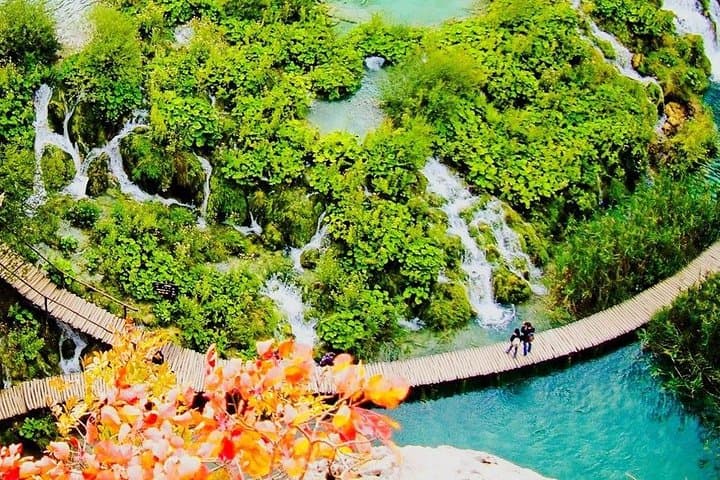
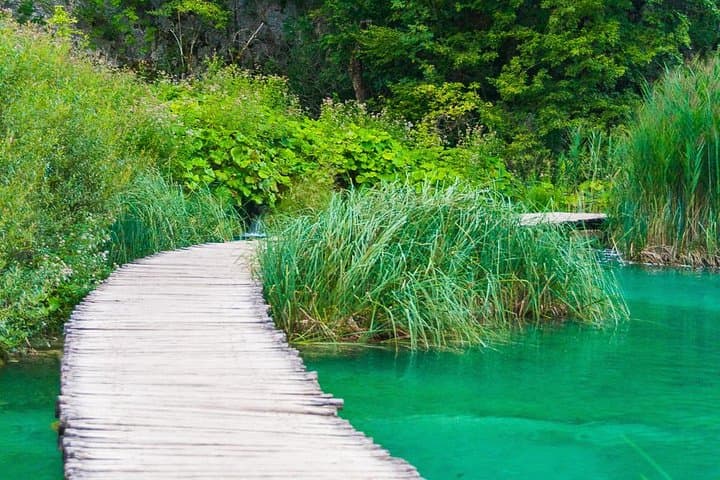
You arrive mid-afternoon as the light slants through beech and fir, turning the limestone barriers of the park a soft honey. Wooden boardwalks thread over aquamarine pools that ripple toward curtains of falling water; the air smells of wet stone and evergreen. This small-group afternoon tour from Zagreb times the visit for quieter hours — you’ll pass under the largest cascade with far fewer people around, and the tempo of the place slows so you can hear the water daring you to get closer.
You arrive mid-afternoon as the light slants through beech and fir, turning the limestone barriers of the park a soft honey. Wooden boardwalks thread over aquamarine pools that ripple toward curtains of falling water; the air smells of wet stone and evergreen. This small-group afternoon tour from Zagreb times the visit for quieter hours — you’ll pass under the largest cascade with far fewer people around, and the tempo of the place slows so you can hear the water daring you to get closer.
The journey begins with a detour to Rastoke, a village where rushing streams power old wooden mills and rivers cut clean channels through carved rock. Rastoke’s millhouses, some dating back centuries, show how people harnessed the karst landscape long before the park’s protection. Plitvice itself is the product of living geology: travertine, calcium carbonate, precipitates and builds natural dams that create the tiered lakes and falls. That process, ongoing and delicate, is why UNESCO listed the park and why visitors must stay on designated paths to avoid damaging the formations.
Culturally, this is a region of frontier history — Ottoman raids, Habsburg administration and rural crafts shaped the villages you pass. Local restaurants serve simple plates — trout, stews, and seasonal produce — and a quick lunch in Rastoke is a good chance to taste the local palate before the walk.
Practicalities matter: the tour departs Zagreb late morning and returns around 8 p.m., with about two hours inside Plitvice and roughly 90 minutes in Rastoke. Expect 3–5 km of walking on mostly flat wooden walkways and forest trails, punctuated by stair sections and viewpoints; cumulative elevation gain is modest (around 100 m), but the surfaces can be wet and slippery.
Bring sturdy, waterproof shoes, a light rain shell and a refillable water bottle. The small-group size (max eight) keeps the pace measured, but the afternoon visit compresses time—move deliberately at viewpoints to get the best photos and let others pass. Tickets are included, and the guide walks the main loops, pointing out geologic processes and best outlooks.
Timing tips: late autumn and spring show dramatic water flow on the falls; summer gives lush green canopies but also the most visitors earlier in the day. Winter can close boardwalks but paints the park in rime and quiet. Above all, treat the travertine like living architecture: stay on the boards, leave no trace, and you’ll leave having seen one of Europe’s most unusual water landscapes at its most approachable.