THE ADVENTURE COLLECTIVE® · Independent discovery and booking for outdoor travel

Join a three-hour community badminton session in Osaka or Kyoto to play friendly doubles with locals and expats. Rackets and shuttlecocks are provided; all levels welcome.
Join a three-hour community badminton session in Osaka or Kyoto to play friendly doubles with locals and expats. Rackets and shuttlecocks are provided; all levels welcome.
You step off the train in Namba, the city’s pulse still buzzing, and in thirty minutes you’re inside a bright gym where shuttlecocks arc like small satellites over the net. The sound is immediate: rubber soles tapping, rackets meeting plastic, friendly shouts in Japanese and English. For three hours a mixed crowd—students, expats, office workers—rotates through doubles matches and quick drills led by local organizers.
Verified experiences and guided adventures in the surrounding area.
Operated by omoroi life · Osaka, Osaka Prefecture
You step off the train in Namba, the city’s pulse still buzzing, and in thirty minutes you’re inside a bright gym where shuttlecocks arc like small satellites over the net. The sound is immediate: rubber soles tapping, rackets meeting plastic, friendly shouts in Japanese and English. For three hours a mixed crowd—students, expats, office workers—rotates through doubles matches and quick drills led by local organizers.
Badminton arrived in Japan in the early 20th century and has since evolved from school sport to a community ritual; clubs and gym rentals are common across Osaka and Kyoto. The courts here sit within post-war concrete blocks and modern sports halls, where efficient design trumps fanfare. Culture matters: punctuality, compact gear, and polite exchanges before and after play keep sessions running smoothly.
Expect even-paced drills, instructor tips for footwork and shot selection, and friendly doubles at every level. Facilities typically include lockers, showers, and water fountains; rackets and Yonex plastic shuttlecocks are provided, though many players bring their own. Plan for indoor-court conditions—fast surfaces, bright lighting, and strong smells of rubber and sport.
Practical guidance: arrive 10–15 minutes early to register and warm up, wear non-marking indoor shoes, and carry a refillable water bottle. If you have back or heart concerns, consult a doctor—organizers flag sessions as not suitable for those conditions. Public transport drops you within a short walk, and the social payoff is high: this is as much about meeting locals as it is about training your drive.
moderate.
3 hours.
Suitable for most fitness levels but expect intermittent high-intensity rallies—basic agility and knee health recommended
No; sessions welcome all levels and organizers or other players can offer tips and basic coaching.
Yes—Yonex plastic shuttlecocks and rackets are supplied, though many players bring their own rackets.
Full refund available if you cancel at least 24 hours before the scheduled start; no refund within 24 hours.
Public transportation is the recommended option; some venues may have limited paid parking but it’s not guaranteed.
Badminton gained popularity in Japanese schools and company clubs during the 20th century, spawning strong local club networks in Osaka and Kyoto.
Use public transit and refillable bottles to reduce footprint; treat shared facilities respectfully and follow venue recycling and waste rules.
omoroi life operates guided outdoor trips and adventures with an emphasis on safety, stewardship, and memorable experiences.
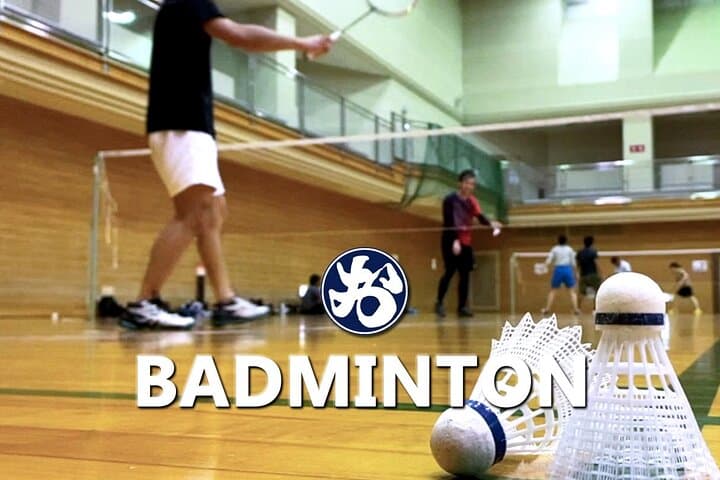
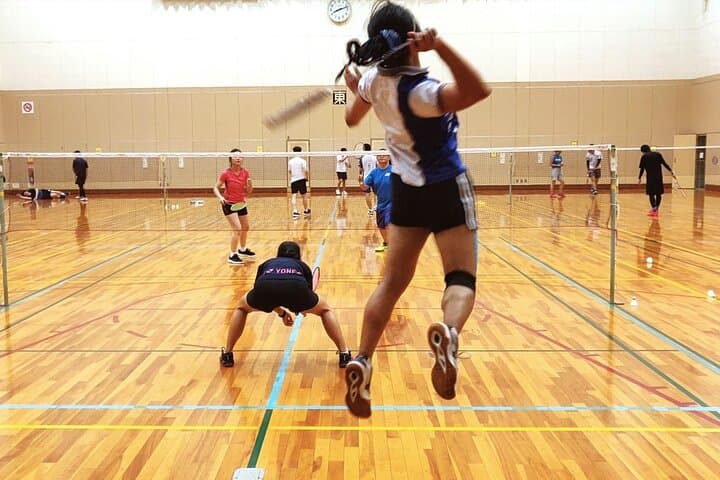
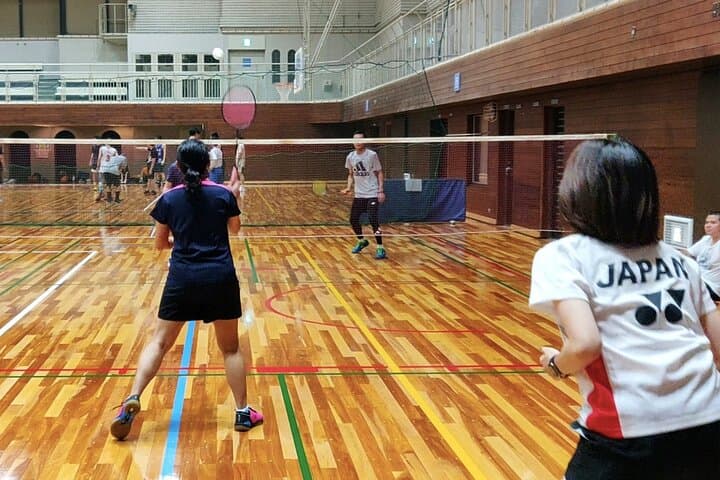
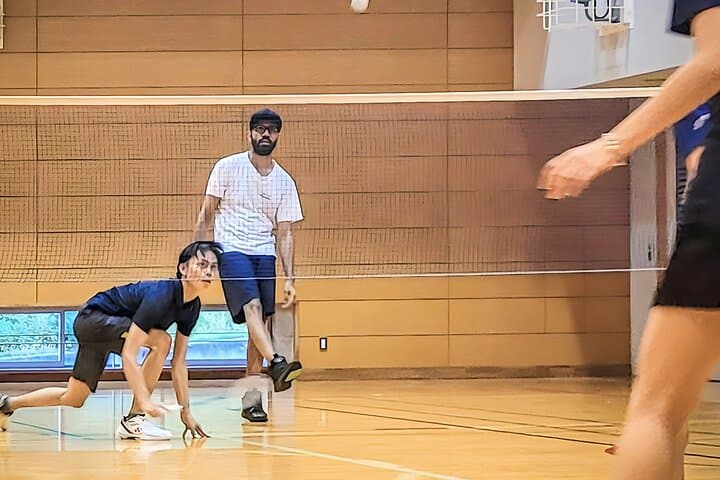
You step off the train in Namba, the city’s pulse still buzzing, and in thirty minutes you’re inside a bright gym where shuttlecocks arc like small satellites over the net. The sound is immediate: rubber soles tapping, rackets meeting plastic, friendly shouts in Japanese and English. For three hours a mixed crowd—students, expats, office workers—rotates through doubles matches and quick drills led by local organizers.
You step off the train in Namba, the city’s pulse still buzzing, and in thirty minutes you’re inside a bright gym where shuttlecocks arc like small satellites over the net. The sound is immediate: rubber soles tapping, rackets meeting plastic, friendly shouts in Japanese and English. For three hours a mixed crowd—students, expats, office workers—rotates through doubles matches and quick drills led by local organizers.
Badminton arrived in Japan in the early 20th century and has since evolved from school sport to a community ritual; clubs and gym rentals are common across Osaka and Kyoto. The courts here sit within post-war concrete blocks and modern sports halls, where efficient design trumps fanfare. Culture matters: punctuality, compact gear, and polite exchanges before and after play keep sessions running smoothly.
Expect even-paced drills, instructor tips for footwork and shot selection, and friendly doubles at every level. Facilities typically include lockers, showers, and water fountains; rackets and Yonex plastic shuttlecocks are provided, though many players bring their own. Plan for indoor-court conditions—fast surfaces, bright lighting, and strong smells of rubber and sport.
Practical guidance: arrive 10–15 minutes early to register and warm up, wear non-marking indoor shoes, and carry a refillable water bottle. If you have back or heart concerns, consult a doctor—organizers flag sessions as not suitable for those conditions. Public transport drops you within a short walk, and the social payoff is high: this is as much about meeting locals as it is about training your drive.