THE ADVENTURE COLLECTIVE® · Independent discovery and booking for outdoor travel

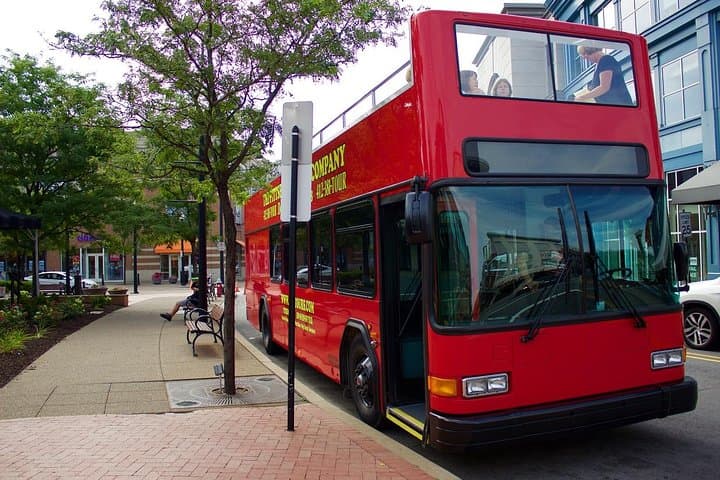
Ride an open-top double-decker for a 2-hour loop through Pittsburgh’s rivers, bridges, and neighborhoods. Live narration, accessible seating, and a practical preview of where to stop next—great for first-time visitors who want context and photos without the walking.
Ride an open-top double-decker for a 2-hour loop through Pittsburgh’s rivers, bridges, and neighborhoods. Live narration, accessible seating, and a practical preview of where to stop next—great for first-time visitors who want context and photos without the walking.
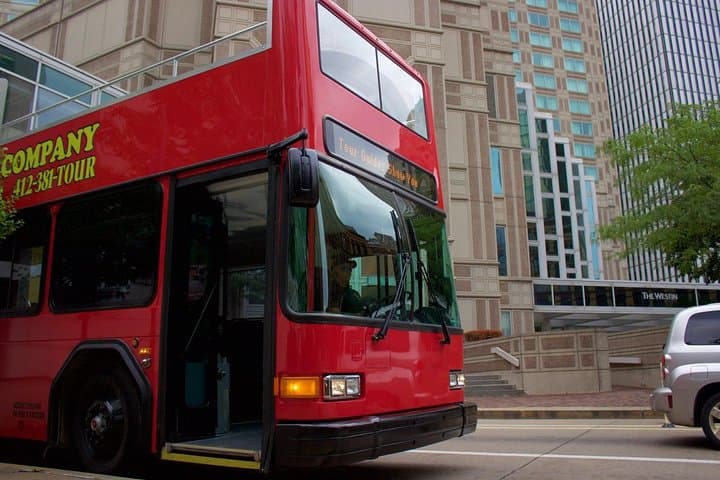
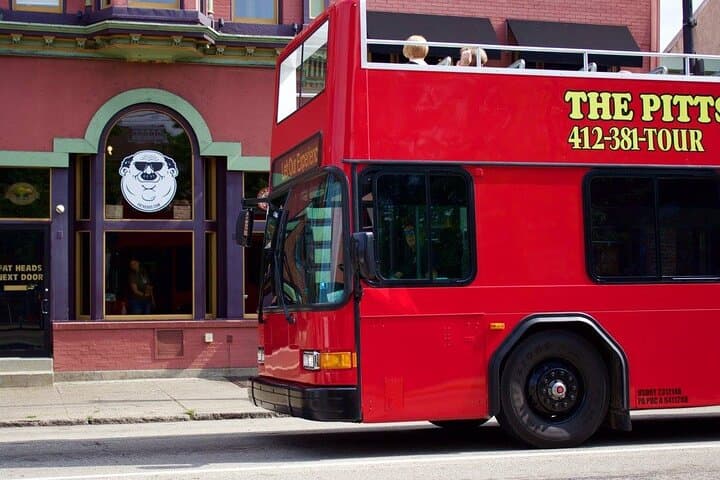
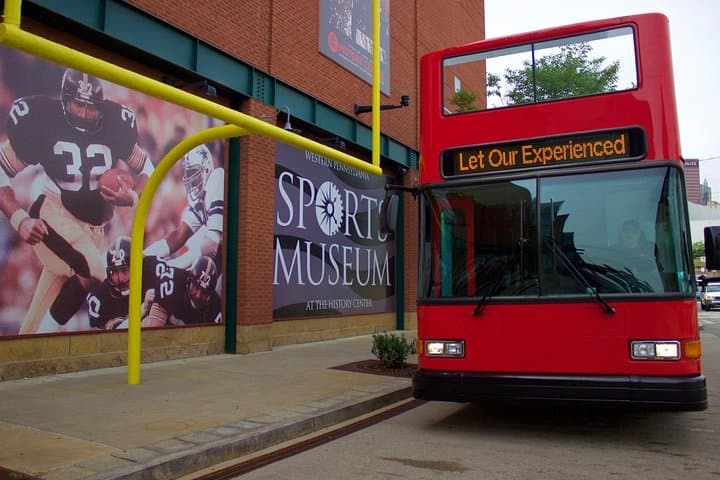
The bus hums to life beneath an open sky, and the city rearranges itself outside the double-decker’s front axle: brick facades slide into steel bridges, river curves fold into green ramps, and the skyline tightens like a scene being focused. From the top deck the smells of coffee from the Strip District drift up, and the three rivers—Allegheny, Monongahela, and Ohio—glint like ribbons daring you to follow them.
Verified experiences and guided adventures in the surrounding area.
Operated by The Pittsburgh Tour Company · Pittsburgh, Pennsylvania
The bus hums to life beneath an open sky, and the city rearranges itself outside the double-decker’s front axle: brick facades slide into steel bridges, river curves fold into green ramps, and the skyline tightens like a scene being focused. From the top deck the smells of coffee from the Strip District drift up, and the three rivers—Allegheny, Monongahela, and Ohio—glint like ribbons daring you to follow them.
This two-hour loop is as much a primer in Pittsburgh history as it is a scenic ride. Once the backbone of American steel, the city still shows its industrial bones in the glass-clad remains of former factories and Andrew Carnegie’s philanthropic landmarks. The trip threads through neighborhoods with distinct personalities: the grit and eateries of the Southside, the college energy of Oakland, the cultural beat of the Cultural District, and the riverfront calm of the North Shore. Between live narration and skyline pivots, riders learn where the inclines still climb, where Mr. Rogers once walked, and why the city’s bridges—more than 400 if you count them—matter to the local identity.
Geology here is quiet but present. Pittsburgh sits where rivers have eroded rolling Allegheny Plateau sandstone into the low valleys that define its street grid and riverwalks. The bus route uses those arteries, following water and rail corridors that shaped settlement and industry. Cultural footnotes arrive in the narration: the Heinz legacy, the baseball and hockey arenas, and small, enduring rituals—like grabbing a Primanti’s sandwich stacked with fries—that give travelers quick, tasty context.
Practicalities are straightforward. The tour is wheelchair and stroller accessible, runs on a fixed 2 hour 15 minute schedule, and uses open-top seating up top with climate control below. Guides point out landmarks but the bus doesn’t stop for long; treat it as a moving overview and plan separate time if you want to walk the Strip District or climb Mount Washington’s overlook afterward.
Insider timing helps: sit up top on a clear morning for the best light on the bridges, and choose midweek departures to avoid peak crowds. Bring a jacket—the river wind can cut through layers—and a small camera with strap; the bus is moving and hands free when you’re holding onto the rail.
For travelers who want a fast, contextual orientation to Pittsburgh, this double-decker circuit is a practical, scenic primer—equal parts architecture tour, local history lesson, and roadmap to the neighborhoods you’ll want to return to on foot.
easy.
2–2.5 hours.
Suitable for all fitness levels; mostly seated but requires short walks to/from stops and holding steady on the upper deck.
The tour departs from the company’s storefront start point—arrive 15 minutes early to pick up tickets and board; it returns to the same location at loop’s end.
Yes; the tour and lower deck are wheelchair accessible—notify the operator at booking of any special requirements.
The itinerary is a continuous loop with limited stop time; if you wish to disembark, call ahead to confirm availability and reboarding options.
There are no restrooms on the bus; plan accordingly before boarding or use facilities at nearby storefronts and attractions.
Tours may be canceled for severe weather; the operator has a 24-hour cancellation policy for refunds—check confirmation details at booking.
Small, non-odorous snacks and bottled water are allowed; avoid messy or strong-smelling foods that can disturb other passengers.
Pittsburgh grew from river confluence to steel capital; its fortunes were shaped by factories, the Jacksonian-era river trade, and 19th–20th century industrialists like Andrew Carnegie.
River cleanup and urban greening over recent decades have shifted the city from industrial runoff to recreational riverfronts; stay on designated paths and avoid littering to support those efforts.
The Pittsburgh Tour Company operates guided outdoor trips and adventures with an emphasis on safety, stewardship, and memorable experiences.
The bus hums to life beneath an open sky, and the city rearranges itself outside the double-decker’s front axle: brick facades slide into steel bridges, river curves fold into green ramps, and the skyline tightens like a scene being focused. From the top deck the smells of coffee from the Strip District drift up, and the three rivers—Allegheny, Monongahela, and Ohio—glint like ribbons daring you to follow them.
The bus hums to life beneath an open sky, and the city rearranges itself outside the double-decker’s front axle: brick facades slide into steel bridges, river curves fold into green ramps, and the skyline tightens like a scene being focused. From the top deck the smells of coffee from the Strip District drift up, and the three rivers—Allegheny, Monongahela, and Ohio—glint like ribbons daring you to follow them.
This two-hour loop is as much a primer in Pittsburgh history as it is a scenic ride. Once the backbone of American steel, the city still shows its industrial bones in the glass-clad remains of former factories and Andrew Carnegie’s philanthropic landmarks. The trip threads through neighborhoods with distinct personalities: the grit and eateries of the Southside, the college energy of Oakland, the cultural beat of the Cultural District, and the riverfront calm of the North Shore. Between live narration and skyline pivots, riders learn where the inclines still climb, where Mr. Rogers once walked, and why the city’s bridges—more than 400 if you count them—matter to the local identity.
Geology here is quiet but present. Pittsburgh sits where rivers have eroded rolling Allegheny Plateau sandstone into the low valleys that define its street grid and riverwalks. The bus route uses those arteries, following water and rail corridors that shaped settlement and industry. Cultural footnotes arrive in the narration: the Heinz legacy, the baseball and hockey arenas, and small, enduring rituals—like grabbing a Primanti’s sandwich stacked with fries—that give travelers quick, tasty context.
Practicalities are straightforward. The tour is wheelchair and stroller accessible, runs on a fixed 2 hour 15 minute schedule, and uses open-top seating up top with climate control below. Guides point out landmarks but the bus doesn’t stop for long; treat it as a moving overview and plan separate time if you want to walk the Strip District or climb Mount Washington’s overlook afterward.
Insider timing helps: sit up top on a clear morning for the best light on the bridges, and choose midweek departures to avoid peak crowds. Bring a jacket—the river wind can cut through layers—and a small camera with strap; the bus is moving and hands free when you’re holding onto the rail.
For travelers who want a fast, contextual orientation to Pittsburgh, this double-decker circuit is a practical, scenic primer—equal parts architecture tour, local history lesson, and roadmap to the neighborhoods you’ll want to return to on foot.