THE ADVENTURE COLLECTIVE® · Independent discovery and booking for outdoor travel

A private full‑day tour from Siem Reap to Phnom Kulen combines rural village visits, the reclining Buddha, the River of a Thousand Lingas, and the Kulen Waterfall. Ideal for travelers who want a flexible, guided exploration away from the temple crowds.
A private full‑day tour from Siem Reap to Phnom Kulen combines rural village visits, the reclining Buddha, the River of a Thousand Lingas, and the Kulen Waterfall. Ideal for travelers who want a flexible, guided exploration away from the temple crowds.
You step out of an air‑conditioned van onto a patch of red earth and immediate humidity—the mountain draws you in with the scent of wet limestone and palm sugar smoke. Ahead, the track drops toward the waterfall; to one side, a river bed hosts neat rows of carved lingas that have kept their silence for more than a millennium. The day on Phnom Kulen moves in chapters: a slow village stop where palm cake is made over open flame, a climb to the reclining Buddha cut from sandstone, a walk beside the carved river, and finally the broad, tumbling Kulen falls where swimmers and local families share shallow pools.
Verified experiences and guided adventures in the surrounding area.
Operated by Wadi Rum Fire Camp · Siem Reap, Siem Reap Province
You step out of an air‑conditioned van onto a patch of red earth and immediate humidity—the mountain draws you in with the scent of wet limestone and palm sugar smoke. Ahead, the track drops toward the waterfall; to one side, a river bed hosts neat rows of carved lingas that have kept their silence for more than a millennium. The day on Phnom Kulen moves in chapters: a slow village stop where palm cake is made over open flame, a climb to the reclining Buddha cut from sandstone, a walk beside the carved river, and finally the broad, tumbling Kulen falls where swimmers and local families share shallow pools.
Phnom Kulen is credited as the cradle of the Angkor kingdom and contains stonework from around 800 AD; the Thousand Lingas are a rare example of riverbed reliefs carved for Shiva worship. Geologically the mountain is an uplifted sandstone plateau whose streams have cut clear channels and created the cliff overlooks that frame the canyon below. Local culture remains visible—pagodas, roadside vendors, and rice paddies on the lower slopes.
Plan for variable footing: expect concrete steps at temples, slippery rocks near the falls, and short dirt tracks between sites. Entry fees are collected at park access; the private tour includes pickup from Siem Reap and a bilingual guide option. Bring swimwear, sun protection, insect repellent, and modest clothing for sacred sites. Schedule mornings to beat the heat and crowds; allow a full day (about eight hours) when you include travel time from Siem Reap.
moderate.
8 hours.
Suitable for travelers in average fitness: short hikes, stairs and uneven terrain; not strenuous but expect walking and some steps.
The tour notes the park requires an entry fee paid locally; confirm with the operator whether this is included or collected on arrival.
Phnom Kulen is roughly 50–60 km from central Siem Reap; travel time varies with traffic but expect about 1–1.5 hours each way by van.
Yes—there are local restaurants and food stalls near the falls where you can buy a lunch, or you can bring a packed picnic to enjoy in designated areas.
This private tour advertises guides in several languages (English, German, Chinese, Japanese, Spanish); request your preferred language at booking to confirm availability.
Phnom Kulen is regarded as the birthplace of the Angkor Empire; royal inscriptions and river carvings date to around 800 AD and mark early Khmer state formation.
Phnom Kulen is a protected national park—stay on marked paths, avoid littering, and support local vendors rather than bringing single‑use plastics when possible.
Wadi Rum Fire Camp operates guided outdoor trips and adventures with an emphasis on safety, stewardship, and memorable experiences.
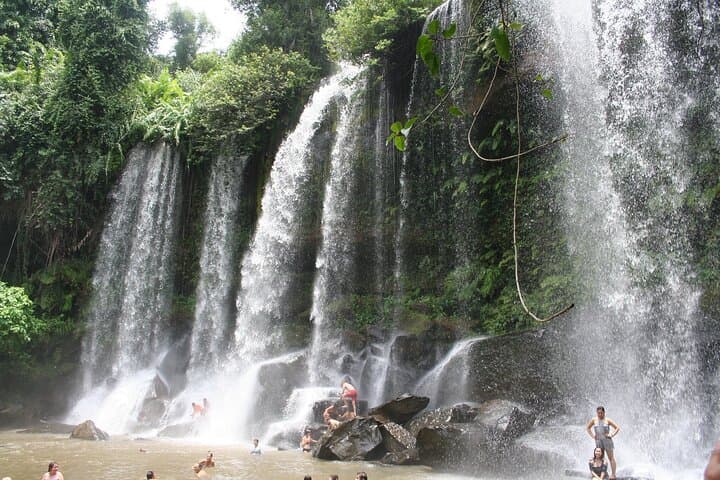
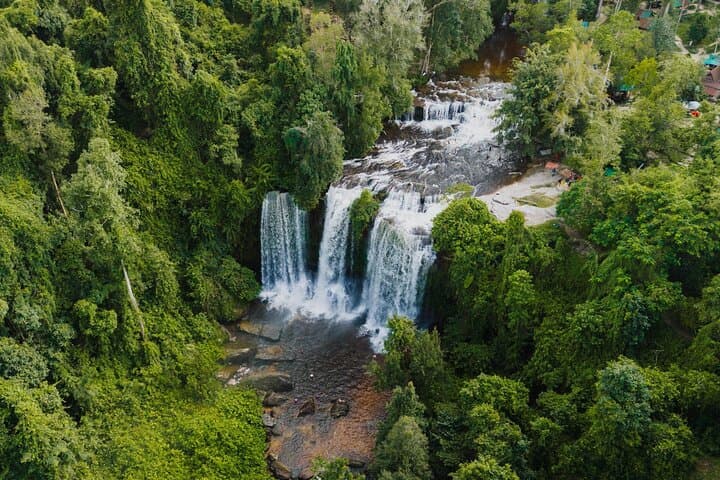
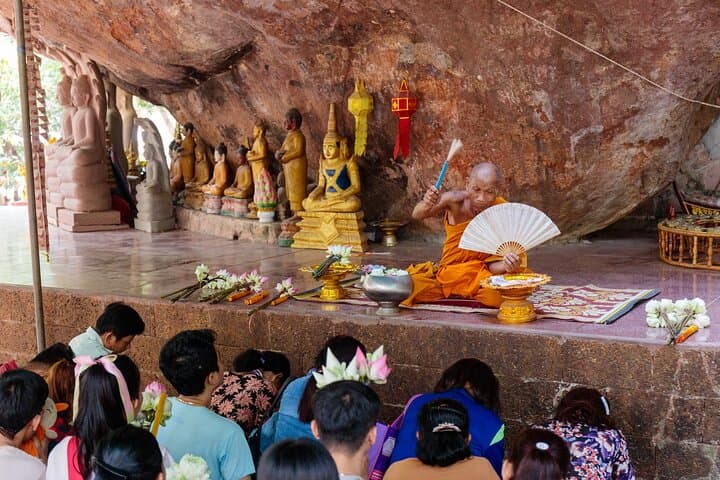
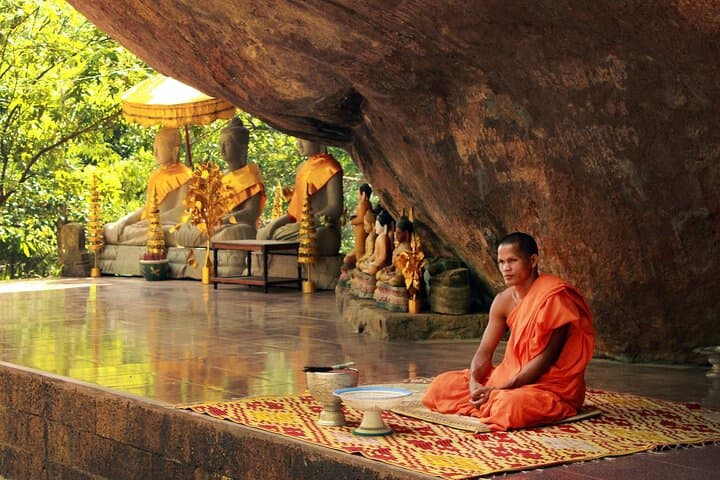
You step out of an air‑conditioned van onto a patch of red earth and immediate humidity—the mountain draws you in with the scent of wet limestone and palm sugar smoke. Ahead, the track drops toward the waterfall; to one side, a river bed hosts neat rows of carved lingas that have kept their silence for more than a millennium. The day on Phnom Kulen moves in chapters: a slow village stop where palm cake is made over open flame, a climb to the reclining Buddha cut from sandstone, a walk beside the carved river, and finally the broad, tumbling Kulen falls where swimmers and local families share shallow pools.
You step out of an air‑conditioned van onto a patch of red earth and immediate humidity—the mountain draws you in with the scent of wet limestone and palm sugar smoke. Ahead, the track drops toward the waterfall; to one side, a river bed hosts neat rows of carved lingas that have kept their silence for more than a millennium. The day on Phnom Kulen moves in chapters: a slow village stop where palm cake is made over open flame, a climb to the reclining Buddha cut from sandstone, a walk beside the carved river, and finally the broad, tumbling Kulen falls where swimmers and local families share shallow pools.
Phnom Kulen is credited as the cradle of the Angkor kingdom and contains stonework from around 800 AD; the Thousand Lingas are a rare example of riverbed reliefs carved for Shiva worship. Geologically the mountain is an uplifted sandstone plateau whose streams have cut clear channels and created the cliff overlooks that frame the canyon below. Local culture remains visible—pagodas, roadside vendors, and rice paddies on the lower slopes.
Plan for variable footing: expect concrete steps at temples, slippery rocks near the falls, and short dirt tracks between sites. Entry fees are collected at park access; the private tour includes pickup from Siem Reap and a bilingual guide option. Bring swimwear, sun protection, insect repellent, and modest clothing for sacred sites. Schedule mornings to beat the heat and crowds; allow a full day (about eight hours) when you include travel time from Siem Reap.